
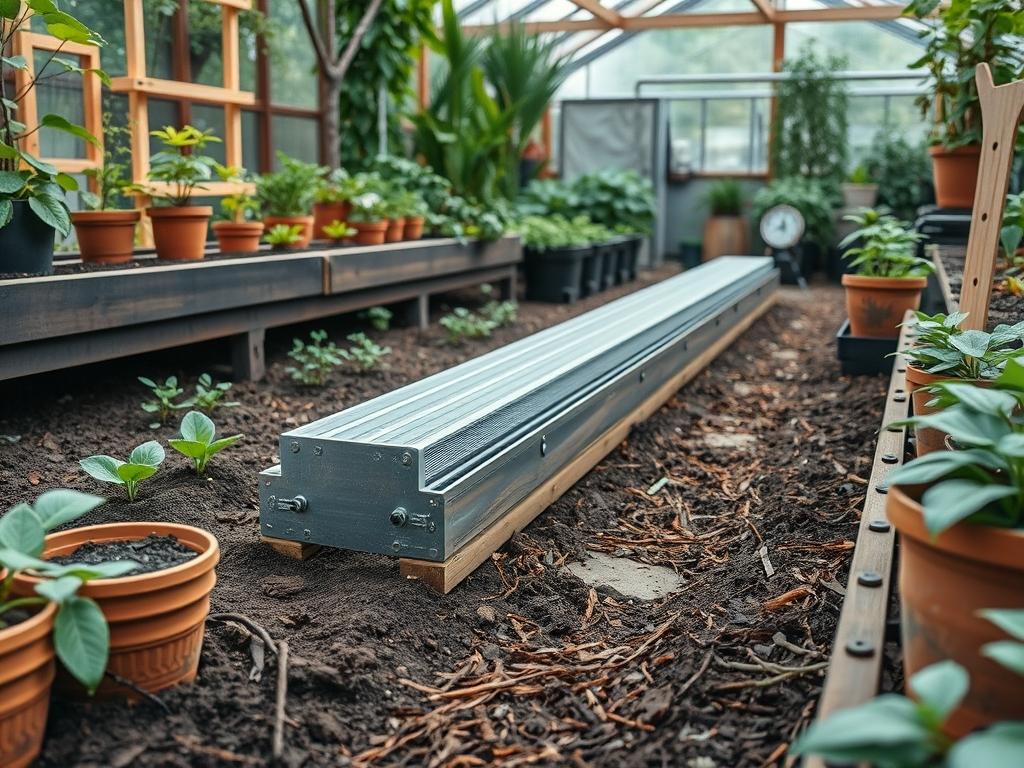
The cohesion between a home’s structural footprint and its surrounding topography defines the success of any professional landscape project. When we design an outdoor environment, we are not merely planting shrubs or laying sod; we are constructing a multi-layered ecosystem that must withstand the rigors of local climate patterns and biological pressure. The deck often serves as the primary transition point between the conditioned interior of the home and the organic complexity of the garden. Because this structure is exposed to the elements, its longevity is predicated on more than just the quality of the visible Decking Boards. The invisible substructure, specifically the Joists and Runners, requires a sophisticated defense strategy. Utilizing Modern Deck Joist Protection is no longer an optional upgrade for the high-end landscape; it is a fundamental requirement for structural integrity. Without a waterproof barrier like Butyl Joist Tape or Flashing Tape, the horizontal surfaces of the wood frame trap moisture, leading to premature rot and costly reconstruction.
A well-conceived landscape plan acknowledges that water is both a life-giving force for Perennials and a destructive agent for wood. As we map out the flow of a backyard, from the Retaining Walls to the Irrigation Zones, we must prioritize the durability of the deck’s skeleton. Most homeowners focus exclusively on the aesthetic appeal of Composite Decking or Exotic Hardwoods like Ipe. However, the true value of a landscape investment lies beneath the surface. When water seeps through the gaps between boards, it sits on top of the Pressure-Treated Lumber. Over time, this moisture penetrates the screw holes and wood grain, causing the timber to soften and lose its load-bearing capacity. By integrating Modern Deck Joist Protection into the initial build phase, we ensure that the deck lasts as long as the Hardscaping surrounding it. This holistic approach prevents the heartbreak of a beautiful garden being torn up ten years later to replace a failing deck frame.
Landscape Design Principles
Effective landscape design relies on the mastery of spatial organization and visual weight. We begin by establishing symmetry or intentional asymmetry, depending on the architectural style of the residence. The deck often acts as the primary focal point, dictating the placement of secondary elements like Stone Walkways or Fire Pits. To create a professional look, we implement elevation layers. This involves using Grading techniques to create depth, where the deck sits at the highest point, transitioning down through Terraced Garden Beds to the lower lawn or patio. This layering creates a sense of movement and provides various vantage points to appreciate the flora.
Visual balance is achieved when the hardscape and softscape work in tandem. If a deck is large and imposing, we soften its edges with Ornamental Grasses or Evergreen Shrubs. We also plan the Irrigation System with surgical precision. Water should be directed away from the house and the deck’s foundation. This is where French Drains and River Rock Swales become essential. While the irrigation keeps the Native Plants thriving, the Modern Deck Joist Protection ensures that any overspray or runoff does not compromise the wooden substructure. The goal is to create a seamless flow where the eye is drawn through the landscape by deliberate pathways and textural contrasts.
Plant and Material Selection
Selecting the right materials and vegetation requires an understanding of microclimates within the yard. The area immediately surrounding a deck often experiences different heat and moisture levels than the rest of the garden. For example, the space beneath a raised deck is often a dry shade environment, whereas the perimeter might receive full sun.
| Plant Type | Sun Exposure | Soil Needs | Water Demand | Growth Speed | Maintenance Level |
| :— | :— | :— | :— | :— | :— |
| Boxwood | Full Sun to Shade | Well-Drained | Moderate | Slow | Medium |
| Lavender | Full Sun | Sandy/Lean | Low | Moderate | Low |
| Hostas | Partial to Full Shade | Rich/Humus | High | Fast | Low |
| Switchgrass | Full Sun | Adaptable | Low | Fast | Very Low |
| Japanese Maple | Partial Sun | Acidic/Moist | Moderate | Slow | Medium |
| Hydrangea | Partial Sun | Rich/Moist | High | Moderate | Medium |
In addition to plants, the choice of Mulch and Aggregates impacts both aesthetics and moisture management. We typically recommend a 3-Inch Layer of Hardwood Mulch to retain moisture for plants while preventing weed growth. Near the base of the deck, however, using Pea Gravel or Crushed Granite can improve drainage and reduce the amount of organic material in contact with the wood posts.
Implementation Strategy
The implementation of a high-end garden starts with meticulous site preparation. We begin by Grading the land to ensure a 2% Slope away from all structures. This prevents hydrostatic pressure from building up against the foundation. Once the grade is established, we mark out the Hardscaping zones. If a deck is part of the plan, the framing occurs after the footings are poured and cured. This is the critical moment for Modern Deck Joist Protection. Before the top boards are installed, we apply UV-Resistant Joist Tape to the top of every Joist and the Ledger Board. This simple step creates a gasket-like seal around every screw, preventing water from entering the wood fibers.
Following the structural work, we install Edging to define the garden beds. This can be made of Steel, Aluminum, or Belgian Block. After the edging is set, we amend the soil with Organic Compost to ensure the Root Balls of our new plants have the nutrients required for establishment. We plant in “drifts” rather than straight lines to mimic natural growth patterns. Finally, the Irrigation Lines are tucked beneath a layer of Landscape Fabric or mulch to keep the system discrete and protected from the sun.
Common Landscaping Failures
The most frequent failure in residential landscaping is poor drainage. When water pools near the deck or at the base of a Retaining Wall, it creates a breeding ground for fungi and accelerates the decay of building materials. Many contractors neglect the top of the joists, assuming that Pressure-Treated Wood is invincible. This is a fallacy; the chemicals prevent insect infestation but do not stop the mechanical breakdown caused by moisture cycles. Modern Deck Joist Protection is the direct solution to this common oversight.
Another failure involves root overcrowding. Homeowners often plant Privacy Hedges too close to the deck or the house. As these plants mature, their roots can heave Pavers or put pressure on the deck’s Concrete Piers. Furthermore, improper spacing leads to poor airflow. Stagnant air around a deck traps humidity, which promotes the growth of mold and mildew on both the boards and the furniture. By providing at least 12 Inches of breathing room between the structure and the nearest shrub, we ensure the longevity of the materials and the health of the plants.
Seasonal Maintenance
A landscape is a living entity that requires consistent stewardship throughout the year. In the Spring, we focus on cleanup and preparation. This includes removing dead perennial stalks, applying a fresh 2-Inch Layer of mulch, and checking the Irrigation Backflow device. It is also the ideal time to inspect the deck for any loose fasteners or signs of winter damage.
During the Summer, the priority shifts to water management. We monitor the Soil Moisture and adjust the Smart Irrigation Controller according to the heat. In Autumn, leaf removal is vital. Wet leaves left on a deck surface can stain the wood or composite material and create a slip hazard. This is also when we plant Bulbs for the following spring. In Winter, we protect sensitive plants with Burlap Wraps and ensure that any snow removal on the deck is done with a Plastic Shovel to avoid scratching the surface. Regular inspections of the substructure, aided by the peace of mind provided by Modern Deck Joist Protection, ensure the deck remains safe for the next season of entertaining.
Professional Landscaping FAQ
How does joist tape improve deck longevity?
Modern Deck Joist Protection, specifically Butyl Tape, creates a waterproof seal on the top of the lumber. This prevents water from rotting the wood where screws penetrate, effectively doubling the lifespan of the frame by keeping the internal fibers dry.
What is the best way to prevent weeds in garden beds?
A combination of Landscape Fabric and at least 3 Inches of organic Mulch is the most effective approach. This suffocates weed seeds while allowing water and nutrients to reach the root systems of your desired plants.
When is the best time to plant native shrubs?
Early Autumn or Spring are the ideal windows. Planting during these cooler periods allows the root systems to establish without the stress of extreme summer heat or frozen winter ground, ensuring a higher survival rate for the vegetation.
Can I install a deck directly on the ground?
No, a deck requires a 6-Inch Minimum clearance for airflow. Without proper ventilation and Modern Deck Joist Protection, the wood will rot rapidly due to ground moisture. Use Concrete Piers to elevate the structure above the soil.
How often should I check my irrigation system?
Perform a full system audit once per Month during the growing season. Check for clogged Nozzles, broken Lateral Lines, and ensure the Rain Sensor is functioning correctly to avoid overwatering and wasting precious water resources.