
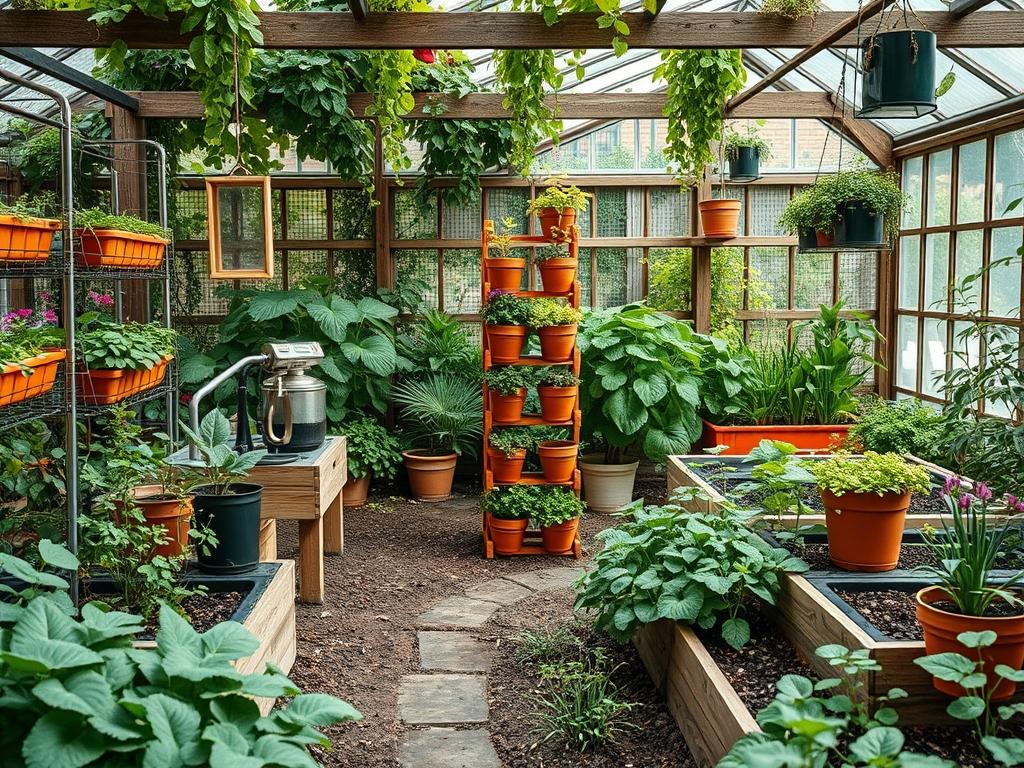
Developing a cohesive vertical landscape requires a shift in perspective from traditional horizontal bedding to a strategy focused on structural elevation. Vertical gardening, specifically through backyard flower tower ideas, solves the modern dilemma of limited square footage while maximizing the visual impact of a residential property. As a landscape architect, I see these structures as more than mere containers; they are sculptural elements that define outdoor rooms and solve site-specific challenges such as unsightly utility boxes or lack of privacy. The integration of a flower tower into a backyard plan increases the vertical density of the greenery, providing a lush aesthetic that ground-level planting often struggles to achieve in its first few seasons. A well-placed tower serves as a waypoint for the eye, drawing the viewer upward and creating a sense of enclosure and intimacy within the garden. This approach is particularly effective in urban environments where concrete dominates, as it introduces a significant volume of organic matter without requiring a large footprint on the ground.
Landscape Design Principles for Verticality
Successful backyard flower tower ideas must adhere to core design principles to remain functional and aesthetically pleasing over time. Symmetry and balance are the foundations of this process. If a tower is placed as a singular focal point, it must possess enough visual weight to command the space. This is often achieved through the “Rule of Three,” where the tower is flanked by smaller ornamental elements or nested within a larger planting bed to soften its transition from the earth. Elevation layers are critical; the tower itself provides the high-tier interest, but its base should be grounded with mid-level shrubs and low-profile groundcovers to prevent it from looking like a detached object in the middle of a lawn.
Irrigation planning is perhaps the most technical aspect of vertical design. Because vertical columns are exposed to wind on all sides, they suffer from higher evaporation rates than traditional beds. Incorporating a hidden drip irrigation system within the core of the tower is a professional standard that ensures long-term viability. Furthermore, the placement of the tower must account for walkways and circulation. A tower should never impede the natural flow of foot traffic but rather act as a guide. Placing towers at the terminus of a stone path or at the corners of a flagstone patio creates a sense of destination. Visual balance also requires considering the color palette. Using monochromatic tones can create a sleek, modern look, while contrasting colors can make the tower feel more like a cottage garden feature.
Plant and Material Selection
Selecting the right biological components for a tower depends on the microclimate of the specific backyard site. The following table highlights common species that thrive in vertical environments.
| Plant Type | Sun Exposure | Soil Needs | Water Demand | Growth Speed | Maintenance Level |
| :— | :— | :— | :— | :— | :— |
| Petunia (Wave Series) | Full Sun | Well-drained, porous | High | Fast | Moderate |
| Mandevilla Vine | Full Sun to Part Shade | Rich, loamy | Medium | Aggressive | Low |
| Silver Falls Dichondra | Full Sun to Part Shade | Sandy, well-drained | Moderate | Fast | Low |
| Begonia (Dragon Wing) | Part Shade to Shade | Humus-rich | Medium | Moderate | Low |
| Lobelia | Part Shade | Consistently moist | High | Moderate | High |
| Calibrachoa | Full Sun | Acidic, well-drained | High | Fast | Moderate |
Implementation Strategy and Layout Planning
The construction of a backyard flower tower starts with a rigorous site analysis. Before any materials are purchased, you must assess the grading of the land. A vertical structure requires a perfectly level base to prevent tipping and to ensure even water distribution. We typically recommend excavating a small area, roughly 4 inches deep, and filling it with crushed gravel or paver base to create a stable foundation. Once the foundation is set, a hardware cloth cylinder or a heavy-duty plastic pillar is established as the frame.
For a professional-grade tower, we use a central 1-half inch PVC pipe with holes drilled at 6-inch intervals. This pipe acts as an internal irrigation manifold, allowing water to reach the center of the root balls rather than just the surface. Around this core, a mixture of potting soil, perlite, and slow-release fertilizer is packed. To prevent soil washout, we line the frame with landscape fabric or sphagnum moss. As you plant, use a utility knife to create small incisions in the fabric, tucking the root balls of your selected annuals or perennials into the holes.
The transition between the tower and the turf is just as important as the tower itself. We recommend using steel edging or tumbled stone to create a clear border around the base. This border should be filled with at least 3 inches of hardwood mulch to retain moisture and suppress weeds. If the tower is part of a larger retaining wall project, ensure the materials match the existing stone or timber to maintain a unified architectural language across the property.
Common Landscaping Failures to Avoid
The most frequent error in vertical gardening is the failure to manage the “perched water table.” In tall containers, gravity pulls water to the bottom, often leaving the top third of the tower bone-dry while the bottom third becomes anaerobic and waterlogged. This is why the internal irrigation manifold mentioned earlier is non-negotiable for towers taller than 3 feet. Another common failure is root overcrowding. Designers often underestimate the mature size of the root systems, leading to a “choking” effect where the plants compete for limited nutrients. Spacing is vital; a 6-inch to 8-inch gap between plants is generally required to allow for lateral growth.
Soil compaction is a silent killer in flower towers. As the water moves through the column, it naturally compresses the soil over the season, which eliminates the air pockets necessary for root respiration. Using a soil-less medium or a high-concentration of vermiculite can help maintain structure. Finally, improper drainage at the base can lead to structural failure. If the base of the tower sits in standing water, the metal or wood frame will eventually succumb to rust or rot. Always ensure the grading slopes away from the tower base at a minimum of a 2-percent incline.
Seasonal Maintenance and Management
Seasonal shifts require a proactive approach to keep vertical structures healthy. In the spring, the focus is on “un-stalling” the soil. This involves refreshing the top 12 inches of the tower with new compost and checking the irrigation lines for mineral clogs. During the summer, the primary task is hydration. On days exceeding 85 degrees, a vertical tower may require watering twice daily. Using a moisture meter is the most accurate way to determine if the core is saturated.
Autumn is the season for transitioning and structural inspection. As annuals begin to fade, they should be removed and composted. This is the ideal time to inspect the galvanized wire or frame for signs of wear. If the tower is a permanent fixture, consider planting native grasses or cold-hardy evergreens to provide winter interest. In colder climates, winter maintenance involves complete drainage of the irrigation system to prevent burst pipes. If the tower is portable, it should be moved to a protected area or wrapped in burlap to protect the internal soil structure from extreme freeze-thaw cycles which can shatter ceramic or thin plastic components.
Professional Landscaping FAQ
What is the best way to prevent a flower tower from tipping over?
Anchor the structure using a pressure-treated 4-by-4 post buried 18 inches into the ground. Connect the tower frame to this post using heavy-duty zip ties or galvanized wire to withstand high winds and the weight of saturated soil.
Can I grow vegetables in a backyard flower tower?
Yes, towers are excellent for strawberries, lettuce, and herbs. Ensure the material used for the frame is food-gradable and BPA-free. These edible crops require at least 6 hours of direct sunlight and consistent nutrient supplementation throughout the growing season.
How often should I fertilize a vertical tower?
Because the frequent watering required for verticality leaches nutrients quickly, use a water-soluble fertilizer every two weeks. Supplement this with a slow-release granular fertilizer mixed into the soil during the initial spring planting phase for long-term support.
Does a flower tower require a specific type of soil?
Standard garden soil is too heavy and compacts easily. Use a high-quality potting mix amended with coconut coir and perlite. This combination ensures the structure remains lightweight while providing the drainage and aeration necessary for vertical root systems.
Can I build a flower tower on a wooden deck?
Yes, but you must account for weight and drainage. A saturated tower can weigh several hundred pounds. Place a heavy-duty plant saucer with wheels underneath to protect the wood from rot and to allow for easy repositioning.