
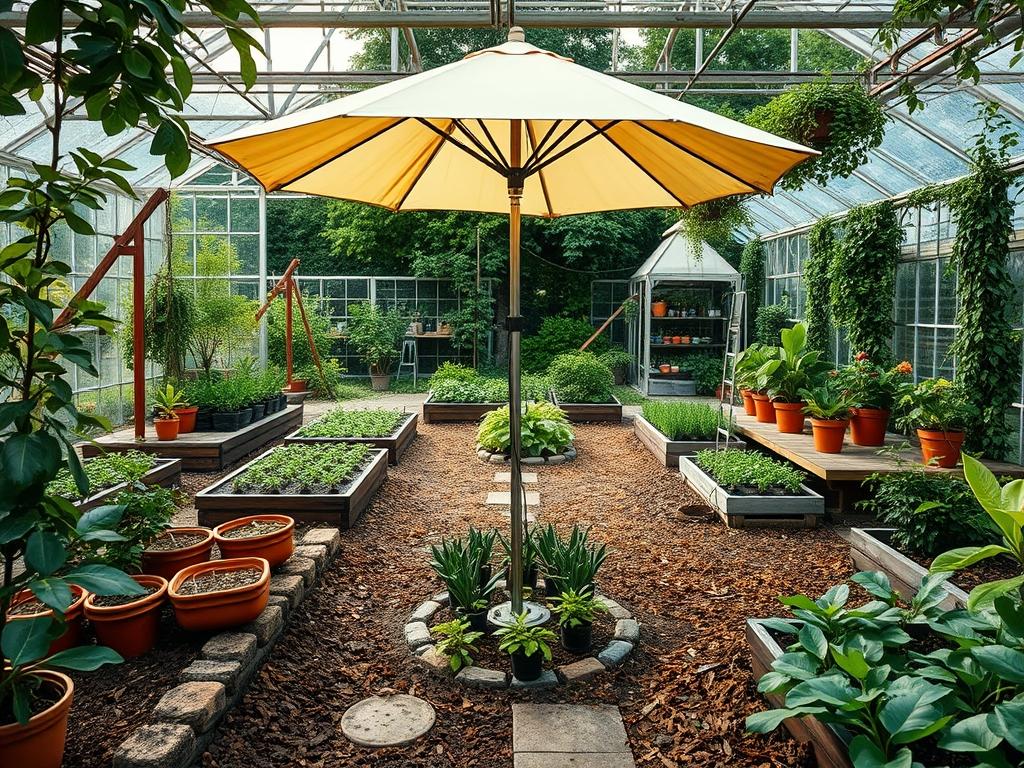
Designing a cohesive outdoor environment requires more than just selecting attractive foliage. It involves orchestrating a balance between structural elements, biological needs, and functional illumination. When homeowners seek to elevate their transition from daylight to dusk, the integration of high quality Solar Umbrella Lighting becomes a pivotal consideration. This lighting serves as a bridge between the rigid architecture of the residence and the fluid organic forms of the garden. A well-planned landscape considers how light interacts with shadow, how it defines borders, and how it facilitates nighttime utility without the need for complex electrical trenching. Achieving the perfect curb appeal and functionality requires a deep understanding of site orientation, climate resilience, and the specific lumen output necessary to navigate a space safely.
The placement of a solar-integrated umbrella is an architectural decision that dictates the flow of movement on a patio or deck. In regions with high solar gain, these fixtures act as passive energy collectors during the day while providing essential shade for heat-sensitive hardscapes. From a consulting perspective, the lighting should not be an afterthought. It should be selected based on the color rendering index to ensure that the surrounding Limestone Pavers or Western Red Cedar decking appear natural under artificial warmth. Selecting the best lighting involves analyzing the battery capacity and the efficiency of the Monocrystalline Solar Panels typically mounted atop the umbrella canopy. These technical specifications directly impact the longevity of the evening ambiance and the overall return on investment for the property owner.
Landscape Design Principles
Symmetry and visual balance are the foundations of any professionally designed outdoor space. When incorporating a large focal point like a cantilever umbrella, the landscape architect must balance its physical mass with surrounding vegetation and hardscape features. If a heavy, 10-foot Offset Umbrella is placed on the left side of a terrace, it should be countered by a vertical plant element or a stone retaining wall on the right to prevent the space from feeling lopsided. This concept of visual weight ensures that the eye moves naturally across the environment rather than stalling on a single heavy object.
Elevation layers play an equally important role in defining the character of a garden. By utilizing tiered plantings, a designer can create a sense of enclosure and privacy. The Solar Umbrella Lighting acts as the highest layer of illumination in this hierarchy, casting soft light downward. To complement this, secondary lighting should be placed at the mid-level, perhaps highlighting the texture of a stacked stone wall, while tertiary path lights define the ground plane. This layering prevents the “stadium light” effect, where a single bright source washes out the intricate details of the plant life and materials.
Walkway planning and irrigation integration must occur simultaneously with the lighting layout. A clear path of travel from the back door to the umbrella-shaded seating area is essential for safety. Using Flagstone or Decomposed Granite for these paths provides a stable surface that reflects the overhead solar light efficiently. Furthermore, the irrigation system must be zoned so that high-moisture areas do not interfere with the base of the umbrella or the integrity of the patio sub-grade. Proper planning ensures that the aesthetic goals of the lighting do not compromise the physiological needs of the surrounding flora.
Plant and Material Selection
Choosing the right biological components to surround a primary seating area involves assessing the microclimate created by the umbrella itself. The following table identifies several species and materials that work harmoniously in a modern landscape design.
| Plant Type | Sun Exposure | Soil Needs | Water Demand | Growth Speed | Maintenance Level |
| :— | :— | :— | :— | :— | :— |
| English Lavender | Full Sun | Well-drained, sandy | Low | Moderate | Low |
| Japanese Boxwood | Part Shade to Sun | Loamy, moist | Moderate | Slow | Medium |
| Creeping Thyme | Full Sun | Gritty, poor soil | Low | Fast | Low |
| Dwarf Fountain Grass | Full Sun | Adaptable | Low to Moderate | Fast | Low |
| Blue Star Creeper | Part Shade | Rich, organic | Medium | Moderate | Medium |
In addition to plant life, material selection for the umbrella and its environment is critical. For the canopy, Solution-Dyed Acrylic Fabric is the industry standard for UV resistance and color fastness. For the structural components, Powder-Coated Aluminum or Teak offer the best durability against the elements. When planning the base, a 100-pound Granite Base or a specialized Steel Bolt-Down Plate ensures stability against wind uplift, which is the primary cause of damage to solar lighting components within the umbrella ribs.
Implementation Strategy
The execution of a garden layout begins with professional grading. Ensuring a 2 percent slope away from the home’s foundation is vital to prevent water pooling under the umbrella area. Once the grade is established, the sub-base for the patio should be excavated to a depth of at least 6 inches, depending on local soil conditions and freeze-thaw cycles. Laying a Non-woven Geotextile Fabric before adding the Crushed Stone Base prevents the migration of fine soil particles into the gravel, which maintains the structural integrity of the hardscape over time.
Once the hardscape is set, the installation of the umbrella and its lighting system should follow. Position the solar collector in a location that receives at least 6 to 8 hours of direct sunlight. If the umbrella is frequently closed during the day, ensure the solar panel is removable or positioned such that it can still harvest energy. Edging the surrounding garden beds with 14-gauge Steel Edging creates a clean, professional line that separates the turf from the mulch. Apply a 3-inch layer of Double-Groand Hardwood Mulch to retain moisture for the new plantings while providing a dark, high-contrast backdrop that makes the warm glow of the Solar Umbrella Lighting pop during the night.
Common Landscaping Failures
One of the most frequent mistakes in residential landscaping is improper drainage. When a patio is installed without a clear exit path for runoff, water can collect in the pockets created by the umbrella base or the heavy furniture. This leads to soil saturation, which can eventually cause the pavers to shift or the umbrella to tilt. To avoid this, architects often integrate Channel Drains or French Drains discreetly into the perimeter of the seating area to whisk away excess precipitation.
Another common failure involves root overcrowding and improper spacing. Homeowners often buy plants based on their size at the nursery rather than their mature dimensions. A Japanese Maple planted three feet from an umbrella will eventually interfere with the canopy’s operation and block the solar panels from receiving light. Likewise, failing to address soil compaction before planting results in poor root respiration and stunted growth. Using a Power Auger or Till to break up the subsoil and incorporating Organic Compost can remediate these issues, ensuring the landscape thrives for decades rather than just a few seasons.
Seasonal Maintenance
Seasonal management is what separates a mediocre garden from a professional landscape. During the spring, the focus should be on cleaning the solar panels with a Microfiber Cloth and mild soap to remove the film of pollen and dust that accumulates. This maximizes charging efficiency for the longer days ahead. Prune any winter damage from the Boxwoods and apply a fresh application of Slow-Release Fertilizer to encourage vigorous growth.
As the heat of summer intensifies, monitor the irrigation system for leaks or clogged emitters. The umbrella provides a cooler microclimate, but the plants at the edge of the shade may experience increased transpiration stress. In the autumn, leaf removal is the priority. Debris trapped in the umbrella canopy can harbor moisture and lead to mold, which may damage the LED strips or the fabric. Finally, in the winter, it is advisable to remove the solar battery and store the umbrella in a Heavy-Duty Protective Cover or indoors. While many systems are weather resistant, extreme cold can degrade the life of Lithium-Ion Batteries and cause the internal wiring to become brittle.
Professional Landscaping FAQ
How many lumens are needed for a dining area?
For a standard outdoor dining table, strive for 200 to 400 lumens. This provides enough light to see food and faces clearly without creating an overwhelming glare that detracts from the natural ambiance of the surrounding garden.
Can solar lighting work in shaded yards?
Solar lighting requires direct UV exposure. If your yard is heavily shaded by large Oak or Maple trees, consider an umbrella with a detachable solar panel that can be mounted on a nearby fence or pole in a sunnier location.
What is the best way to clean stone pavers?
Use a Pressure Washer on a low setting or a stiff brush with a specialized stone cleaner. Avoid acidic solutions on Limestone or Travertine, as these chemicals can etch the surface and permanently damage the material’s natural finish.
How deep should my mulch be?
A depth of 3 inches is ideal for most gardens. This thickness effectively suppresses weed growth and retains soil moisture without suffocating the root systems of your plants or creating a habitat for wood-boring insects near your home’s foundation.
Is it necessary to use a professional base?
Yes, especially for large umbrellas with integrated electronics. A weighted base prevents the structure from tipping during sudden gusts, protecting the solar panels and LED components from impact damage that could occur if the unit falls onto hard pavers.