
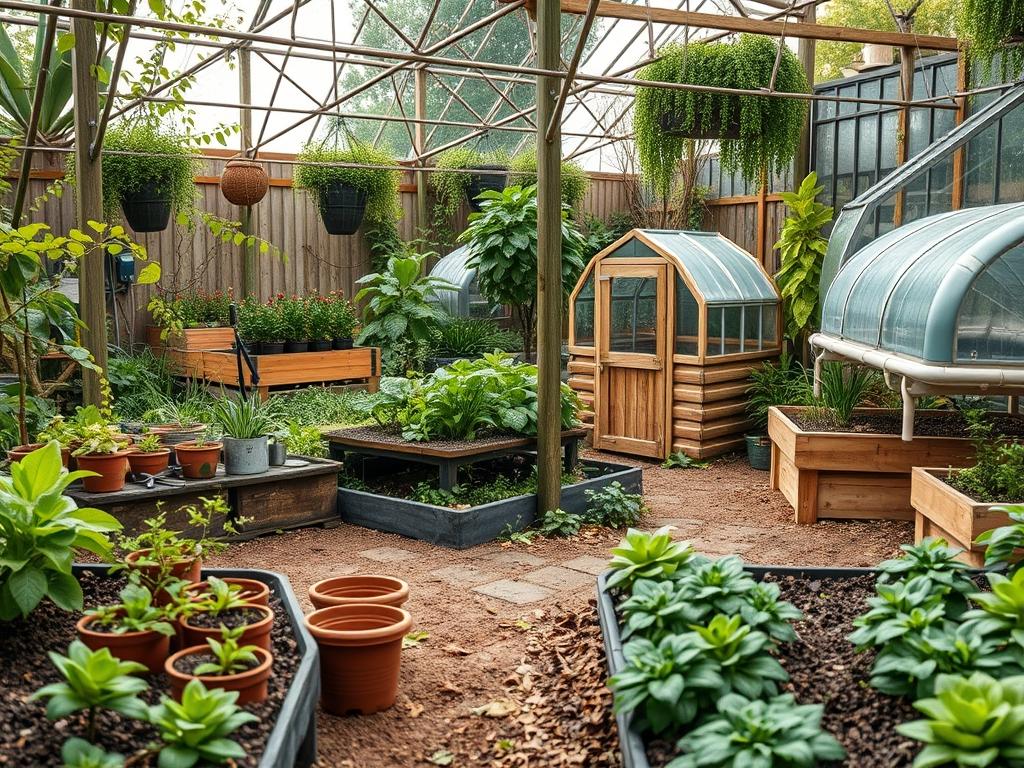
Creating a sophisticated outdoor environment requires a delicate balance between human aesthetics and biological necessity. As landscape architects, we no longer view a yard merely as a manicured extension of the home interior. Modern designs must solve the critical challenge of habitat fragmentation while maintaining the high-grade curb appeal expected in professional property management. Incorporating Backyard Wildlife Shelters into a cohesive master plan involves more than just placing a nesting box on a tree. It requires a deep understanding of site topography, microclimates, and the specific needs of local fauna. The goal is to create an ecological corridor that looks intentional, architectural, and luxurious. By treating habitat as a design feature rather than an afterthought, we can transform traditional lawns into high-functioning ecosystems that manage stormwater, cool the local air, and provide vital refuge for diverse species.
Successful integration of these shelters starts with a thorough climate assessment. We must consider prevailing wind directions, seasonal sun paths, and the existing drainage patterns of the property. A poorly placed shelter will remain vacant if it is exposed to harsh northwesterly winter winds or if it sits in a low-point that collects stagnant water. Every design choice, from the height of a Retaining Wall to the depth of a gravel transition, impacts how wildlife interacts with the space. For the modern homeowner, these features must be clean and structured. We use crisp lines and high-quality materials to ensure that a brush pile or a rock hibernaculum looks like a conscious sculptural element rather than a neglected corner of the garden.
Landscape Design Principles
The architecture of a habitat-focused garden relies on the same core principles as any high-end landscape project. Symmetry and visual balance provide the framework. We often utilize formal structural elements, such as a Steel or Stone perimeter, to frame more organic, wilder interior zones. This “frame and fill” approach allows for the inclusion of dense Backyard Wildlife Shelters in a way that feels organized to the human eye. Focal points are equally crucial. A large, weathered Oak log or a carefully stacked stone cairn serves both as a visual anchor and a multi-level residence for beneficial insects and small mammals.
Elevation layers are perhaps the most important architectural consideration for wildlife. A professional plan incorporates the five distinct layers of a forest edge: the canopy, understory, shrub layer, herbaceous layer, and the rhizosphere. By varying the height of the plantings, we create vertical complexity. This allows different species to occupy the same square footage at different heights, maximizing the ecological density of the property. Irrigation planning must be subterranean or drip-based to maintain these layers without wasting water. We design walkways using permeable materials like Crushed Granite or Decomposed Granite to allow water to reach the root zones and to provide dry paths for both humans and ground-dwelling animals moving between shelter zones.
Plant and Material Selection
| Plant Type | Sun Exposure | Soil Needs | Water Demand | Growth Speed | Maintenance Level |
| :— | :— | :— | :— | :— | :— |
| White Oak | Full Sun | Deep, Well-drained | Moderate | Slow | Low |
| Serviceberry | Full to Part Sun | Acidic, Moist | Medium | Moderate | Medium |
| Switchgrass | Full Sun | Varied, Tolerate Clay | Low | Fast | Minimal |
| Purple Coneflower | Full Sun | Lean, Well-drained | Low | Moderate | Low |
| Spicebush | Part Shade | Rich, Moist | Medium | Moderate | Low |
| Red-osier Dogwood | Full to Part Sun | Wet, Boggy | High | Fast | Medium |
Implementation Strategy
The successful construction of Backyard Wildlife Shelters follows a rigorous technical workflow. We begin with site grading to ensure that the foundation of the shelter sits on a slight elevation or a well-drained substrate. Surface water must always move away from the core of the shelter to prevent rot and fungal issues. For a subterranean shelter, such as a toad abode or a bumblebee burrow, we excavate a pit roughly 24 inches deep. We fill the base with Coarse Gravel for drainage before layering logs and stones.
Once the grading is established, we implement hardscaping. Using Fieldstone or River Rock, we create structural voids. These gaps should vary in size, ranging from 1 inch to 4 inches in diameter, to accommodate different species. Edging is then installed to define the boundary between the “wild” shelter and the “formal” areas of the yard. We prefer Cortan Steel or Aluminium Edging for a modern, slim profile.
Following the structural phase, we apply mulch. A professional-grade application requires a depth of exactly 3 inches of aged hardwood mulch. This depth is critical; it is enough to suppress weeds and retain moisture, but not so deep that it creates anaerobic conditions for the soil microbes. Finally, we integrate the plantings around the shelter to provide “soft landings” for birds and insects moving from the canopy to the ground. Every plant is spaced according to its mature width to avoid overcrowding and to allow for proper air circulation, which is the best defense against powdery mildew and other garden pathogens.
Common Landscaping Failures
The most frequent mistake in designing Backyard Wildlife Shelters is the neglect of drainage. When a shelter is placed in a poorly graded area, it becomes a trap for water during heavy rain events. This leads to the drowning of overwintering insects and the decay of the structural wood components. Another common failure is soil compaction. During the construction of a home or a major garden renovation, heavy machinery often crushes the soil structure. Compacted soil lacks the pore space necessary for air and water to reach roots, resulting in stunted plant growth and a lack of burrowing opportunities for wildlife.
Root overcrowding is a frequent issue in suburban landscapes. Homeowners often plant for immediate impact, placing shrubs and trees too close together. As these plants mature, they compete for limited nutrients and water, leading to a high mortality rate. In the context of wildlife shelters, this density can also prevent larger birds or mammals from navigating the space effectively. Irrigation inefficiencies also pose a threat. Over-watering can be just as damaging as underwatering. Constant moisture in a shelter can lead to the growth of harmful bacteria and fungi that may affect the health of the visitors we are trying to protect.
Seasonal Maintenance
Spring maintenance focuses on cleanup and assessment. We recommend waiting until temperatures are consistently above 50 degrees Fahrenheit before removing any dead stalks or hollow stems, as many beneficial insects hibernate within them. This is the time to check the structural integrity of your Backyard Wildlife Shelters and replace any rotted elements.
During the summer, the priority shifts to irrigation management. We use a Soil Moisture Meter to ensure the mulch layers stay hydrated but not saturated. We also monitor for invasive species that might try to choke out the native habitat plants. Autumn is the season for “lazy” gardening, which is actually a strategic choice. We leave the leaf litter on the ground to provide a natural insulation layer for the soil and its inhabitants. We avoid using leaf blowers, which can disturb the delicate layers of the ecosystem.
Winter is the time for structural observation. With the foliage gone, the “bones” of the landscape are visible. It is an excellent time to plan new elevations or to place additional Stone focal points. We must ensure that water sources, if provided, do not freeze solid, and that the shelters remain stable under the weight of potential snow loads.
Professional Landscaping FAQ
How large should a backyard wildlife shelter be?
The size depends on the target species. A diverse habitat usually requires a minimum of 25 square feet of dedicated, undisturbed space to be effective. Smaller, modular shelters like insect hotels can be integrated into existing walls.
Will these shelters attract unwanted pests like rodents?
A balanced ecosystem naturally manages populations. By providing habitat for hawks, owls, and snakes, you create a predatory cycle that keeps rodent populations in check. Strategic placement away from the home foundation is also recommended.
Can I build a shelter in a small urban yard?
Yes. Verticality is key in urban environments. Using Trellises or living walls allows you to provide nesting spots and food sources without sacrificing functional patio or lawn space.
What is the best mulch for a wildlife-friendly garden?
Choose untreated, aged hardwood mulch or pine bark. Avoid dyed mulches or those containing synthetic chemicals, as these can be toxic to ground-dwelling insects and the birds that eat them.
How do I maintain curb appeal with a brush pile?
Use a formal border. Enclosing a brush pile within a stone or timber frame turns a messy stack into a deliberate architectural feature. This signals to neighbors that the area is an intentional part of the design.