
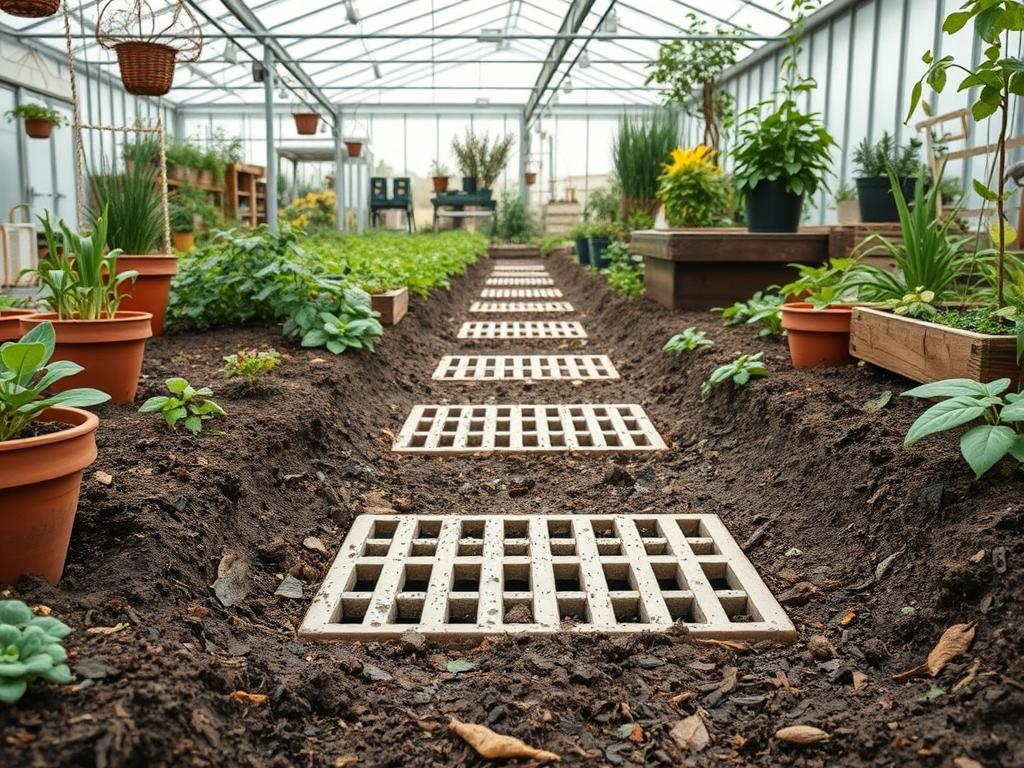
Managing the movement of surface water is arguably the most critical component of a sustainable landscape design. While homeowners often focus on the aesthetic beauty of lush turf and vibrant flower beds, the underlying civil engineering of the site dictates whether those elements will survive the next major storm event. Water is an unrelenting force; if it is not given a clear and efficient path to exit the property, it will create its own. This leads to soil erosion, foundation damage, and the localized flooding of hardscaped areas. Integrating high quality Backyard Drainage Grates into a comprehensive site plan ensures that your outdoor living space remains functional and preserves the structural integrity of your home. A professional approach to drainage does not treat water as an afterthough. Instead, it utilizes elevation changes and strategic collection points to move runoff away from high traffic zones. This creates a balance between man made structures and the natural environment, enhancing curb appeal while safeguarding the investment against the unpredictable nature of regional climates.
Landscape Design Principles
Successful landscape architecture relies on the seamless marriage of form and function. When planning a site, we look first at the topography to determine how gravity will influence water movement. Symmetry and focal points are not just visual cues; they help define the organization of the space. For example, a symmetrical pair of Retaining Walls can serve as an elegant backdrop for a patio while simultaneously holding back significant earth pressure and directing water toward a collection point. Visual balance is achieved by layering various heights, from low lying groundcovers to towering Oak Trees, which helps soften the transition between the rigid lines of the house and the organic shapes of the garden.
Elevation layers allow for a tiered approach to irrigation and runoff management. Low spots in the yard are natural candidates for the installation of Backyard Drainage Grates housed within Catch Basins. By identifying these collection zones early in the design phase, we can incorporate them into the layout of walkways and patios. A well placed Channel Drain along the edge of a pool deck or a slate walkway prevents hazardous puddling and keeps the surface safe for residents. Transitioning from hardscapes to softscapes requires a careful hand to ensure that mulch does not wash away during heavy downpours. By utilizing Edging Materials like Steel Edging or Paver Borders, we create clear definitions that keep decorative elements in place while guiding water toward the subterranean drainage network.
Plant and Material Selection
Choosing the right biological and structural components is essential for a landscape that can handle varying moisture levels. The following table outlines several species and materials that are commonly utilized in professional installations where drainage and structural integrity are priorities.
| Plant or Material Type | Sun Exposure | Soil Needs | Water Demand | Growth Speed | Maintenance Level |
| :— | :— | :— | :— | :— | :— |
| River Birch | Full Sun to Part Shade | Moist, Acidic | High | Fast | Medium |
| Sedge (Carex) | Part Shade to Shade | Diverse | Moderate to High | Moderate | Low |
| Pachysandra | Shade | Well Drained | Moderate | Slow to Moderate | Low |
| River Rock | N/A | Variable | N/A | N/A | Very Low |
| Coneflower | Full Sun | Well Drained | Low | Moderate | Low |
| Boxwood | Full Sun to Part Shade | Loamy, Well Drained | Moderate | Slow | Medium |
In areas surrounding Backyard Drainage Grates, it is often wise to use River Rock or Pea Gravel rather than light bark mulch. These heavier materials resist being swept into the grates, which prevents clogs in the 4-inch Corrugated Pipe buried beneath the surface. For the grates themselves, we typically specify Cast Iron for high traffic areas or High Density Polyethylene (HDPE) for residential lawn applications where a more discreet look is desired.
Implementation Strategy
The execution of a drainage and landscaping plan begins with a survey of the existing grade. We aim for a minimum of a 2 percent slope away from the home foundation. This ensures that the primary force moving water is gravity. Once the grading is established, we mark the locations for the Backyard Drainage Grates. These are usually placed in the lowest points of the lawn or at the base of slopes where water historically collects.
Trenching is the next step. Using a Trencher or a Round Point Shovel, we dig paths for the PVC Pipe or flexible tubing. The trenches should be deep enough to allow for a bed of Crushed Stone under the pipe, providing a stable foundation and aiding in secondary percolation. After the pipes are connected to the Catch Basins, the Backyard Drainage Grates are snapped or screwed into place. It is vital to set the height of the grate slightly below the surrounding soil or turf level, roughly 0.5 inches, to allow water to flow into the unit rather than around it.
Finally, the hardscaping and softscaping are installed around the drainage infrastructure. This involves laying down Landscape Fabric to prevent weed growth, followed by a 3-inch layer of mulch or stone. When we plant near drainage lines, we select species with non invasive root systems to ensure that the pipes remain clear of obstructions over time. Hand Tamps or Plate Compactors are used to firm the soil around any new installations, preventing future settling that could decouple the pipe joints.
Common Landscaping Failures
The most frequent mistake in residential landscapes is the failure to account for water volume. A single 12-inch by 12-inch Catch Basin may be sufficient for a small patio, but a large sloping backyard might require a series of interconnected Backyard Drainage Grates to handle the sheer cubic footage of runoff. Underestimating this volume often results in “blowouts” where water bypasses the system entirely and carves deep gullies into the lawn.
Another common pitfall is soil compaction. During construction, the use of heavy machinery can compress the soil to the point where it becomes nearly as impermeable as concrete. Without proper aeration or the addition of organic matter to restore pore space, water will sit on the surface even if you have a drainage system nearby. Furthermore, ignore the “root factor” at your peril. Planting a high water demand tree, such as a Willow, directly over a drainage line will inevitably lead to root intrusion. The roots will find the smallest seam in the pipe to access the water inside, eventually filling the entire diameter of the pipe and rendering the system useless.
Seasonal Maintenance
A professional landscape requires consistent oversight to perform at its peak. In the Spring, the primary focus is clearing the debris that accumulated over the winter. This is the time to remove the lids of your Backyard Drainage Grates and reach inside the Catch Basins to scoop out any silt or decayed leaves. Checking for “frost heave” is also necessary, as frozen soil can sometimes push pipes or grates out of their intended alignment.
During the Summer, irrigation efficiency is the priority. Ensure that your Sprinkler Heads are not spraying directly into the drainage grates, which wastes water and can cause unnecessary wear. As the Autumn leaves begin to fall, daily or weekly clearing of the grates is required. A single layer of wet leaves can act like a seal over a drainage grate, causing the very flooding the system was designed to prevent. Finally, in Winter, ensure that snow is not piled on top of the grates. If a mid winter thaw occurs, the melted snow needs a clear path to the drainage system to prevent ice dams from forming on your lawn or walkways.
Professional Landscaping FAQ
What is the best material for backyard drainage grates?
For residential foot traffic and lawn mowers, high-density polyethylene is excellent due to its corrosion resistance. For driveways or areas with heavy equipment, cast iron or reinforced steel provides the necessary load-bearing strength to prevent cracking under pressure.
How do I hide a drainage grate in my garden?
You can use atrium grates, which are domed and sit slightly higher, allowing them to be tucked among ornamental grasses or river rock. Selecting a grate color that matches your mulch or stone also provides significant visual camouflage.
How often should I clean my drainage system?
Perform a thorough inspection and cleaning twice a year, specifically in late Spring and late Autumn. If you live in a heavily wooded area, you may need to clear surface debris from the grates after every major rainstorm.
Can I connect my downspouts to the same system?
Yes, connecting downspouts directly to the underground drainage line is highly effective. Ensure the pipe diameter, typically 4-inch Schedule 40 PVC, is large enough to handle the combined volume of the roof runoff and the surface water.
Why is water still pooling around my grate?
Pooling usually indicates that the grate is set too high or the basin is full of sediment. If the grate is clear, the underground pipe may have a clog or insufficient slope, preventing the water from escaping the basin quickly.