
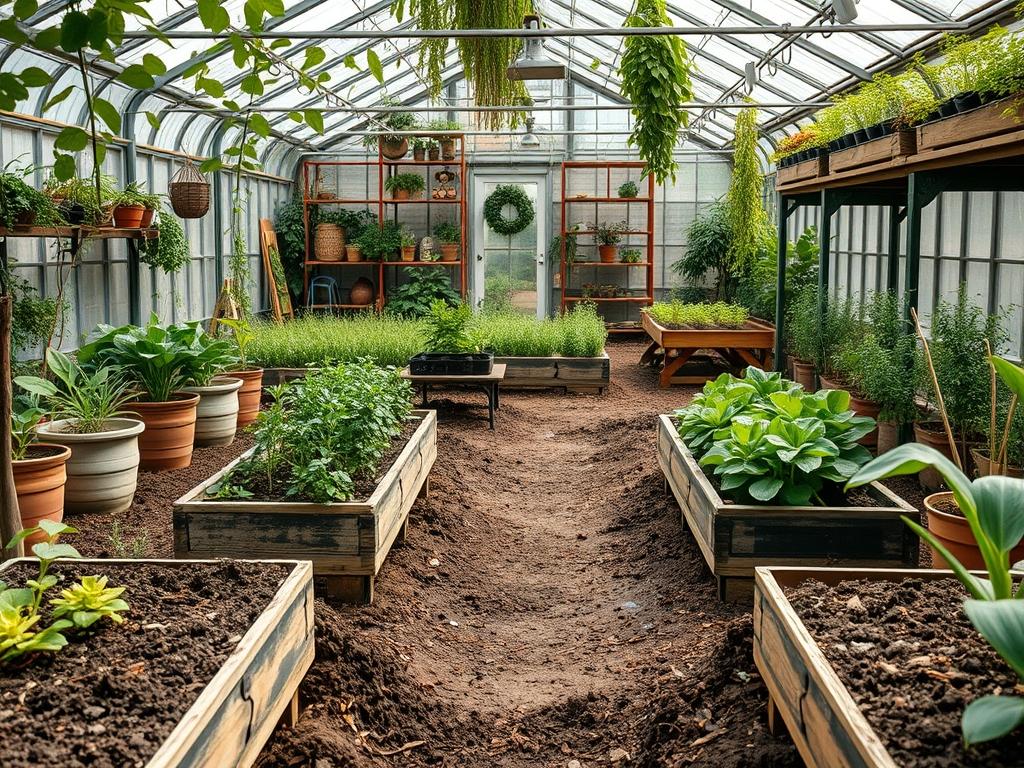
Integrating a structural glass element into a residential landscape requires more than just a level patch of dirt and a few bags of potting soil. A greenhouse represents a significant architectural investment that bridges the gap between the controlled interior environment and the wilder, seasonal cycles of the yard. When selecting among various backyard greenhouse styles, homeowners must evaluate how the structure interacts with existing site conditions, including wind patterns, solar orientation, and the overarching aesthetic of the primary residence. Modern landscaping challenges often revolve around maximizing utility without sacrificing visual harmony. A well placed greenhouse should not look like an afterthought. Instead, it should serve as a functional anchor that enhances curb appeal while providing a sanctuary for delicate cultivars. Success in this endeavor hinges on a deep understanding of site grading, drainage, and the thoughtful application of hardscaping materials that withstand heavy foot traffic and moisture.
The functionality of your outdoor space is dictated by how easily you can move between zones. For a greenhouse to be effective, it must be accessible during inclement weather, meaning the surrounding landscape must be reinforced with durable walkways. Whether you choose a classic Victorian style with ornate metalwork or a sleek, minimalist Scandinavian design featuring cedar and glass, the surrounding environment acts as the frame for the portrait. Planning for irrigation and electrical connectivity during the initial design phase prevents costly retrofitting later. By considering the greenhouse as part of a holistic ecosystem, you can create a productive haven that remains beautiful year round, regardless of the temperature outside.
Landscape Design Principles
A professional landscape architect approaches the integration of backyard greenhouse styles through the lens of symmetry and focal points. If the greenhouse is the primary attraction, it should be positioned where sightlines from the main house are clear and inviting. Using elevation to your advantage is crucial. A greenhouse set on a slightly elevated masonry plinth or a reinforced retaining wall not only prevents water from pooling around the foundation but also adds a sense of grandeur to the structure. This elevation creates natural layers in the garden, allowing for tiered plantings that lead the eye upward to the peak of the glass roof.
Visual balance is achieved by mirroring the proportions of the greenhouse with surrounding elements. For instance, a tall, peaked structure is complemented by vertical evergreens or slender trellises on the periphery. Conversely, a lower profile lean-to style greenhouse benefits from horizontal garden beds and wide, sweeping paths. Irrigation planning must extend beyond the interior benches. Surrounding the exterior with drip lines ensures that the foundation plantings remain vibrant without over-saturating the soil near the greenhouse base. Utilizing hardscaping materials like decomposed granite, slate flagstone, or tumbled brick provides a stable surface for wheelbarrows and heavy ceramic pots while allowing for some water permeability.
Plant and Material Selection
The choice of vegetation surrounding different backyard greenhouse styles should be dictated by their ability to thrive in the microclimate created by the structure itself. The glass or polycarbonate walls will reflect heat, meaning plants on the southern side of the greenhouse must be heat tolerant. Conversely, the shadow cast by the structure may create a cooler, damp zone on the northern side.
| Plant Type | Sun Exposure | Soil Needs | Water Demand | Growth Speed | Maintenance Level |
| :— | :— | :— | :— | :— | :— |
| Dwarf English Boxwood | Full to Part Sun | Well-drained | Moderate | Slow | Low |
| Lavender | Full Sun | Sandy/Rocky | Low | Medium | Medium |
| Japanese Maple | Part Shade | Rich/Acidic | High | Slow | Medium |
| Creeping Thyme | Full Sun | Average | Low | Fast | Low |
| Climbing Roses | Full Sun | Loamy/Rich | High | Fast | High |
| Blue Star Juniper | Full Sun | Drought-tolerant | Low | Slow | Low |
Materials for the surrounding hardscape should be selected for durability. Pressure-treated timber or redwood is excellent for raised beds, while powder-coated steel edging provides a crisp line between paths and planting zones. Use landscape fabric beneath any gravel paths to prevent weed intrusion, and ensure that river rock or pea gravel is used in areas where high drainage is required.
Implementation Strategy
The first step in any backyard or garden layout planning is a thorough assessment of grading. You must ensure that the site for the greenhouse is perfectly level, or slightly sloped away from the structure to prevent foundation rot. Use a laser level and marking stakes to define the perimeter. Once the site is prepared, focus on the drainage system. Installing a French drain around the perimeter of the greenhouse footprint is a professional standard that directs heavy rainwater away from the site, protecting both the structure and the root systems of nearby plants.
After the foundation or base is set, the transition to hardscaping begins. Lay down a compacted road base or crushed stone before placing your final decorative stones or pavers; this prevents settling and shifting over time. For the planting zones, aim for a mulch depth of at least three inches. Using organic cedar mulch or pine bark helps retain moisture and regulates soil temperature near the greenhouse. Edging should be installed with at least two inches of depth buried below the surface to prevent grass and weeds from creeping into your ornamental beds. Finally, install your low-voltage lighting along the walkways to ensure the greenhouse remains a safe and visible feature after sunset.
Common Landscaping Failures
One of the most frequent mistakes in backyard greenhouse styles integration is poor drainage management. Water runoff from a large glass roof can quickly erode soil and drown nearby plants if no gutter system or splash blocks are in place. Without a clear path for water to exit the area, the soil can become anaerobic, leading to root rot and fungal issues. Another common error is root overcrowding. Homeowners often plant fast growing shrubs too close to the greenhouse walls. Within a few years, those roots can exert pressure on the structure foundation, and the branches may scratch or break the glass panes during high winds.
Improper spacing and a lack of consideration for mature plant height often lead to sun blockage. If a greenhouse is shaded by large canopy trees for more than four hours a day during the growing season, its efficiency drops significantly. Furthermore, soil compaction caused by heavy equipment during the construction phase can prevent proper water infiltration. Aerating the ground and amending it with compost or perlite before planting is essential for long term plant health. Lastly, many neglect irrigation inefficiencies. Combining the greenhouse water needs with the rest of the lawn can result in overwatering. The greenhouse area should be on its own dedicated zone with its own shut-off valve.
Seasonal Maintenance
Landscape management is a year round commitment that changes with the light and temperature. In the spring, the focus is on cleaning the glazing of the greenhouse to remove winter grime and maximize light penetration. This is also the time to prune back any dormant perennials and refresh the mulch in the surrounding beds. Verify that all irrigation emitters are clear of debris and functioning properly before the heat of summer arrives.
During the summer, the priority shifts to heat mitigation. Utilizing shade cloth on the greenhouse exterior can help, but from a landscaping perspective, ensuring that the ground around the structure remains cool is key. Regular weeding and maintaining consistent moisture in the raised beds will prevent the area from looking derelict. In the autumn, clear away fallen leaves that can trap moisture against the base of the greenhouse. This is the ideal time to plant spring blooming bulbs around the perimeter for a burst of color in the early season. Finally, in the winter, ensure that heavy snow is cleared from the roof to prevent structural fatigue and check that retaining walls are not shifting due to the freeze-thaw cycle of the soil.
Professional Landscaping FAQ
What is the best foundation for most backyard greenhouse styles?
A concrete slab or a perimeter of trench footings with a compacted gravel center is ideal. This combination provides a level surface, allows for drainage, and supports the weight of the frame without shifting.
How do I prevent my greenhouse from overheating in summer?
Beyond internal fans, use exterior landscaping. Planting deciduous trees at a safe distance on the south side provides summer shade while allowing winter sun to pass through bare branches. Use reflective mulch to bounce heat.
What are the best materials for greenhouse walkways?
Use non-slip pavers or porous gravel. These materials allow water to drain away while providing a stable surface for traffic. Avoid smooth tiles that become slippery when wet from hose use or rain.
Which plants should I avoid near the greenhouse structure?
Avoid willows or poplars due to their aggressive, water-seeking root systems. Also, stay away from trees that drop heavy sap or large fruit, as these can stain or damage the glazing over time.
Do I need a permit for a backyard greenhouse?
Permit requirements vary by municipality and structure size. Generally, any greenhouse with permanent plumbing or electrical wiring will require a permit. Always check local zoning laws regarding setback requirements from property lines before starting construction.