
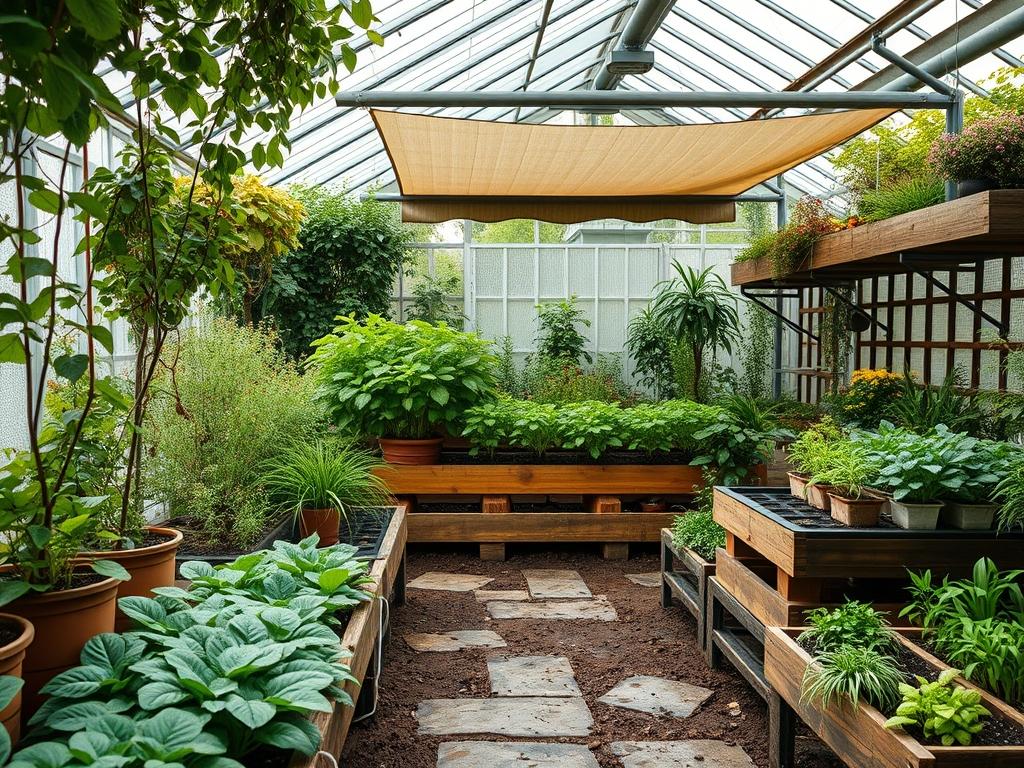
The integration of Modern Patio Awning Styles into a cohesive landscape design represents more than a simple desire for shade. It is a sophisticated architectural decision that dictates how a transition zone between the interior and exterior functions. When a homeowner or developer evaluates these structures, they must consider the site microclimate, the prevailing wind patterns, and the existing sightlines of the property. A poorly placed awning can obstruct valuable views or create wind tunnels, whereas a strategically selected retractable or fixed system enhances the structural rhythm of the home. This choice directly impacts curb appeal and property value because it defines the outdoor room as a permanent, functional extension of the living space. Achieving a balance between the rigid lines of modern shade structures and the soft, organic forms of a well planned garden requires a nuanced understanding of environmental stressors and spatial proportions.
Landscape Design Principles
Successful outdoor environments rely on the core principles of symmetry and visual balance to guide the eye through the space. When installing Modern Patio Awning Styles, the structure often serves as the primary focal point of the backyard. This requires the surrounding landscape to support, rather than compete with, the architectural footprint. Symmetry can be achieved by mirroring plantings on either side of the patio area, using Boxwood or Arborvitae to create a formal frame. Elevation layers are equally critical; the transition from the height of the awning down to the ground level should be gradual. Using Retaining Walls to create tiered planting beds allows for a cascading effect that softens the transition from a high ceiling structure to the lawn.
Walkway placement must prioritize flow and accessibility. A Decomposed Granite or Flagstone path should lead logically from the house, under the awning, and out into the broader garden. This ensures that the shaded area remains the hub of activity. Irrigation planning must also account for the awning footprint. Since a fixed or extended awning prevents rainfall from reaching the ground directly beneath it, a dedicated Drip Irrigation System is necessary for any perimeter plantings. This prevents “dry zones” that commonly occur near building foundations and under overhead structures, ensuring that the visual balance of lush greenery is maintained year round.
Plant and Material Selection
The following table identifies plants that complement the clean lines of modern structures while thriving in the specific conditions often found near patios and hardscaped areas.
| Plant Type | Sun Exposure | Soil Needs | Water Demand | Growth Speed | Maintenance Level |
| :— | :— | :— | :— | :— | :— |
| Pachysandra | Shade to Part Sun | Rich, Acidic | Medium | Moderate | Low |
| Japanese Maple | Filtered Sun | Well-Drained | Consistent | Slow | Moderate |
| Lavender | Full Sun | Sandy, Gritty | Low | Moderate | Low |
| Blue Oat Grass | Full Sun | Lean, Dry | Low | Moderate | Minimal |
| Hydrangea | Part Shade | Moist, Loamy | High | Fast | Moderate |
| Star Jasmine | Full Sun to Part Shade | Versatile | Medium | Fast | High (Pruning) |
In addition to plant life, the material palette should remain consistent with Modern Patio Awning Styles. If the awning features Powder-Coated Aluminum in charcoal or bronze, the hardscaping should utilize Basalt Pavers or Poured Concrete to echo those tones. Using River Rock or Pea Gravel in drainage swales provides a textural contrast to the smooth surfaces of the awning fabric and the patio floor.
Implementation Strategy
Building a garden around a modern shade structure requires a tactical approach to site preparation. The first step involves Grading the area to ensure a 2 Percent Slope away from the home foundation and the awning support posts. This prevents water from pooling under the structure, which can lead to mold or structural instability. Once the grade is established, the layout for Hardscaping is marked using Stake and String or Marking Paint to define the edges of patios and walkways.
After the heavy construction of the awning and patio is complete, Edging should be installed to create clean borders between the turf and the planting beds. A 4 Inch Depth of Hardwood Mulch is recommended for all new garden beds to retain moisture and suppress weeds. When planting, homeowners should ensure that the Root Ball of each specimen is level with the surrounding soil to prevent stem rot. For drainage, a French Drain may be integrated into the perimeter of the patio if the soil has a high clay content, ensuring that runoff from the awning surface is managed effectively without eroding the landscape.
Common Landscaping Failures
One of the most frequent mistakes in professional landscaping is the failure to account for root overcrowding. Planting large trees too close to the Concrete Footings of an awning can lead to root heave, eventually cracking the patio or tilting the support columns. Similarly, improper spacing of shrubs often results in a congested mass that lacks airflow, inviting fungal diseases. Another critical failure is soil compaction. During the installation of Modern Patio Awning Styles, heavy machinery often packs the earth so tightly that oxygen can no longer reach plant roots. It is vital to till the soil and add organic amendments before final planting occurs.
Irrigation inefficiencies also plague many modern designs. Over-watering in shaded areas or under-watering in wind-exposed sections leads to uneven growth. Finally, neglecting the impact of “reflected heat” is a common oversight. Metal awnings and light colored pavers can reflect significant thermal energy onto nearby foliage. Without choosing heat tolerant species like Sedum or Yucca for these “hot spots,” the perimeter of the patio will often appear scorched by mid summer.
Seasonal Maintenance
Winter landscape management focuses on protecting the structural integrity of the awning and the health of dormant plants. If the awning is a fabric retractable model, it must be cleared of heavy snow loads to prevent mechanical failure. Deciduous trees should be pruned during this time to remove deadwood and maintain the desired silhouette. Spring is the season for revitalization. This involves applying a Slow Release Fertilizer to all planting beds and checking the Irrigation Controllers for proper timing as temperatures rise.
Summer maintenance requires a focus on moisture management. During periods of extreme heat, deep watering should occur in the early morning to minimize evaporation. Weeding must be performed weekly to ensure that invasive species do not compete with the curated garden plants for nutrients. In Autumn, the goal shifts to cleanup and preparation. Fallen leaves should be removed from the Awning Gutters and the patio surface to prevent staining. Applying a fresh layer of mulch helps insulate root systems against the coming frost, while dividing overgrown perennials ensures the garden remains balanced for the next growing season.
Professional Landscaping FAQ
How do Modern Patio Awning Styles affect plant growth?
Awnings create microclimates by reducing direct sunlight and blocking natural rainfall. You must select shade-tolerant species for the footprint and install a dedicated irrigation system to compensate for the lack of overhead water reaching the soil under the structure.
What is the best way to handle awning runoff?
Heavy rain cascading off an awning can erode soil and damage flower beds. Installing a 6 Inch Wide gravel strip or a professional Catch Basin system at the drip line will effectively disperse the water energy and protect your landscaping.
Can I grow climbing plants on my patio awning?
While aesthetic, climbing vines like Wisteria can be heavy and invasive. Only use lightweight climbers on structures engineered for the weight. Ensure the material is non-corrosive and provide a separate Steel Trellis to prevent the plants from interfering with mechanical parts.
How do I choose the right mulch for a patio area?
Avoid lightweight mulches that might blow onto the patio or into the awning tracks. A Double-Shredded Cedar Mulch is preferred because it knits together, stays in place during wind, and provides a clean, professional appearance that complements modern architecture.
How far should trees be from a fixed awning?
Maintain a minimum distance of 15 Feet for medium sized trees to avoid canopy interference and root pressure. This prevents falling debris from clogging the awning gutters and ensures the tree has enough space to reach its natural maturity without pruning.