
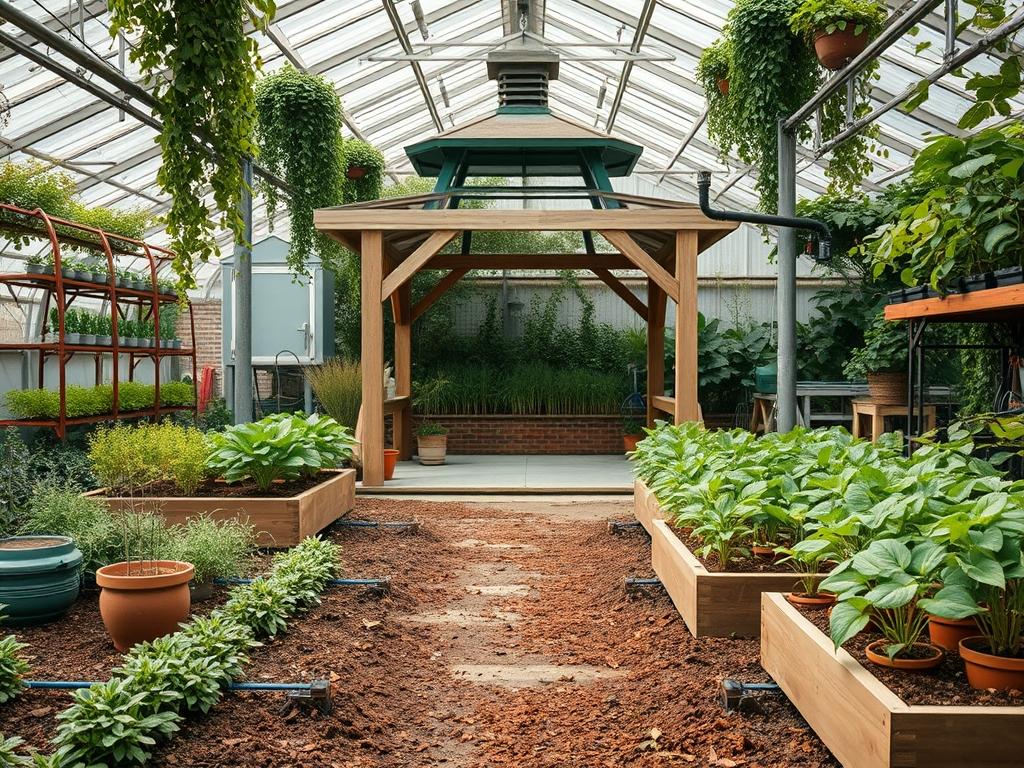
Designing a gazebo is a complex architectural endeavor that extends far beyond the assembly of a prefabricated kit or the construction of a wooden frame. To truly integrate this structure into a cohesive outdoor environment, a landscape architect must consider the interplay of light, shadow, and botanical surroundings. Modern gazebo lighting serves as the bridge between functional utility and aesthetic grandeur, turning a dark corner of the yard into a sophisticated focal point. This transformation requires a deep understanding of local microclimates, as the placement of high-output LED fixtures can affect both plant growth and the thermal profile of the immediate area. When planning such a project, the goal is to create a seamless transition from the curated interior of the home to the wilder, more organic elements of the garden. By focusing on modern lighting schemes, we can control the visual narrative of the property after sunset, highlighting specimen trees while ensuring the safety of transit through the landscape.
Effective lighting for modern structures must also account for curb appeal and long-term resale value. A well-lit gazebo acts as a luminous beacon that extends the perceived square footage of the home. However, achieving this requires more than just stringing temporary globes. It involves the strategic installation of low-voltage transformers, direct-burial cables, and waterproof junction boxes that can withstand the rigors of seasonal freeze-thaw cycles. The modern approach prioritizes subtlety, using concealed sources to wash light over textures like natural stone, cedar decking, and wrought iron. This prevents the “hot spot” effect where one area is blindingly bright while the rest of the landscape remains in pitch darkness. Through careful planning, a gazebo becomes a year-round sanctuary that functions as an outdoor dining room, a quiet reading nook, or a social hub for evening gatherings.
Landscape Design Principles
Symmetry and visual balance are the cornerstones of high-end landscape architecture. When positioning a gazebo, it should align with the primary sightlines from the home windows or the main patio doors. Modern gazebo lighting enhances this symmetry by echoing the geometric lines of the structure. For instance, placing up-lights at the base of each supporting pillar emphasizes the verticality of the design, making the roof appear as if it is floating in the dark. This technique creates a sense of elevation and importance. To balance this vertical light, ground-level path lights should be installed in a staggered pattern along the approaching walkway, guiding the eye toward the gazebo without creating a runway effect.
Irrigation and drainage planning must happen simultaneously with the electrical layout. A common mistake is ignoring how PVC conduits for lighting might interfere with underground sprinkler lines. Professional designers map these systems together to ensure that a burst pipe doesn’t saturate an electrical housing or that a digging tool doesn’t sever a power line. Furthermore, the use of elevation layers adds depth to the garden. By lighting the foreground with low-intensity well lights and the gazebo background with mid-level floodlights, you create a three-dimensional landscape that feels expansive. This layering technique prevents the yard from looking flat and two-dimensional when viewed from a distance.
Plant and Material Selection
The vegetation surrounding a gazebo acts as a soft frame for the hardscape. Selecting species that respond well to night lighting can change the entire mood of the space.
| Plant Type | Sun Exposure | Soil Needs | Water Demand | Growth Speed | Maintenance Level |
| :— | :— | :— | :— | :— | :— |
| Star Jasmine | Full Sun/Part Shade | Well-drained | Moderate | Fast | Moderate |
| English Boxwood | Part Shade | Rich, loamy | Regular | Slow | High |
| Creeping Thyme | Full Sun | Sandy/Rocky | Low | Moderate | Low |
| Hostas | Full Shade | Moist, acidic | High | Moderate | Low |
| Japanese Maple | Filtered Sun | Well-drained | Moderate | Slow | Moderate |
| Blue Star Creeper | Full Sun/Part Shade | Moist, well-draining| Moderate | Fast | Low |
| Ornamental Grass | Full Sun | Any | Low | Fast | Low |
Materials like crushed granite, silver travertine, and dark mulch also play a role in how light is reflected. Travertine reflects light upward, which can assist in illuminating the underside of the gazebo roof, while dark organic mulch absorbs light, helping to hide the fixtures themselves and focusing the viewer’s attention purely on the glow.
Implementation Strategy
The implementation phase begins with professional grading to ensure the gazebo site is the highest point or is properly protected from runoff. Utilize a laser level to establish a 2 percent slope away from the structure. This prevents water from pooling around the foundation or the electrical components. Once the site is graded, install a 4 inch perforated drain pipe encased in a filter fabric sleeve and surrounded by three-quarter inch clean stone. This French drain system will manage heavy rainfall effectively.
After the drainage is set, focus on the hardscaping and edging. Use aluminum edging or Belgian block to create a crisp border between the turf and the garden beds. Within these beds, apply a 3 inch layer of cedar mulch to retain moisture and suppress weeds. When installing the modern gazebo lighting, run the 12-gauge wire through 3/4 inch PVC conduit buried at least 6 inches deep. For the light fixtures themselves, choose 3000K warm white LEDs to create a welcoming atmosphere. At the gazebo’s ceiling, consider installing a dimmable central chandelier or flush-mount puck lights for tasks like reading or dining, while using LED tape lights hidden behind the rafters for ambient indirect illumination.
Common Landscaping Failures
One of the most frequent failures in gazebo planning is improper drainage that leads to “soggy feet” for both the structure and the surrounding plants. If water collects at the base of the gazebo, it can cause the wood to rot or the masonry to crack during winter. Another significant issue is root overcrowding. Often, homeowners plant climbing hydrangea or wisteria too close to the posts without realizing these plants can eventually exert enough force to warp the structure or invade the lighting conduits.
Soil compaction is another silent killer of landscape health. During the construction of the gazebo, heavy machinery often packs the soil down, destroying the air pockets necessary for root respiration. To fix this, use a manual aerator or a tiller to loosen the soil before planting. Additionally, many people ignore the “light pollution” factor. Using high-wattage bulbs without shields creates glare that can disturb neighbors and disrupt the circadian rhythms of local wildlife. Always use full-cut-off fixtures that direct light exactly where it is needed.
Seasonal Maintenance
Landscape management is a year-round commitment. In the spring, inspect all low-voltage connections for signs of corrosion or pest damage. Prune the Star Jasmine and Boxwood to maintain the desired shape and ensure they are not covering any light lenses. This is also the time to refresh the mulch to a depth of 3 inches to prepare for the summer heat. During the summer, focus on irrigation efficiency. Check that sprinkler heads are not spraying directly onto the gazebo’s wooden finish or into the light fixtures, even if they are rated for outdoor use.
As autumn arrives, clear fallen leaves from the top of the gazebo and around the base of the lights. Wet leaves can trap moisture against the fixtures, leading to premature seal failure. Winter maintenance involves protecting the structure from snow loads and ensuring that de-icing salts do not contact the metal components of the lighting system or the sensitive Japanese Maple roots. If you live in a climate with heavy snow, mark the edges of the walkways and the location of recessed ground lights with fiberglass stakes so they are not damaged by snow blowers or shovels.
Professional Landscaping FAQ
What is the ideal color temperature for gazebo lighting?
For residential landscapes, a temperature of 3000K is ideal. It provides a warm, inviting glow that complements natural wood tones and green foliage without the harsh, clinical feel of higher-kelvin blue lights.
How deep should I bury my landscape lighting wires?
Standard low-voltage cable should be buried at least 6 inches deep. If you are running high-voltage lines for outlets or ceiling fans, local codes often require a depth of 18 to 24 inches inside rigid conduit.
Can I use solar lights for a modern gazebo scheme?
While solar lights are easy to install, they often lack the consistency and brightness required for a professional look. For a high-end, modern finish, a 12V hardwired system with a dedicated transformer is much more reliable.
How do I prevent insects from swarming my gazebo lights?
Insects are less attracted to the long-wavelength yellow and warm tones of LED lights compared to traditional incandescent bulbs. Using dimmers and keeping the primary light sources directed downward also significantly reduces the number of flying pests.
How many lumens do I need for a standard gazebo?
Ambient lighting should be kept between 100 and 300 lumens. For task lighting, such as over a dining table, you may want upward of 500 to 800 lumens, ideally controlled by a smart dimmer switch for versatility.