
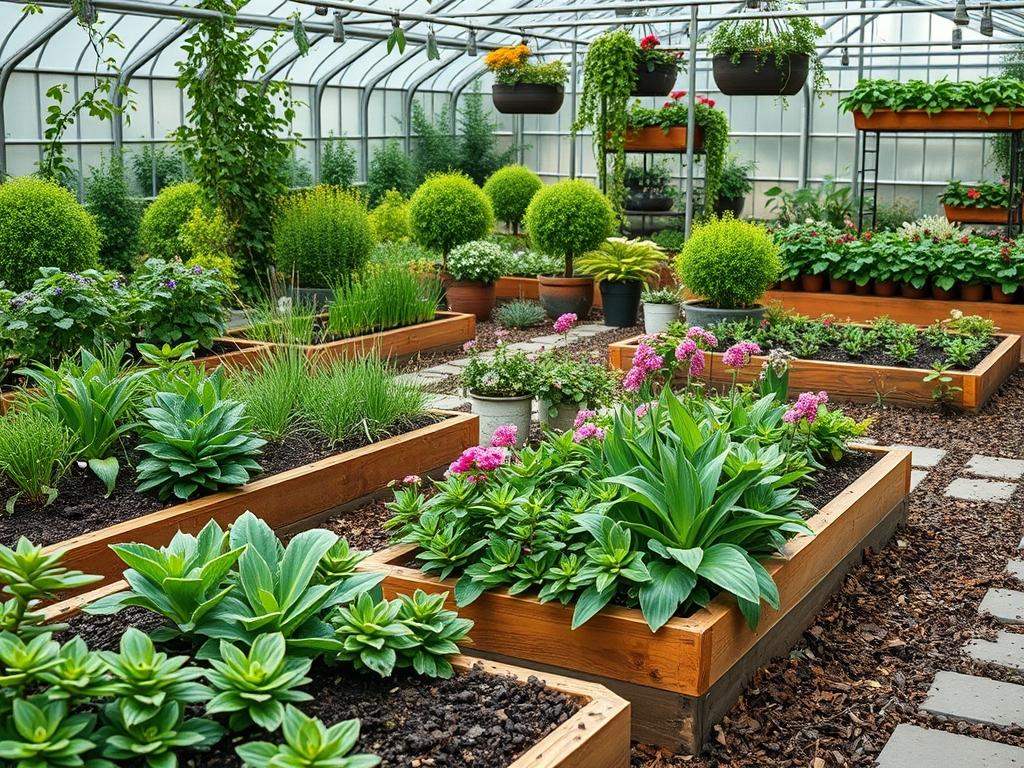
Designing modern flower bed layouts requires a departure from the chaotic, cottage style gardens of the past. Today, landscape architecture emphasizes clean lines, geometric precision, and a harmonious relationship between the built environment and the natural world. This transition toward minimalist design is not merely an aesthetic choice; it is a functional response to the need for low-maintenance, high-impact outdoor living spaces. When we approach a new project, we must consider the specific microclimate of the site, the existing architectural style of the home, and the long-term goals for curb appeal and utility. A successful design does not just look good during the peak of spring. It remains structured and visually compelling through the bleakest winter months. Achieving this balance involves a rigorous process of site analysis, soil preparation, and strategic plant selection.
Landscape Design Principles
The foundation of modern flower bed layouts is rooted in the concept of intentionality. Unlike traditional beds that might meander along a fence line, modern layouts often utilize hard, orthogonal lines or perfect arcs. We often use steel edging or poured concrete curbs to create a permanent, crisp boundary between the lawn and the planting zone. This physical separation prevents grass encroachment and reinforces the architectural intent of the space. Symmetry plays a significant role in creating a sense of order, though asymmetrical balance can be equally effective when executed with precision. By repeating specific plant species at regular intervals, we create a rhythmic flow that guides the eye across the landscape.
Visual interest is further enhanced through the use of elevation layers. A flat garden often feels one-dimensional and uninspired. To combat this, we implement retaining walls or raised planters to introduce varying heights. This allows us to place smaller, delicate specimens at eye level while taller, structural elements provide a backdrop. Focal points are essential for anchoring the design. This might be a singular specimen tree, such as a Japanese Maple, or a high-quality sculpture positioned at the intersection of two sightlines. Every element must have a purpose. If a plant does not contribute to the overall structure or color palette of the design, it is omitted.
Irrigation planning is an often-overlooked principle that determines the longevity of the layout. Modern designs should group plants by their water requirements, a practice known as hydro-zoning. This ensures that drought-tolerant species are not overwatered while thirstier plants receive the hydration they need. We typically recommend drip irrigation systems installed beneath a layer of hardwood mulch. This method delivers water directly to the root zone, reducing evaporation and preventing the fungal issues associated with overhead spraying. When combined with permeable walkways made of gravel or pavers, the entire system manages stormwater runoff efficiently while maintaining a sleek, professional appearance.
Plant and Material Selection
Selecting the right materials and flora is the most critical phase of the design process. In a modern context, we favor plants with architectural forms, such as those with upright habits, bold foliage, or distinctive silhouettes. The color palette is usually restrained, focusing on varying shades of green with strategic bursts of monochromatic color.
| Plant Type | Sun Exposure | Soil Needs | Water Demand | Growth Speed | Maintenance Level |
| :— | :— | :— | :— | :— | :— |
| Blue Oat Grass | Full Sun | Well-drained | Low | Moderate | Low |
| Boxwood Column | Full to Part Sun | Loamy, moist | Moderate | Slow | Medium |
| Autumn Joy Sedum | Full Sun | Sandy, poor | Low | Fast | Low |
| Snake Plant | Shade to Part Sun | Well-drained | Very Low | Slow | Low |
| Japanese Forest Grass | Part to Full Shade | Rich, organic | High | Moderate | Medium |
| Lavender | Full Sun | Gritty, alkaline | Low | Moderate | Medium |
| Dwarf Palmetto | Part Sun to Shade | Adaptable | Moderate | Slow | Low |
Materials should complement the home exterior. We often utilize dark basalt gravel, river rocks, or decomposed granite as a primary ground cover in modern flower bed layouts. These materials provide a stark, beautiful contrast to the green foliage and offer a permanent solution to weed suppression when installed over high-grade geotextile fabric.
Implementation Strategy
The transition from a blueprint to a finished landscape requires a methodical implementation strategy. We begin with a thorough clearing of the site, removing all existing vegetation and debris. Proper grading is the next priority. The soil must be sloped away from the foundation of the house at a minimum grade of two percent to ensure proper drainage. Failure to address grading can lead to standing water, which compromises plant health and may cause structural damage to the property.
Once the site is graded, we mark the layout using marking paint or surveyor stakes. This is the time to install any subterranean infrastructure, including irrigation lines, low-voltage lighting cables, and drainage pipes. After the infrastructure is buried, we turn our attention to the soil. Most residential soil is compacted and nutrient-deficient. We amend the beds with a 3-inch layer of organic compost and till it to a depth of 8 inches to improve aeration and drainage.
When placing the plants, we follow the “thriller, filler, spiller” framework on a larger scale. The “thriller” is your focal point, the “fillers” provide the bulk of the texture and volume, and the “spillers” soften the edges of the retaining walls or edging. Before removing plants from their nursery containers, we arrange them across the bed to verify spacing. Modern designs often depend on precise spacing to achieve a clean look. Once planted, we apply a 3-inch layer of mulch or stone. This layer regulates soil temperature and retains moisture, while also providing the finished, professional look that characterizes modern flower bed layouts.
Common Landscaping Failures
Even the most well-intended designs can fail if technical details are overlooked. One of the most frequent mistakes is improper plant spacing. It is tempting to plant specimens close together to achieve an “instant” full look. However, this leads to root overcrowding and poor air circulation, which invites disease and stunts growth. Always design for the mature width of the plant. If a shrub has a 5-foot spread at maturity, its center should be at least 2.5 feet away from any wall or neighboring plant.
Another common failure is the use of improper mulch depth. While some mulch is beneficial, “mulch volcanoes” piled against the trunks of trees or the stems of shrubs can cause rot and suffocate the root system. Conversely, a layer that is too thin will fail to suppress weeds or retain moisture. We also frequently see issues with soil compaction. During construction, heavy machinery can compress the earth, destroying the pore spaces necessary for oxygen and water movement. If the soil is not properly tilled and amended before planting, the plants will likely struggle to thrive.
Poor drainage is perhaps the most destructive failure. If water collects in the flower bed after a rainstorm, the roots of most modern ornamentals will drown. We solve this by installing French drains or catch basins in low-lying areas. Finally, neglecting the long-term maintenance of irrigation systems can lead to disaster. Clogged emitters or broken lines can go unnoticed until a valued specimen begins to wilt. Regular inspections are mandatory for a professional-grade landscape.
Seasonal Maintenance
A modern garden is designed for lower maintenance, but it is not “no maintenance.” Each season requires specific actions to preserve the integrity of the design. In the spring, the focus is on rejuvenation. We remove any winter debris, prune dead wood from shrubs, and apply a fresh layer of mulch. This is also the time to test the irrigation system and apply a slow-release fertilizer to support the upcoming growing season.
During the summer, the priority shifts to water management. Even drought-tolerant plants may require supplemental hydration during extreme heat waves. We monitor for pests and diseases, which can spread rapidly in warm weather. Deadheading spent blooms on perennials like Lavender or Sedum will keep the beds looking tidy and may encourage a second flush of color.
In the autumn, we prepare the plants for dormancy. Many ornamental grasses should be left standing through the winter to provide structural interest and texture, but spent perennials can be cut back. This is the ideal window for planting new trees or shrubs, as the cooler temperatures and increased rainfall allow roots to establish without the stress of summer heat.
Winter maintenance is primarily about protection and planning. In regions with heavy snow, we may use burlap wraps to protect sensitive evergreens from salt spray or windburn. We also take this time to sharpen pruning shears and spades while reviewing the performance of the landscape over the past year. If a particular species did not thrive, we use the winter months to research a more suitable replacement for the spring.
Professional Landscaping FAQ
What is the best material for modern garden edging?
Steel edging is the professional choice for modern flower bed layouts. It provides a slim, nearly invisible profile that maintains a perfectly crisp line between materials. It is durable, handles curves beautifully, and prevents grass from invading the planting beds effectively.
How deep should my flower bed mulch be?
A consistent depth of 3 inches is the industry standard for modern beds. This thickness is sufficient to suppress weed germination and retain soil moisture without preventing oxygen from reaching the root systems or causing rot at the base of the plants.
Do I really need a drainage plan for small beds?
Yes, every landscape needs a drainage plan. Poorly drained soil leads to root rot and plant death. Ensuring the grading slopes away from structures and using permeable materials prevents water from pooling and protects your investment in the landscape.
How do I choose the best focal point plant?
Select a specimen with architectural interest and a unique silhouette. A multi-stemmed tree or a large structural shrub works well. Ensure it is scaled correctly to the size of the bed and provides visual interest across all four seasons.
Can I use native plants in a modern layout?
Absolutely. Many native plants have striking forms that fit the modern aesthetic. Using indigenous species reduces water consumption and maintenance needs while supporting local biodiversity. The key is to plant them in structured, mass groupings rather than a chaotic mix.