
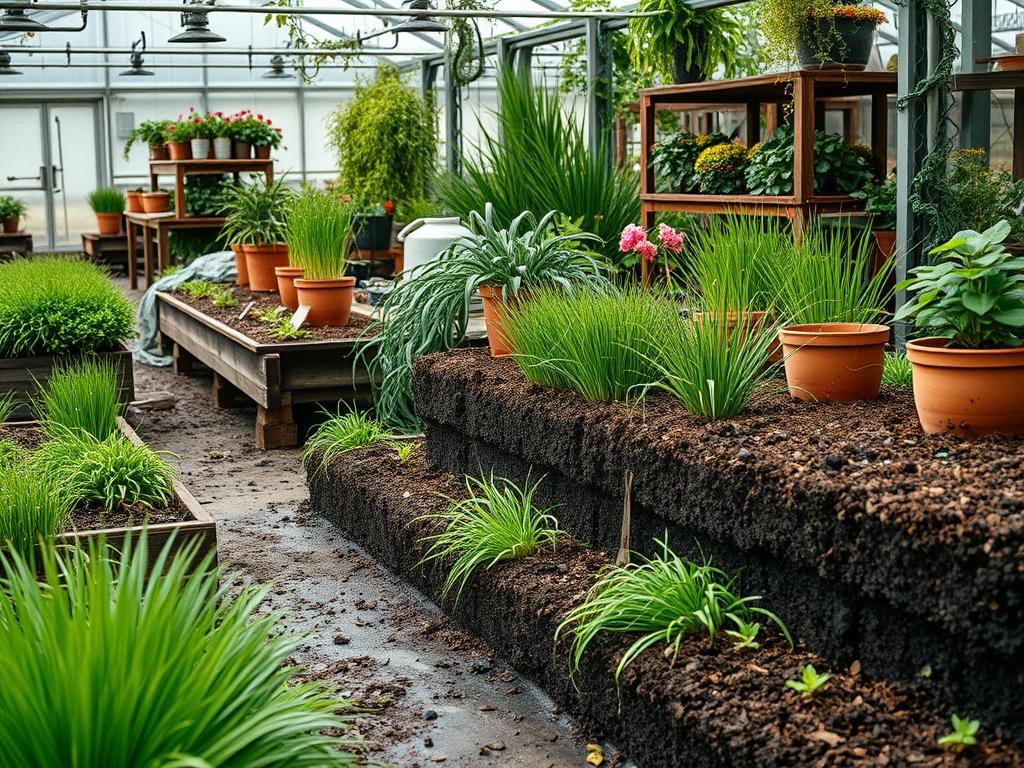
Designing a landscape along the coastline requires a fundamental shift in traditional horticultural logic. While inland gardens often prioritize rich, loamy soils and sheltered placements, a coastal property must contend with unrelenting salt spray, high-velocity winds, and sandy, fast-draining substrates. The primary objective is to create a resilient ecosystem that balances aesthetic elegance with environmental endurance. Coastal grass landscaping remains the most effective strategy for these zones because ornamental and native grasses possess the flexible cellular structures needed to withstand gale-force winds without snapping. Beyond simple survival, these plants provide the structural foundation for curb appeal, framing the home with textures that mimic the movement of the ocean itself. A well-executed plan does more than just decorate the perimeter; it stabilizes shifting dunes, prevents erosion, and creates a functional outdoor living space that thrives where traditional turf might wither under the weight of saline toxicity.
Understanding the microclimate of a beachfront or estuary property is the first step in successful outdoor planning. The air carries microscopic salt crystals that can desiccate the foliage of sensitive species, leading to salt burn. Consequently, the chosen vegetation must exhibit a high degree of halophytic tolerance. Beyond the plants themselves, the designer must consider how the salt air interacts with hardscaping materials and structural elements. By selecting the right species and implementing strategic grading, a homeowner can transform a harsh, exposed lot into a sophisticated retreat that enhances the property value and integrates seamlessly with the surrounding maritime horizon.
Landscape Design Principles
In the realm of professional landscape architecture, symmetry and focal points serve as the anchors for visual interest. For coastal properties, symmetry does not necessarily mean mirror images. Instead, it refers to balanced visual weight. Placing a heavy cluster of Muhly Grass on one side of a primary Walkway might be balanced by a weathered Stone Retaining Wall or a decorative Driftwood Sculpture on the other. Focal points should be used to draw the eye toward specific views, such as the ocean or a sunset, rather than cluttering the foreground with too many competing elements.
Elevation layers are critical in flat coastal environments. Designers often use Retaining Walls and terraced garden beds to create depth. By varying the height of the planting areas, you can ensure that shorter, more delicate species are shielded from the direct brunt of salt-laden winds by taller, hardier species like Sea Oats or Spartina. This tiered approach also aids in Irrigation Planning. Since water runoff is a significant concern on sandy slopes, structured elevation allows for the installation of Drip Irrigation Lines that deliver moisture directly to the root zones, minimizing evaporation and waste.
The integration of Walkways and hardscaping must account for the fluid nature of sand. Using Permeable Pavers or Decomposed Granite allows rainwater to penetrate the soil rather than pooling and creating runoff channels. These paths should flow logically from the indoor living areas to the outdoor seating zones, using subtle curves to mimic the natural shoreline. Visual balance is achieved by mixing the soft, airy textures of grasses with the solid, grounding presence of Natural Stone or Weathered Timber. These materials provide a permanent structure that maintains the garden’s form even during the dormant winter months.
Plant and Material Selection
The following table outlines the most effective species and materials for a high-salinity environment.
| Plant Type | Sun Exposure | Soil Needs | Water Demand | Growth Speed | Maintenance Level |
| :— | :— | :— | :— | :— | :— |
| Muhly Grass | Full Sun | Sandy/Well-Drained | Low | Moderate | Low |
| Sea Oats | Full Sun | Deep Sand | Minimal | Fast | Low |
| Fountain Grass | Full Sun/Part Shade | Loamy Sand | Moderate | Fast | Moderate |
| Seashore Paspalum | Full Sun | Saline/Moist | Moderate | Fast | High |
| Sand Cordgrass | Full Sun | Wet/Salty | High | Moderate | Low |
| Blue Fescue | Full Sun | Well-Drained | Low | Slow | Moderate |
| American Beachgrass | Full Sun | Loose Sand | Minimal | Fast | Low |
Implementation Strategy
A successful coastal installation begins with rigorous site preparation. First, the professional must address Grading. Most coastal lots require a slight slope, approximately 2 Percent, away from the home foundation to prevent water accumulation during storm surges. Once the grade is established, designers use Edging materials, such as Steel Strips or Treated Wood, to define the boundaries between planting beds and functional lawns. This prevents aggressive coastal grasses from encroaching on walkways.
Soil amendment is the next priority. While coastal grasses are adapted to sand, providing a starter layer of Organic Compost or Peat Moss in the planting holes can jumpstart root development. When the plants are positioned, ensure that the spacing accounts for their mature width. For instance, Muhly Grass should be spaced 36 Inches apart to allow for its signature airy bloom. After planting, a 3-Inch Layer of Hardwood Mulch or River Rock should be applied. While wood mulch adds nutrients as it breaks down, River Rock is often preferred in high-wind areas because it will not blow away during coastal storms.
Finally, the hardware of the garden must be installed. This includes Low-Voltage Lighting to highlight the texture of the grasses at night and a robust Drainage System. Use French Drains or Catch Basins in low-lying areas to manage heavy rainfall. If the property features a steep incline toward the water, installing Riprap or a Bio-Retention Pond can help filter pollutants before they reach the ocean, ensuring the landscape remains environmentally responsible.
Common Landscaping Failures
The most frequent error in coastal design is improper Drainage. Homeowners often underestimate how quickly sand can shift, leading to stagnant pools of water that rot the root systems of even the hardiest grasses. Without a clear path for water to exit the property, the soil becomes anaerobic, killing beneficial microbes. Another common mistake is Root Overcrowding. In an attempt to get an instant lush look, plants are often placed too close together. This creates competition for limited nutrients and reduces airflow, which can lead to fungal outbreaks in humid maritime climates.
Soil Compaction is another silent killer. Heavy machinery used during construction can compress the ground, making it nearly impossible for roots to penetrate. Professionals use an Aerator or a Garden Fork to loosen the soil before any planting occurs. Furthermore, Irrigation Inefficiencies often arise when owners treat coastal grasses like standard turf. Over-watering not only wastes resources but can actually weaken the salt-tolerance of the plant by leaching away the minerals it needs to maintain osmotic balance. Finally, failing to account for the ultimate height of species like Spartina can result in blocked views, forcing the homeowner to perform aggressive, unsightly pruning that ruins the natural silhouette of the grass.
Seasonal Maintenance
Spring is the season for rejuvenation. Using a pair of Sharpened Pruning Shears, cut back warm-season grasses to about 6 Inches above the ground before the new growth begins. This is also the time to apply a Slow-Release Fertilizer with a high potassium content to strengthen the cellular walls against salt stress. Check the Irrigation System for leaks or clogged nozzles caused by sand infiltration.
Summer maintenance focuses on moisture management. During periods of extreme heat, even drought-tolerant grasses may require supplemental watering. Apply water in the early morning to minimize evaporation. Monitor for pests like Chinch Bugs or Sod Webworms, which can thrive in the heat. It is vital to maintain the Mulch Depth at this time to keep the root zones cool and hydrated.
Autumn serves as the period for structural assessment. As the grasses enter their golden phase, avoid the urge to cut them back. The dried foliage provides vital protection for the plant crown during winter. This is the ideal window to install Hardscaping elements like Flagstone Paths or Retaining Walls, as the cooler temperatures make the labor more manageable and the soil is generally stable.
Winter in a coastal environment is about protection. High-velocity winter winds can cause Windthrow or salt desiccation. If a severe storm is predicted, wrapping sensitive ornamental specimens in Burlap can provide a necessary buffer. Check the Drainage Grates to ensure they are free of fallen debris and sand, allowing winter rains to flow freely away from the home’s foundation.
Professional Landscaping FAQ
Which grass is best for stabilizing shifting sand dunes?
American Beachgrass is the industry standard for stabilization. Its complex underground rhizome system acts like a natural rebar, locking sand in place and preventing wind erosion while thriving in direct salt spray and nutrient-poor conditions.
How do I prevent salt spray from killing my garden?
Create a multi-layered defense using a Salt Buffer. Plant tall, salt-tolerant species like Sea Oats on the windward side to filter the air. This creates a protected microclimate for less resilient plants behind the primary barrier.
Can I use standard lawn sprinklers for coastal grasses?
Standard sprinklers are often inefficient due to wind drift. Drip Irrigation or Soaker Hoses are superior because they deliver water directly to the soil, preventing salt-laden water from sitting on the foliage and causing leaf burn.
What is the best mulch for high-wind coastal areas?
In areas prone to gales, River Rock or Large Wood Chips are preferred. Fine mulches or pine straw will easily blow away. Stone mulch provides weight and stability while allowing excellent water infiltration to the roots.
When should I prune my ornamental coastal grasses?
Pruning should occur in late winter or very early spring. Cutting them back too early in the autumn removes the plant’s natural insulation, which protects the sensitive crown from freezing temperatures and salt-heavy winter winds.