
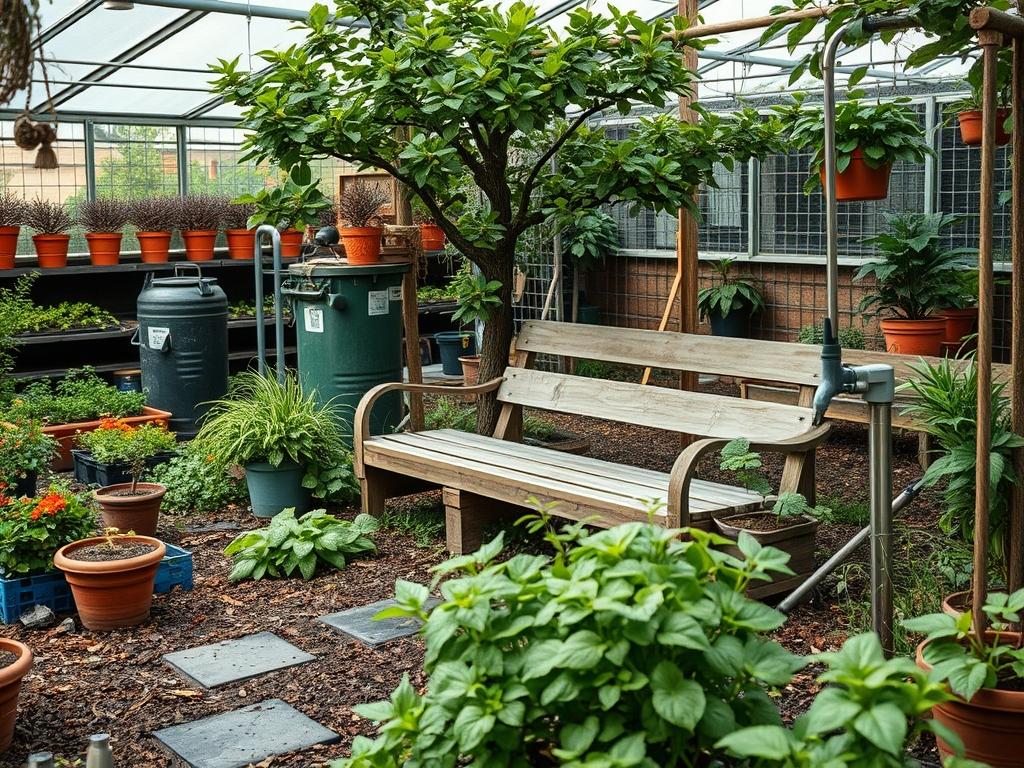
The mature shade tree is often the most significant living asset in a residential landscape. It provides a structural anchor, historical continuity, and a cooling microclimate that can lower ambient temperatures by ten degrees during the height of summer. However, the area directly beneath the canopy frequently presents a design paradox. Grass rarely thrives in the deep shade and dense root competition found there, leading to patchy turf or eroded soil that detracts from the total curb appeal of the property. Integrating a custom seat into this zone is one of the most effective backyard tree bench ideas to solve this aesthetic challenge. By creating a functional destination at the base of a trunk, a homeowner transforms a static biological feature into a dynamic outdoor living room. This approach requires more than just carpentry; it demands an understanding of arboriculture, soil science, and site engineering to ensure the intervention does not compromise the health of the tree or the longevity of the structure.
A professional installation must account for the specific climate of the region. In high humidity environments, the choice of timber is critical to prevent fungal decay and insect infestation. In arid climates, the focus shifts toward maintaining a breathable soil surface to prevent the root zone from overheating under a heavy hardscape. Beyond the practicalities of weatherproofing, a well designed bench serves as a visual weight that balances the verticality of the garden. It adds a sense of human scale to towering species like Oak, Maple, or Walnut, making the vastness of the backyard feel more intimate and inviting. When planned with precision, these structures provide a vantage point from which the rest of the landscape can be appreciated, turning the tree into both the shelter and the viewing platform.
Landscape Design Principles
Successful backyard tree bench ideas are rooted in the application of fundamental design principles, specifically symmetry and focal point management. A tree is naturally a focal point; adding a bench reinforces this status, drawing the eye immediately upon entry into the garden. If the tree is situated in the center of a lawn, a hexagonal or circular bench provides Radial Symmetry, allowing for a 360-degree view of the surrounding environment. For trees located along a perimeter or near a retaining wall, a semi-circular or straight bench offers Bilateral Symmetry, which creates a more formal and structured feel. The scale of the bench must be proportionate to the diameter of the trunk. A massive Old-Growth Oak requires a substantial, wide-profile seat to avoid looking cluttered, whereas a slender Birch or Cherry tree benefits from a lighter, more delicate framework.
Elevation layers play a vital role in how the bench interacts with the rest of the landscape. Designers often use a tiered approach, where the bench sits on a slightly raised platform of Permeable Pavers or a recessed bed of Decomposed Granite. This creates a clear transition between the seating area and the lawn or flower beds. Furthermore, visual balance is achieved by coordinating the bench materials with existing elements such as fences, decks, or the home architectural style. If the house features modern lines, a floating bench made of Powder-Coated Steel and Ipe Wood provides a sleek contrast. For traditional or rustic settings, thick slabs of Reclaimed Cedar or Natural Stone blocks offer a timeless, organic aesthetic. Integration with Irrigation Planning is also paramount; the bench should not obstruct the path of existing sprinkler heads, nor should it allow water to pool against the trunk, which can lead to crown rot.
Plant and Material Selection
| Plant Type | Sun Exposure | Soil Needs | Water Demand | Growth Speed | Maintenance Level |
| :— | :— | :— | :— | :— | :— |
| Hosta | Full Shade | Rich/Moist | Medium | Moderate | Low |
| Japanese Forest Grass | Part Shade | Well-drained | High | Slow | Medium |
| Cast Iron Plant | Full Shade | Sandy Loam | Low | Very Slow | Low |
| Western Sword Fern | Part Shade | Humus-rich | Medium | Fast | Moderate |
| Coral Bells | Sun/Part Shade | Neutral pH | Medium | Moderate | Low |
| Sweet Woodruff | Full Shade | Moist/Clay | Medium | Fast | Low |
When selecting materials for the bench itself, durability and breathability are the primary concerns. Teak is often considered the gold standard due to its high oil content and resistance to moisture. Western Red Cedar is a more accessible alternative that offers natural rot resistance and a pleasant aroma. For those seeking low maintenance, Composite Lumber provides the look of wood without the need for periodic staining. However, one should avoid using unsealed Pressure-Treated Pine in direct contact with the tree bark, as the chemicals can be harsh, and the wood may warp over time. Surround the base of the bench with shade-tolerant species like Heuchera or Wild Ginger to soften the transition from wood to earth.
Implementation Strategy
The implementation of backyard tree bench ideas begins with a comprehensive site assessment. Start by measuring the Root Flare, which is the area where the trunk expands into the roots at the soil line. You must never anchor the bench directly into the tree. As the tree grows, its diameter increases; a bench that is too tight will eventually be swallowed by the bark or girdle the tree, cutting off the flow of nutrients. A professional strategy involves leaving at least 3 to 5 inches of clearance between the back of the seat and the bark to allow for future growth and airflow.
Grading and drainage are the next priorities. The area under a tree is often uneven. Use a Leveling String and Timber Stakes to determine the high and low points. Instead of digging deep footings that might sever major structural roots, consider using Surface-Mounted Pier Blocks or Floating Joist Systems. If you must dig, use a Hand Trowel rather than a power auger to feel for roots. If a root is larger than 2 inches in diameter, do not cut it. Once the base is level, install a layer of Geotextile Fabric to suppress weeds and top it with 3 inches of Hardwood Mulch or fine gravel. This provides a stable walking surface that remains permeable to water and oxygen. When assembling the frame, use Stainless Steel Screws to prevent rust streaks and ensure the structure can withstand the increased humidity common under dense leaf canopies.
Common Landscaping Failures
The most frequent mistake in backyard tree bench ideas is soil compaction. When people walk around the base of a tree to reach a bench, the weight of their footsteps crushes the tiny air pockets in the soil. These pockets are essential for the roots to breathe and absorb water. Over time, compaction can lead to the slow decline of even the most robust species. To mitigate this, always install a dedicated Walkway of flagstone or thick mulch leading to the seating area to direct foot traffic.
Another critical failure is improper drainage. If the landscape is graded so that water flows toward the trunk, the bench structure will trap moisture against the wood and the tree bark. This creates a breeding ground for Phytophthora and other fungal pathogens. Ensure the ground slopes away from the center at a rate of at least 2 percent. Additionally, many DIY enthusiasts make the mistake of piling mulch directly against the trunk, often called volcano mulching. This can suffocate the bark and hide the presence of girdling roots. Always keep the Root Flare visible and clear of debris. Lastly, failing to account for the tree species behavior can be problematic. Trees like Eucalyptus or Cottonwood drop branches frequently, which poses a safety risk for anyone sitting on a bench below. Always prune deadwood from the upper canopy before finalizing the seating area.
Seasonal Maintenance
Seasonal management ensures that your backyard tree bench ideas remains a safe and beautiful part of the landscape for decades. In the Spring, inspect the bench for signs of winter damage, such as wood checking or loose fasteners caused by freeze-thaw cycles. Apply a fresh coat of UV-Rated Sealant if the finish has dulled. This is also the time to check the health of the tree as it leaves out, looking for any signs of pest infestation or nutrient deficiencies.
During the Summer, focus on hydration. Even though the bench provides shade, the tree and the surrounding ornamental plants will need consistent moisture during heat waves. Avoid getting the bench wet during irrigation to prevent water spots and algae growth. In the Autumn, the primary task is debris management. Fallen leaves and twigs can accumulate in the gaps of the bench slats, trapping moisture and causing rot. Regularly sweep the seat and the area underneath. Finally, in the Winter, remove any heavy snow accumulation from the bench to prevent structural bowing. If you live in a region with extreme cold, consider covering high-end timber benches with a breathable furniture wrap to protect the grain from the elements.
Professional Landscaping FAQ
How much space should I leave between the tree and the bench?
Always leave a minimum gap of 4 inches between the inner edge of the seat and the tree trunk. This allows the tree to expand as it matures and prevents the bench from becoming a structural hazard.
Can I build a bench around a young tree?
It is generally better to wait until a tree has reached a moderately mature size. Young trees grow rapidly and their bark is sensitive. If you must build now, design a modular bench that can be easily expanded.
What is the best foundation for a tree bench to protect roots?
Use a Floating Foundation with deck piers that sit on the surface or shallow gravel beds. Avoid deep concrete footings, which can sever vital lateral roots and lead to stability issues or the eventual death of the tree.
Should I use stone or wood for my backyard tree bench?
Wood is the traditional choice as it stays cooler in the sun and is easier to work with. However, stone or masonry is more durable and provides a permanent, low-maintenance solution that blends seamlessly with the natural earth.
Is it safe to sit under any tree?
Not all trees are suitable for seating. Avoid species known for brittle wood or “Self-Pruning” habits, such as Silver Maple or certain Evergreens, as falling branches can occur unexpectedly during high winds or heavy rain.