
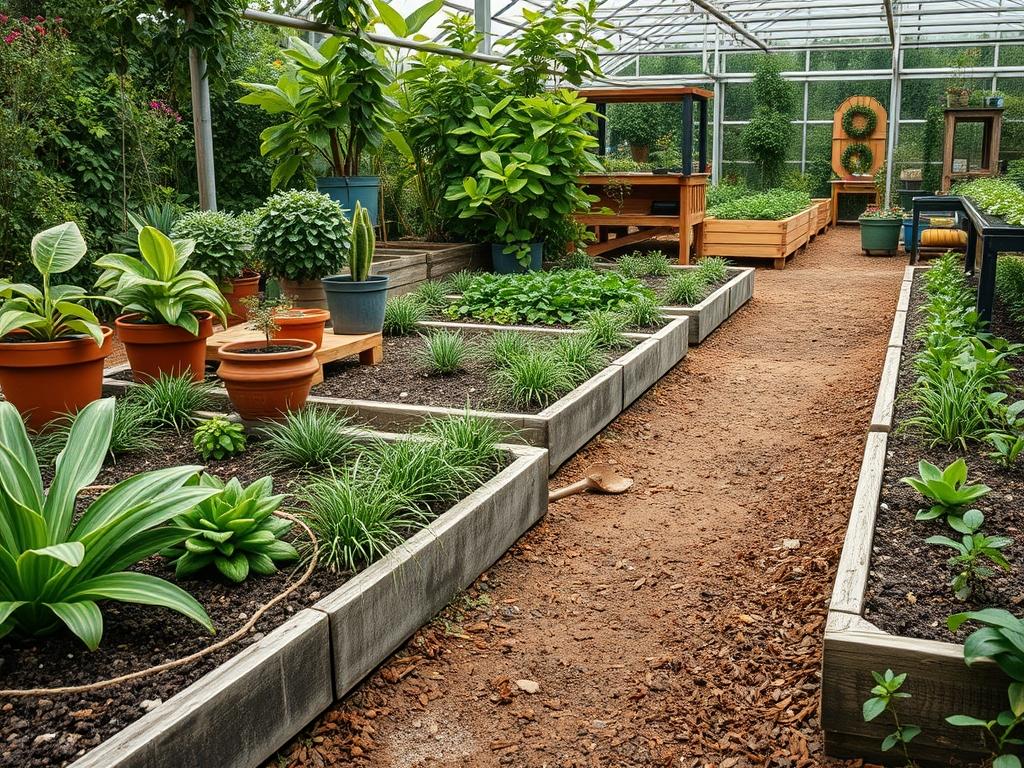
Defining the transition between your manicured lawn and your ornamental beds is more than a simple aesthetic choice; it is a fundamental requirement for successful landscape management. Modern garden edging serves as a structural barrier that prevents the aggressive encroachment of turf grass into nutrient rich planting zones. In professional landscape architecture, these boundaries provide a crisp, clean finish that significantly enhances the perceived value and curb appeal of a property. When selecting an edging material, one must consider the specific environmental conditions of the site, including soil acidity, annual precipitation, and the freeze-thaw cycles that can cause the ground to shift. Proper edging also streamlines the maintenance process, allowing for more efficient mowing and trimming while protecting delicate flora from mechanical damage. By treating the edge as an architectural element rather than an afterthought, a designer can create a cohesive outdoor environment that feels both intentional and sophisticated.
Landscape Design Principles
In the realm of modern landscape design, the concept of symmetry and focal points begins at the ground level. Edging is used to guide the eye toward specific vistas or to frame a particular specimen tree or architectural feature. When planning your layout, consider the visual balance of the entire site. For a minimalist or contemporary look, straight lines and sharp 90 degree angles are often preferred; however, organic curves can be used to soften the rigid lines of a home’s foundation.
Elevation plays a critical role in how edging is perceived and utilized. By using varying heights of edging or even low retaining walls, you can create distinct layers within the garden, adding depth and a sense of three dimensional space. This layering is particularly effective for managing sites with significant slopes, where edging acts as a small scale terrace to prevent soil erosion. Furthermore, all edging plans must account for irrigation. The placement of borders should never interfere with the spray patterns of sprinkler heads or the layout of drip irrigation lines. In fact, professional designs often use the edging trench as a secondary conduit for discreetly tucking away low voltage lighting wires or thin irrigation tubes.
Walkways and paths should integrate seamlessly with your chosen edging. A common technique involves using the same material for the edge as was used for the patio or driveway to create a unified aesthetic. For example, if your driveway consists of poured concrete, a concrete kerb edging around the perimeter of the lawn will reinforce the modern, industrial feel of the property. The goal is to create a transition that feels architectural rather than decorative, ensuring that the garden serves as an extension of the interior living spaces.
Ten Modern Garden Edging Ideas
1. Weathering Steel (Corten Steel): This material is highly favored by modern designers for its industrial patina and extreme durability. Over several months, the steel develops a stable, rusted coating that protects the underlying metal from further corrosion. It is typically installed in 14-gauge or 12-gauge strips, providing a thin, razor sharp line that disappears into the landscape.
2. Poured-in-Place Concrete: For a permanent and highly customizable solution, concrete edging is unrivaled. It can be formed into straight runs or sweeping curves and can be tinted with various oxides to match the home’s exterior. This method requires a trench of at least 6 inches deep to ensure stability and resistance to cracking during temperature fluctuations.
3. Aluminum Strip Edging: Aluminum is the professional’s choice for clean, flexible lines that will never rust or rot. It is lightweight and easy to install, often featuring a telescoping joint system. Use 1/8-inch thick strips for residential applications to achieve a subtle yet effective barrier against grass roots.
4. Basalt Set Spacing: Using dark, volcanic stone blocks such as basalt creates a high contrast border when paired with green turf or light colored pea gravel. These stones should be set in a mortar bed or a compacted gravel base to prevent shifting over time.
5. Composite Lumber: Modern composites, made from recycled plastics and wood fibers, offer the look of natural wood without the risk of decay or termite infestation. These are best used in straight line applications where a wider, more substantial border is desired to contrast with fluffy ornamental grasses.
6. Gabion Mesh Cages: For a more rugged, architectural statement, narrow gabion cages filled with uniform river stones or recycled glass can serve as an edging and a low profile wall. This method is excellent for drainage, as water can flow freely through the stone gaps.
7. Vertical Brick Soldier Course: While brick is a traditional material, setting the bricks vertically in a “soldier course” with minimal mortar joints creates a modern, repetitive pattern. Using a dark grey or charcoal brick can update this classic look for a contemporary home.
8. Recessed Metal L-Profiles: These are designed to be almost entirely invisible. The L-shape provides a sturdy base that is held down by the weight of the mulch or stones, leaving only a thin metal line at the surface. This is perfect for the “no-edge” look where two different ground covers meet.
9. Heavy Timber Sleepers: Using large, rectangular cedar timbers or pressure-treated beams provides a bold, geometric frame. To keep the look modern, avoid rounded logs; instead, use sharp-edged beams stacked only one or two levels high.
10. Natural Stone Slabs: Large, flat pieces of slate or sandstone can be set on their side or laid flat to create a wide, walkable edge. This works exceptionally well in “dry creek bed” designs where the edging needs to blend into a more naturalistic, modern prairie aesthetic.
Plant and Material Selection
| Plant or Material Type | Sun Exposure | Soil Needs | Water Demand | Growth Speed | Maintenance Level |
| :— | :— | :— | :— | :— | :— |
| Boxwood (Buxus) | Full Sun to Partial Shade | Well-drained, Loamy | Moderate | Slow | High (Needs Pruning) |
| Liriope (Monkey Grass) | Shade to Partial Sun | Adaptable | Low | Medium | Very Low |
| Blue Fescue | Full Sun | Dry, Sandy | Low | Medium | Low |
| Corten Steel Strips | All Exposures | N/A | None | N/A | Minimal |
| Poured Concrete | All Exposures | Compacted Subgrade | None | N/A | Low (Check Cracks) |
| Mexican Beach Pebbles | All Exposures | N/A | None | N/A | Low (Occasional Raking) |
| Dwarf Mondo Grass | Partial to Full Shade | Rich, Moist | Moderate | Very Slow | Minimal |
Implementation Strategy
The success of any edging project depends on the quality of the preparation and the precision of the installation. Begin by marking your desired lines with a surveyor’s string or marking paint to ensure consistency. For straight lines, a string line is essential to avoid “wobble” that becomes apparent after the lawn grows in. Once the layout is confirmed, the trenching process begins.
Use a half-moon edger or a square-bladed spade to cut a clean vertical line in the turf. The depth of your trench should be approximately 2 to 3 inches deeper than the profile of your edging material to allow for a base of leveling sand or crushed stone. This base is vital; it prevents the edging from sinking or “frost heaving” out of the ground when the soil expands in winter.
When installing metal edging, use steel stakes at least 12 inches long, spaced every 3 feet, to secure the strips. Overlap the joints by at least 4 inches to maintain a continuous line. Once the edging is set, fill the interior side with a high-quality hardwood mulch or decorative stone. Ensure the mulch depth is at least 3 inches to suppress weed growth effectively, but keep it an inch below the top of the edging to prevent spillover onto the lawn. For drainage, ensure the ground is graded to slope away from the home’s foundation at a rate of at least 2 percent.
Common Landscaping Failures
One of the most frequent errors in garden edging is neglecting the “root of the problem.” Many gardeners fail to install the edging deep enough to block the lateral spread of rhizomatous grasses like Bermuda or Zoysia. If the barrier does not extend at least 4 to 6 inches underground, these grasses will simply grow beneath the edging and emerge in your flower beds.
Another common failure is improper soil compaction. If the soil beneath a heavy edging material, such as concrete blocks or granite sets, is not sufficiently compacted with a tamper, the stones will settle unevenly over the first year. This creates a jagged, unprofessional appearance. Drainage is equally important; edging that is installed too high can act as a dam, trapping water in the garden beds and leading to root rot in sensitive plants. Always ensure there are small gaps or designated drainage points where water can escape during heavy rain.
Seasonal Maintenance
Seasonal management ensures that your modern edges remain crisp and functional year round. In the spring, inspect all borders for movement caused by winter frost. Use a heavy mallet to reset any stakes or stones that have shifted. This is also the time to refresh your mulch and apply a pre-emergent herbicide along the edge to prevent weed seeds from germinating in the disturbed soil.
During the summer, the primary focus is on mechanical maintenance. When using a string trimmer or lawn mower, be careful not to strike the edging, especially if using plastic or painted metal, as this can cause unsightly abrasions. In the autumn, clear fallen leaves and organic debris that can accumulate against the edging; if left to rot, this debris creates a nutrient rich bridge that allows grass seeds to take root in the mulch. Finally, in the winter, minimize the use of de-icing salts near your garden edges, as the salt runoff can damage metal finishes and alter the pH of the soil, harming your native plants.
Professional Landscaping FAQ
What is the most durable material for modern garden edging?
Corten steel and poured concrete are the most durable options. Steel offers industrial longevity with a slim profile; whereas concrete provides a permanent, heavy-duty barrier. Both materials withstand extreme weather and mechanical impacts from mowers better than plastic or wood.
How deep should my garden edging be installed?
A professional installation typically requires a depth of 4 to 6 inches. This depth is necessary to effectively sever grass roots and prevent them from migrating into the planting beds. It also provides enough structural stability to resist seasonal ground movement.
Does garden edging help with drainage?
Yes, if planned correctly. Edging can define drainage swales or act as a guide for surface runoff. However, improper installation can create “pooling.” Using porous materials like gabion stone or leaving small gaps in masonry helps ensure water moves away from plant roots.
Can I install modern edging on a sloped yard?
Absolutely. On slopes, edging often functions as a mini retaining wall. Materials like timber sleepers or stacked stone are ideal for creating small terraces. This prevents soil erosion and mulch washout, which are common issues in steeply graded landscapes.
What is the best way to prevent weeds along my edging?
Install a heavy-duty landscape fabric underneath your mulch or stone, ensuring it tucks firmly against the edging strip. Maintaining a consistent 3-inch mulch depth and using a string trimmer regularly will prevent grass and weeds from jumping over the border.