
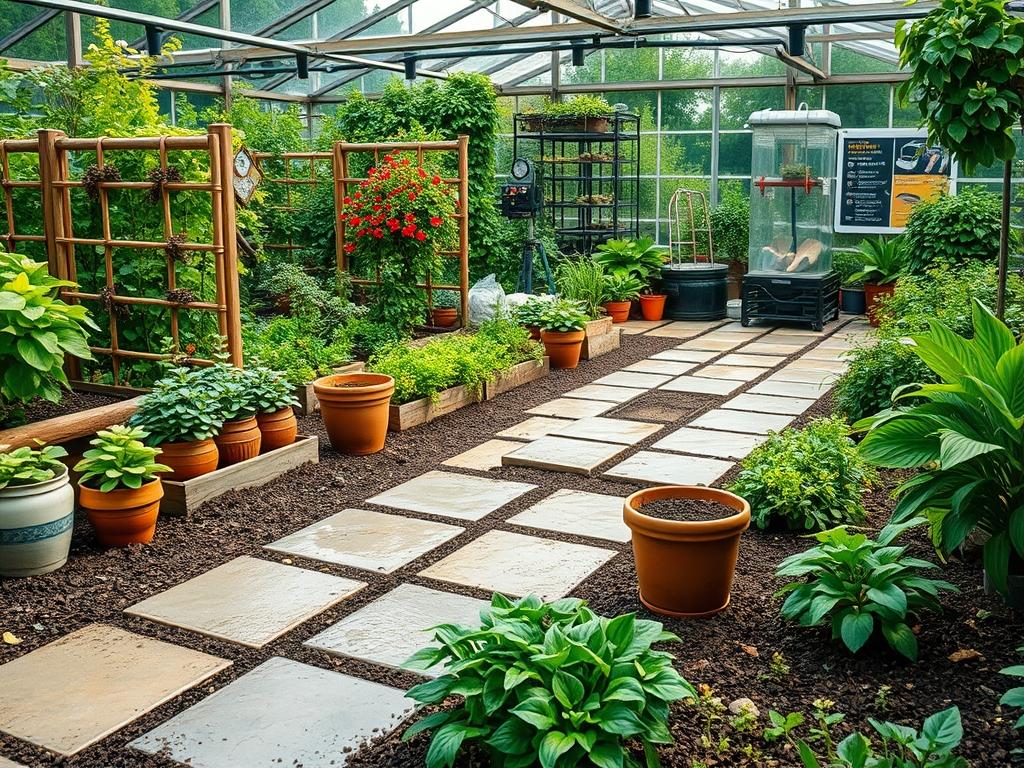
Natural flagstone brings an organic, timeless elegance to any residential landscape. Whether you are using Pennsylvania Bluestone, Arizona Flagstone, or local Limestone, these slabs provide a texture and character that synthetic pavers simply cannot replicate. However, because flagstone is a sedimentary or metamorphic rock, it possesses inherent porosity. Without professional intervention, water infiltration, harsh freeze-thaw cycles, and ultraviolet radiation begin to erode the natural binder of the stone. This leads to spalling, a process where the surface flakes off in thin layers, and deep-seated staining from organic debris like fallen leaves or acorns. Flagstone Patio Sealing serves as the primary defensive barrier, locking out moisture while enhancing the rich, earthen mineral hues of the substrate. In a high-end landscape, the patio is the anchor of outdoor living, and its preservation is synonymous with maintaining the property’s overall value and curb appeal.
As a landscape architect, I view the patio not merely as a flat surface, but as a structural component that must interact with the surrounding ecology. The longevity of a stone surface depends heavily on how it is integrated into the site’s grading and drainage plan. If water pools on the surface because of improper pitch, even the highest quality stone will eventually fail. Sealing is the final step in a long chain of design decisions that prioritize durability. When we specify a sealing schedule, we are looking at the lifestyle of the inhabitants. A family that frequently hosts outdoor dinners will require a sealer with high oil resistance to prevent grease from a Gas Grill or outdoor kitchen from permanently etching the stone. Professional sealing transforms a raw, vulnerable material into a resilient outdoor floor that can withstand the elements for decades.
Landscape Design Principles
Successful landscape design relies on the core principles of symmetry, focal points, and visual balance. When incorporating a flagstone patio, we often use the material to lead the eye toward a specific destination, such as a Custom Fire Pit or a large-scale Water Feature. The irregularly shaped edges of natural flagstone provide a soft, painterly transition between the rigid lines of the home’s architecture and the fluid shapes of the garden beds. To achieve visual balance, the scale of the stone must match the scale of the space. Large, 2-inch thick slabs of Bluestone belong in expansive gathering areas, while smaller, thinner pieces may be better suited for a winding garden path.
Elevation layers also play a critical role in how the patio is perceived and how it functions. By utilizing Retaining Walls built from matching stone, an architect can create multi-tiered living spaces that define different “rooms” in the backyard. For example, an upper dining terrace might overlook a lower lounge area. Within these transitions, irrigation planning is paramount. We must ensure that the output from Drip Irrigation or spray heads does not constantly saturate the patio surface. Constant moisture can lead to a buildup of calcium deposits, known as efflorescence. A robust Flagstone Patio Sealing program prevents these minerals from bonding to the surface, making them much easier to clean during routine maintenance.
Plant and Material Selection
The following table highlights plant species and materials that complement flagstone hardscaping, focusing on their growth habits and maintenance requirements within an integrated landscape plan.
| Plant Type | Sun Exposure | Soil Needs | Water Demand | Growth Speed | Maintenance Level |
| :— | :— | :— | :— | :— | :— |
| Creeping Thyme | Full Sun | Well-drained | Low | Moderate | Low |
| Blue Star Creeper | Partial Shade | Moist, Rich | Medium | Fast | Moderate |
| Sedum Album | Full Sun | Sandy, Poor | Very Low | Slow | Very Low |
| Irish Moss | Partial Sun | Loamy, Humus | High | Moderate | High |
| Dwarf Mondo Grass| Shade / Sun | Adapts well | Medium | Slow | Very Low |
| Polymeric Sand | N/A (Joints) | N/A | N/A | N/A | Low |
| Silane-Siloxane | Sealer Type | N/A | N/A | N/A | Low |
Implementation Strategy
The process begins with thorough site preparation. To ensure a stable patio, we excavate to a depth that allows for a 6-inch base of 3/4-inch Crushed Gravel, compacted in layers to prevent settling. On top of this, a 1-inch layer of Bedding Sand provides the leveling medium for the stones. Each piece of flagstone is hand-selected and fitted, often requiring a Chipping Hammer or a Wet Saw with a Diamond Blade to achieve tight, uniform joints. Once the stones are set, we fill the gaps with Polymeric Sand, which hardens when misted with water to resist weed growth and ant hills.
The application of Flagstone Patio Sealing is the final, critical stage. Before applying any chemical, the stone must be cleaned using a Power Washer at a controlled pressure to remove dust, construction debris, and biological growth. The stone must then dry completely for at least 48 hours. We typically use a Nap Roller or a Low-Pressure Pump Sprayer to apply a high-quality penetrating sealer. These products move below the surface to create a hydrophobic barrier within the stone’s pores. For clients who prefer a more dramatic look, a film-forming “Wet Look” sealer can be used to darken the stone and provide a slight gloss, though these usually require more frequent reapplication than penetrating variants.
Common Landscaping Failures
The most frequent failure in patio construction is poor drainage. If the sub-grade is not pitched at a minimum of 2 percent slope away from the home, water will collect under the slabs. This trapped moisture causes the stone to heave during winter frosts and can lead to the “delamination” of the sealer. Another common mistake is sealing the stone too quickly after installation. Most new stone and grout needs a “curing” period of approximately 30 days to allow trapped salts and moisture to migrate out. Sealing too early can trap these minerals, resulting in a cloudy, white haze under the sealer coat that is difficult to remove.
Root overcrowding is another issue that often disrupts flagstone installations. Planting large, aggressive trees like Willow or Silver Maple too close to the hardscape will eventually result in roots lifting the stones. We always recommend a buffer zone or the installation of a Root Barrier to protect the structural integrity of the patio. Finally, using the wrong cleaning chemicals, such as harsh acids, can etch the surface of Limestone or Travertine. Always check the pH compatibility of any cleaner with the specific type of sealer applied to the stone.
Seasonal Maintenance
In the spring, the primary goal is removing the grime of winter. A soft-bristled broom and a mild detergent are usually sufficient for a sealed patio. Check the joints for any loss of Polymeric Sand and replenish as needed. During the summer, monitor the sealer for signs of wear in high-traffic areas. You can test the integrity of the sealer by pouring a small amount of water on the stone; if it beads up, the protection is still active. If the water soaks in and darkens the stone, it is time for a maintenance coat.
Autumn requires diligence in leaf removal. When organic matter sits on damp stone, it releases tannins that can leave stubborn brown stains. While a good Flagstone Patio Sealing job will resist these stains, it is best to use a leaf blower daily during the peak of the fall season. In winter, avoid using Rock Salt or other chemical de-icers on natural stone. These salts can penetrate the sealer and cause internal crystalline expansion, which leads to surface cracking. Instead, use Sand or a specialized “stone-safe” ice melt product to provide traction without compromising the minerals in the flagstone.
Professional Landscaping FAQ
How often does flagstone require re-sealing?
Generally, a high-quality penetrating sealer lasts between 3 and 5 years. High-traffic areas or regions with extreme weather may require more frequent attention. Always perform a water-bead test annually to determine if the protective layer has dissipated or remains effective.
Can I apply sealer over a dirty patio?
Never apply sealer to a dirty or damp surface. Any dirt, mildew, or stains present will be permanently trapped under the coating. Thoroughly clean the stone with a Pressure Washer and allow it to dry completely before starting the application.
Does sealing make the flagstone surface slippery?
Penetrating sealers do not change the surface texture. However, topical “Wet Look” sealers can become slick when wet. To solve this, we often mix an Anti-Skid Additive or fine clear aggregate into the sealer during the final application coat.
Will sealer prevent all types of weeds?
Sealer protects the stone, but the joints are where weeds typically grow. Using Polymeric Sand in conjunction with a sealer provides the best defense. The sealer helps bond the sand particles, creating a harder surface that is difficult for seeds to penetrate.
Can I use a sealer on outdoor stone fireplaces?
Yes, sealing a stone fireplace protects it from soot staining and moisture. Ensure the sealer is rated for high temperatures if it is being applied near the firebox. Most penetrating sealers are suitable for the exterior masonry of a chimney or hearth.