
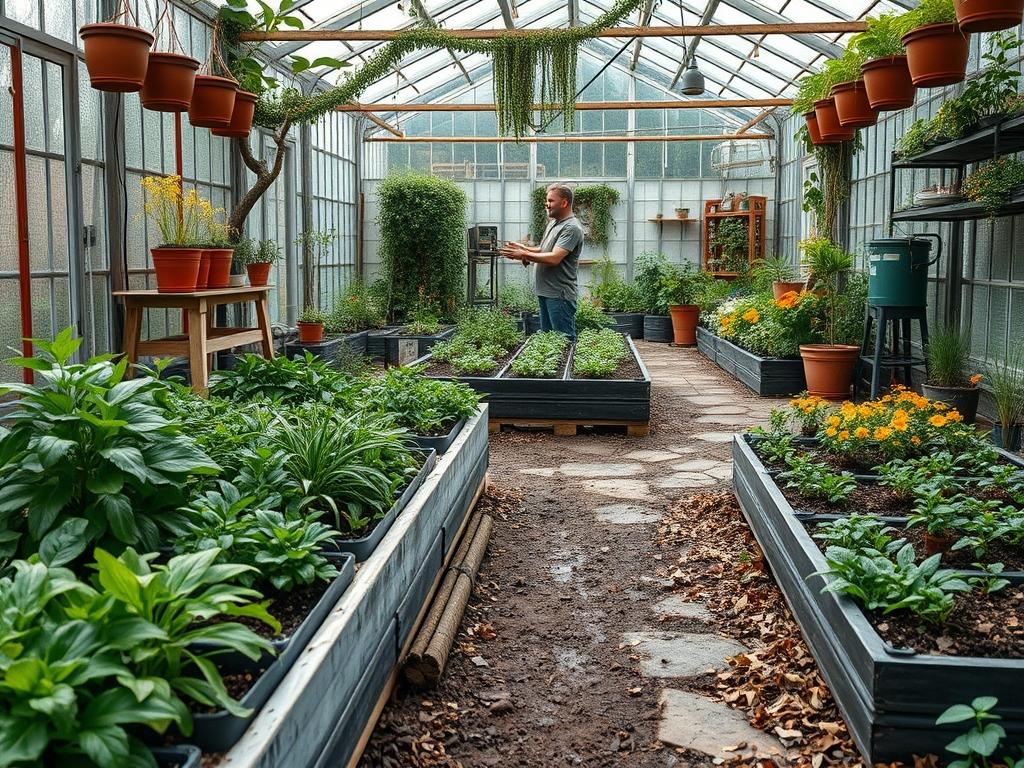
Most homeowners view the dormant season as a period of aesthetic resignation, assuming the vibrant palettes of spring and summer must inevitably give way to a landscape of grey mud and skeletal branches. However, a professional landscape designer views the winter months as the ultimate test of a garden’s structural integrity. Achieving Winter Garden Interest involves more than just planting a few evergreens; it requires a strategic layering of textures, bark patterns, persistent berries, and early blooming species that thrive despite the frost. Curb appeal does not have to plummet when the temperature drops. By focusing on the bones of the outdoor environment, we can create a space that feels intentional and functional even under a dusting of snow. This approach transforms the backyard from a neglected seasonal space into a year round extension of the home.
The primary challenge in winter landscape design is the lack of leaf canopy, which often reveals flaws in the original layout. Without the distraction of lush foliage, the eye naturally searches for geometry and form. This is why we prioritize hardscape elements like flagstone paths, retaining walls, and pergolas during the planning phase. These features provide the necessary contrast to the organic shapes of dormant perennials. Furthermore, climate considerations dictate the selection of hardy species that can withstand heavy snow loads or desiccating winter winds. A well planned garden should provide a sense of shelter and visual warmth through the use of deep greens, rich burgundies, and bright yellows found in specific stems and berries.
Landscape Design Principles
Successful winter landscapes rely heavily on the principle of symmetry. When the erratic growth of summer perennials disappears, a mirrored layout of structural shrubs creates a sense of order and calm. Using Boxwoods or Yews to flank an entryway or line a primary walkway ensures that the garden maintains its shape throughout the year. These evergreens act as the anchor points for the entire design, allowing more delicate winter interest plants to stand out against a consistent backdrop.
Focal points are equally critical when the garden lacks a dominant floral display. A high contrast specimen tree, such as a Paperbark Maple with its exfoliating cinnamon colored bark, can serve as a natural sculpture. We also look at elevation layers to prevent the landscape from looking flat. By utilizing mounds or terraced garden beds, we can lift certain plants into the line of sight. This is particularly effective for low growing species like Hellebores, which might otherwise be lost in the shadows of larger shrubs.
Irrigation planning must also account for winter needs. While most plants are dormant, the soil can still dry out during long periods of frozen ground and high winds. We often recommend installing a smart irrigation controller with a winterization bypass to ensure that evergreen species receive adequate hydration during late autumn. Finally, the integration of outdoor lighting enhances the visual balance after sunset. Highlighting the branch structure of a Deciduous Holly with low voltage well lights creates a dramatic silhouette that carries the garden’s presence through the long winter nights.
Plant and Material Selection
| Plant Type | Sun Exposure | Soil Needs | Water Demand | Growth Speed | Maintenance |
| :— | :— | :— | :— | :— | :— |
| Red Twig Dogwood | Full Sun to Part Shade | Moist, Boggy | High | Fast | Annual Pruning |
| Winterberry Holly | Full Sun to Part Shade | Acidic, Moist | Medium | Moderate | Low |
| Hellebore | Part Shade to Full Shade | Well Drained, Rich | Medium | Slow | Foliage Cleanup |
| Witch Hazel | Full Sun to Part Shade | Moist, Acidic | Medium | Moderate | Minimal |
| Paperbark Maple | Full Sun to Part Shade | Well Drained | Medium | Slow | No Pruning |
| Blue Spruce | Full Sun | Well Drained | Low | Slow | Very Low |
| Camellia Japonica | Part Shade | Acidic, Rich | Medium | Moderate | Mulching |
| Winter Jasmine | Full Sun to Part Shade | Any Well Drained | Low | Fast | Height Control |
| Feather Reed Grass | Full Sun | Moist to Wet | Medium | Fast | Late Winter Cutback |
| Evergreen Azalea | Part Shade | Acidic, Well Drained | Medium | Moderate | Shaping |
| Beautyberry | Full Sun to Part Shade | Loamy, Moist | Medium | Moderate | Spring Pruning |
| Japanese Pieris | Part Shade | Acidic, Moist | Medium | Slow | Low |
Implementation Strategy
The transition from a conceptual plan to a physical garden requires a meticulous layout process. We begin with a thorough site analysis to determine the topography and grading. Proper grading is essential to ensure that water moves away from the home’s foundation and prevents ice dams on walkways. We aim for a 2 percent slope in most garden beds to facilitate natural runoff. Before any planting occurs, the installation of hardscaping elements like retaining walls or stone edging defines the boundaries of the space. We prefer 4-inch steel edging for its durability and clean profile; it prevents turf grass from encroaching into the ornamental beds.
Once the structure is set, we prepare the soil by incorporating organic compost and expanded shale to improve aeration and drainage. This is especially important for winter plants, as waterlogged roots are more susceptible to freezing damage. When placing the plants listed above, spacing should account for their mature width at the 10-year mark rather than their size at the nursery. After planting, we apply a 3-inch layer of triple-shredded hardwood mulch. This mulch serves three purposes: it regulates soil temperature, retains moisture, and provides a dark, uniform background that makes the bright stems of Red Twig Dogwood or the purple berries of Beautyberry pop visually.
For drainage management, we often install French drains or dry creek beds lined with river rock. These systems manage heavy meltwater while adding a naturalistic stone element to the winter scene. If the site has a high water table, we utilize perforated PVC pipes buried in washed gravel to redirect excess moisture toward a designated bioswale or municipal drainage point.
Common Landscaping Failures
One of the most frequent errors we see in residential landscapes is root overcrowding caused by improper initial spacing. Homeowners often want an instant look, so they plant Blue Spruce or Winterberry Holly too close together. Within five years, these plants compete for nutrients and light, leading to dieback and a loss of the very structure the designer intended to create. Another critical mistake is ignoring soil compaction. During construction or heavy gardening, the soil structure can be crushed, preventing oxygen from reaching the roots. We use air spades or tilling to remediate compaction before the final planting phase.
Drainage mistakes also rank high among common failures. If the grading is flat or sloped toward the house, winter thaw cycles will result in standing water that freezes into dangerous ice sheets. Furthermore, “mulch volcanoes,” the practice of piling mulch high against the trunk of a tree, are a major concern. This traps moisture against the bark, inviting fungal rot and rodent damage during the winter months. Finally, many people fail to realize that irrigation is an ongoing need. A lack of deep watering in late autumn can lead to “winter burn” on evergreens like Boxwood or Azalea, as they continue to lose moisture through their leaves while the ground is frozen.
Seasonal Maintenance
A winter interest garden requires a specific maintenance calendar to thrive. In the Spring, the focus is on renewal. This is the time to prune Red Twig Dogwood significantly; cutting them back to within 6 inches of the ground encourages the growth of new, brightly colored stems for the following winter. We also apply a slow release fertilizer with a balanced nitrogen, phosphorus, and potassium ratio to support the primary growing season.
During the Summer, maintenance shifts to moisture management and weed control. We utilize drip irrigation systems to deliver water directly to the root zones, minimizing evaporation. Deadheading spent blooms on summer arrivals keeps the garden looking neat, but we leave the seed heads on plants like Coneflowers or Ornamental Grasses as we approach autumn.
In Autumn, the preparation for the dormant season begins. We do not prune late blooming species like Camellia at this time, as they have already set their buds for winter. Instead, we focus on leaf removal from lawn areas while allowing some leaf litter to remain in the garden beds as natural insulation. A final deep watering before the first hard freeze is mandatory for all broadleaf evergreens.
In the Winter, maintenance is surprisingly light but highly focused. It involves monitoring for snow load damage on brittle branches and using a broom to gently whisk away heavy accumulation from Arborvitae or Spruce. We also use this time to perform “structural pruning” on deciduous trees when their branching patterns are fully visible. This is the best window to remove crossing or diseased limbs without the interference of foliage.
Professional Landscaping FAQ
What is the best way to add instant winter color?
The fastest method involves planting Red Twig Dogwood and Winterberry Holly. These species provide immediate visual impact through vibrant red stems and persistent bright berries that stand out against the grey or white backdrop of a winter day.
How do I prevent my evergreens from turning brown in winter?
Winter desiccation, or winter burn, is prevented by deep watering in late autumn and applying an anti-desiccant spray. This waxy coating reduces moisture loss from the leaves when the ground is frozen and roots cannot absorb water.
Can I plant winter interest species in the middle of winter?
It is generally not recommended to plant when the ground is frozen. Ideally, you should install these plants in late autumn or early spring when the soil is workable, allowing roots to establish before extreme temperature shifts occur.
Why is drainage more important in winter?
Poor drainage leads to standing water that undergoes frequent freeze-thaw cycles. This process can heave plants out of the ground, snap roots, and create hazardous ice patches on your walkways and patios, damaging both plants and hardscaping.
How much mulch do I really need for winter protection?
Maintain a consistent 2 to 3-inch layer of organic mulch. Avoid exceeding 4 inches, as excessive depth can suffocate roots. Focus on the drip line of the plant rather than the trunk to ensure proper insulation and moisture retention.