
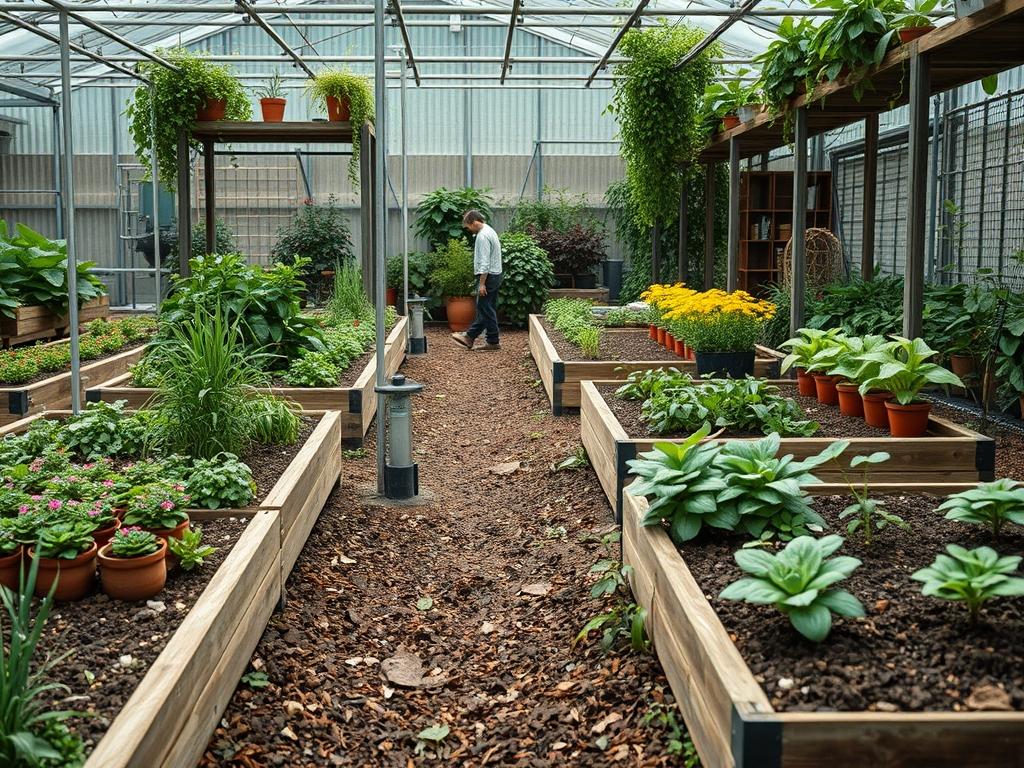
Modern landscaping is undergoing a significant shift toward architectural clarity and low-maintenance durability. Homeowners and commercial developers are increasingly moving away from the high-maintenance demands of traditional English cottages or sprawling suburban lawns in favor of the structured, weather-resistant aesthetic of Industrial Garden Design. This style relies heavily on the marriage of raw materials like Corten steel, natural stone, and exposed concrete. The primary challenge in executing this design lies in balancing cold, hard surfaces with organic softness, ensuring that the space feels like a functional outdoor room rather than a construction site. By prioritizing structural integrity and high-quality drainage systems, designers can create environments that thrive across diverse climates while providing significant curb appeal. Integrating a cohesive industrial palette requires a professional understanding of how metal patinas evolve and how stone textures react to local weather patterns.
Landscape Design Principles
Successful Industrial Garden Design is rooted in the concepts of geometry or intentional asymmetry. Unlike traditional landscapes that favor curved, organic flower beds, the industrial aesthetic utilizes sharp, clean lines to define specific zones of use. To achieve this, it is essential to establish clear focal points using heavy-gauge materials. For instance, a large Corten steel planter or a monolith of basalt can act as an anchor for the entire courtyard. These elements draw the eye and provide a sense of permanence. Elevation layers are equally important; using retaining walls made of gabion cages filled with river rock allows a designer to create topographical relief on flat lots. These layers provide vertical interest and offer opportunities for integrated seating or lighting.
Visual balance is achieved by contrasting the density of stone with the airiness of native plantings. When planning the layout, ensure that walkways are wide enough for comfortable traffic flow, typically measuring at least 36 inches to 48 inches in width. Use oversized concrete pavers or flagstone set in a bed of crushed gravel to provide stability without sacrificing drainage. Professional irrigation planning is a non-negotiable step in this process. While many industrial-style plants are drought-tolerant, their placement near metal structures requires precision. Subsurface drip irrigation is preferred over overhead sprays to prevent mineral deposits from staining steel surfaces or causing premature corrosion on non-weathering metals.
Plant and Material Selection
The following table outlines the essential flora and materials used to soften industrial hardscaping while maintaining the professional rigor of the design.
| Plant or Material Type | Sun Exposure | Soil Needs | Water Demand | Growth Speed | Maintenance Level |
| :— | :— | :— | :— | :— | :— |
| Blue Oat Grass | Full Sun | Well-drained | Low | Moderate | Low |
| Horsetail Reed | Sun to Part Shade | Moist to Wet | High | Fast | Medium |
| Corten Steel Edging | N/A | Supportive Base | N/A | N/A | Low |
| Mexican Beach Pebble | N/A | Compacted Sub-base | N/A | N/A | Very Low |
| Agave Americana | Full Sun | Sandy/Rocky | Very Low | Slow | Low |
| Little Spire Russian Sage | Full Sun | Poor to Average | Low | Fast | Low |
| Gabion Wall Stone | N/A | Cleaned Backfill | N/A | N/A | Very Low |
| Feather Reed Grass | Full Sun | Heavy or Loamy | Moderate | Moderate | Low |
Implementation Strategy
The transition from a blueprint to a finished industrial landscape requires a systematic approach to site preparation and material installation. The first phase is always grading. Proper slope is the foundation of any outdoor living space; you must ensure a minimum grade of 2 percent away from any structures to facilitate effective drainage. Once the skeleton of the yard is graded, the installation of hardscaping elements begins. For an industrial look, start by setting the retaining walls. If using gabion baskets, ensure the base is a compacted layer of crushed aggregate at least 4 inches deep to prevent settling.
Next, install the edging that will define the transition between gravel paths and planting beds. Corten steel is excellent for this, as it can be easily bent into crisp angles or soft radii while providing a permanent barrier for mulch and stone. When laying down gravel or river rock paths, a high-quality geotextile fabric must be placed beneath the stone. This prevents the stone from sinking into the soil and inhibits weed growth. For planting, focus on groups of three or five to create a rhythmic, massed effect. Dig holes twice the width of the root ball and backfill with a mixture of native soil and organic compost. Apply a layer of bark mulch or decomposed granite at a depth of 2 to 3 inches to retain moisture and keep the root zones cool.
Common Landscaping Failures
One of the most frequent mistakes in Industrial Garden Design is the neglect of subterranean infrastructure. Improper drainage often leads to standing water inside gabion walls or behind steel plates, which can cause structural shifting during freeze-thaw cycles. Another common failure is the lack of a proper sub-base for concrete pavers. Without at least 6 inches of compacted road base and a thin layer of bedding sand, large-format pavers will inevitably crack or tilt.
Material selection errors also plague many amateur projects. Using thin, light-gauge metal for edging or planters will result in warping and jagged edges within a few seasons. Professional designs demand at least 1/4 inch thick steel for structural elements. Additionally, many designers fail to account for the heat-retaining properties of stone and metal. In hot climates, placing heat-sensitive plants directly against a dark basalt wall can lead to root scorch. Finally, root overcrowding occurs when plants like Horsetail Reed are installed without a root barrier; these aggressive species can quickly overwhelm neat industrial lines and compromise underground irrigation pipes.
Seasonal Maintenance
Maintaining an industrial garden is less about deadheading flowers and more about managing the integrity of the materials. During the spring, focus on cleaning the debris that has accumulated in gravel beds. Use a leaf blower on a low setting or a rake to remove fallen leaves, which can break down into organic matter and encourage weed growth. This is also the time to inspect the irrigation system for leaks and adjust timers for the increasing temperatures.
In the summer, monitor the moisture levels of plants located near high-heat surfaces like steel planters or stone walkways. These areas may require more frequent watering than those in open soil. Autumn maintenance involves pruning back native grasses such as Feather Reed Grass to about 6 inches above the ground, though many designers prefer to leave the dried stalks through winter for their structural beauty. Winter is the time for structural audits. Check steel retaining walls for signs of excessive scaling and ensure that French drains remain clear of ice and debris. If you have used wood accents, such as I-beam and cedar benches, apply a fresh coat of sealant to protect the timber from moisture penetration.
Professional Landscaping FAQ
How do I prevent Corten steel from staining my patio?
To avoid rust runoff, install a narrow strip of Mexican Beach Pebble or crushed stone between the steel edge and the concrete. This creates a drainage channel that catches oxide particles before they reach the walking surface.
Is it necessary to use a weed barrier under gravel?
Yes. A heavy-duty geotextile fabric is essential. It separates the stone from the soil, preventing the materials from mixing over time and significantly reducing the amount of maintenance required to keep the garden looking clean.
What is the best way to light an industrial garden?
Use low-voltage LED up-lighting to highlight the texture of gabion walls and the patina of steel. Path lights should be minimalist and made of matching metals to ensure a cohesive look during the day and night.
Can I use industrial design in a small backyard?
Industrial design excels in small spaces because its clean lines and vertical elements like retaining walls make the area feel larger. Using mirrors and linear water features can further enhance the sense of depth in restricted environments.
How do I choose the right stone for my gabion baskets?
Select a stone that is larger than the mesh openings of the cage, typically 3 to 6 inches in diameter. Angular stones like crushed limestone lock together for better stability, while rounded river rock provides a softer, more organic look.