
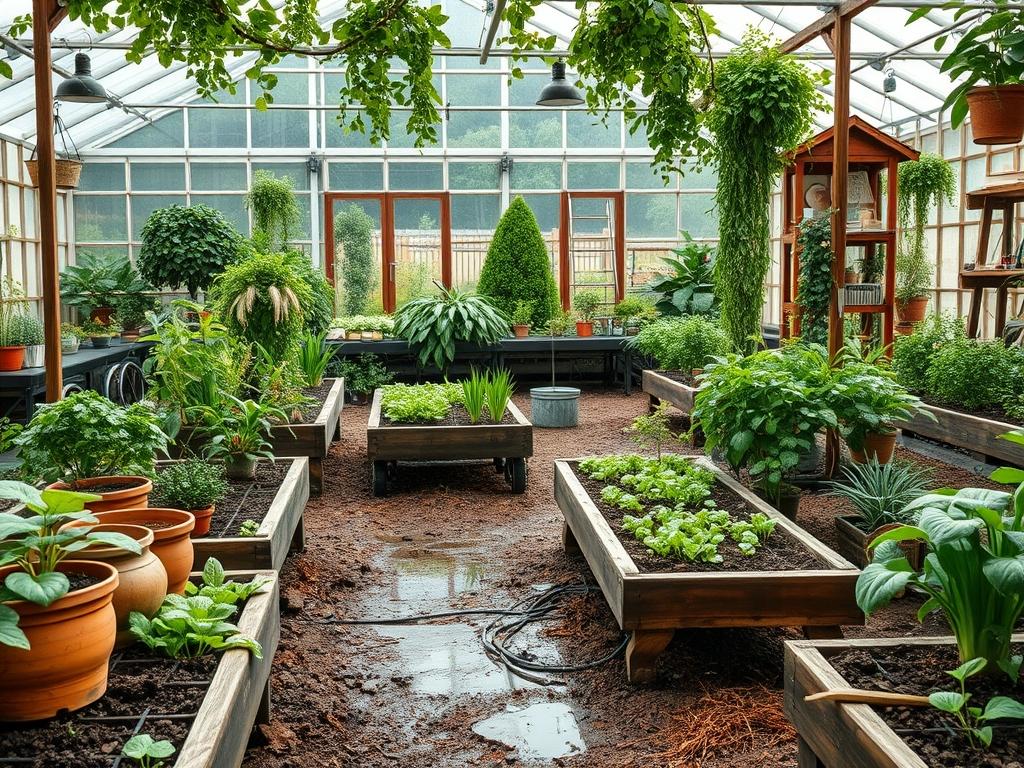
The quintessential English cottage garden represents a deliberate harmony between architectural structure and botanical wildness. While the aesthetic appears effortless, achieving this look requires a sophisticated understanding of topography, soil chemistry, and spatial hierarchy. Homeowners often struggle with the transition from a traditional suburban lawn to a lush, flowering landscape because they underestimate the infrastructure required to support high-density planting. Climate considerations play a critical role, as the classic palette of Larkspur and Foxglove must be adapted to local hardiness zones to ensure longevity. Effective design boosts curb appeal by softening the rigid lines of a home’s foundation, creating an inviting transition between the built environment and the natural world. Beyond aesthetics, the functional goal of cottage landscaping is to create a self-sustaining ecosystem that manages stormwater runoff, provides shade, and offers a private sanctuary for outdoor living.
Landscape Design Principles
A successful cottage landscape relies on the tension between “hard” and “soft” elements. Symmetry and visual balance are achieved through the use of permanent structures, such as stone paths, woven wattle fences, or timber pergolas. These features provide a skeletal framework that prevents the garden from looking neglected during the winter months. Focal points are essential for directing the eye. A well-placed statue, a sundial, or a large terracotta urn can anchor a corner of the garden, providing a sense of purpose to the surrounding sprawl.
Elevation layers are the secret to the characteristic “wall of color” associated with English gardens. A professional architect designs in three distinct tiers: the background, the mid-border, and the foreground. The background typically consists of tall climbing roses or evergreen yews that provide a dark, solid contrast to lighter blooms. The mid-border holds the bulk of the perennials, while the foreground features low-growing “spillers” like Creeping Thyme or Sweet Alyssum that soften the edges of walkways.
To maintain this density, irrigation planning must be integrated into the design phase. Drip systems are preferred over oscillating sprinklers because they deliver water directly to the root zone, reducing the risk of fungal diseases on the foliage of Hollyhocks or Peonies. Furthermore, visual balance is maintained by repeating certain colors or textures throughout the space. If you plant Lavender at the entrance, repeating that silver-foliaged plant in the far corner creates a rhythmic flow that makes the landscape feel cohesive rather than chaotic.
Plant and Material Selection
The following table outlines the foundational plants and materials used in creating a resilient and authentic cottage aesthetic. Selecting the right species for your specific drainage profile and sunlight availability is the most important step in the planning process.
| Plant Type | Sun Exposure | Soil Needs | Water Demand | Growth Speed | Maintenance Level |
| :— | :— | :— | :— | :— | :— |
| English Rose | Full Sun | Rich, Well-Drained | High | Medium | High |
| English Lavender | Full Sun | Sandy, Alkaline | Low | Medium | Low |
| Delphinium | Full Sun | Fertile, Loamy | Medium | Fast | High |
| Boxwood | Partial Shade | Adaptive | Medium | Slow | Moderate |
| Catmint | Full Sun | Average | Low | Fast | Very Low |
| Foxglove | Partial Shade | Moist, Acidic | Medium | Moderate | Moderate |
| Lady’s Mantle | Shade/Part Sun | Moist | Medium | Moderate | Low |
| Clematis | Full Sun Top/Shade Root | Rich, Cool | High | Fast | Moderate |
For hardscaping materials, professionals prefer natural textures. Use weathered brick, deconstructed granite, or flagstone for paths. Avoid modern, polished concrete or large-scale suburban pavers, as they clash with the organic feel of the cottage style. Natural cedar for gates and fencing provides a soft, grey patina over time that blends into the background of the foliage.
Implementation Strategy
The implementation of a cottage garden begins with thorough site preparation. First, address the grading of the land. The ground must slope away from the home foundation at a rate of at least one inch per foot for the first ten feet to ensure proper drainage. Once the slope is established, use a trenching spade to define the shape of your garden beds. Deep, sweeping curves are more effective than sharp angles in this style.
Next, focus on the soil. Cottage gardens are nutrient-hungry environments. Incorporate at least four inches of organic compost or well-rotted manure into the top twelve inches of soil using a power tiller or a garden fork. This improves the tilth and ensures that the high-density planting does not exhaust the soil within the first season.
For the hardscaping, excavate walkways to a depth of six inches. Lay down a geotextile fabric to prevent weed growth and migration of materials, then add a four-inch layer of compacted crushed stone for a stable sub-base. Top this with two inches of pea gravel or weathered brick. The use of steel edging or low stone walls can keep the gravel from spilling into the flower beds.
Finally, when planting, follow the spacing recommendations on the plant tags but group them in “drifts” of three, five, or seven. This mimics nature and prevents the “polka-dot” look of isolated plants. Apply a three-inch layer of hardwood mulch or pine bark around the base of the plants to regulate soil temperature and suppress weeds. Ensure that the mulch does not touch the stems of the plants directly, as this can invite rot and pests.
Common Landscaping Failures
The most frequent error in English cottage landscaping is improper spacing. Beginners often plant too closely because they want an instant “filled-in” look, but within two seasons, this leads to root overcrowding and poor air circulation. When plants are jammed together, they compete for the same nutrients and become susceptible to powdery mildew and aphids.
Another critical failure is neglecting the soil compaction that occurs during construction or heavy foot traffic. Compacted soil lacks the pore space necessary for Oxygen to reach the roots, essentially suffocating the plant. Always aerate the soil before planting.
Inadequate drainage is also a silent killer. Even moisture-loving plants like Hydrangeas cannot sit in stagnant water. If your yard has heavy clay, you must install a French drain or create a dry creek bed to move excess water away from the root zones of your perennials. Similarly, inefficient irrigation can be problematic. Avoid overhead watering in the evening; if the foliage stays wet overnight, it becomes a breeding ground for pathogens.
Seasonal Maintenance
Landscape management is a year-round commitment. In the spring, focus on soil health and pruning. Apply a fresh layer of compost and cut back any dead perennial stalks left over from winter. This is also the ideal time to divide oversized clumps of Daylilies or Hostas to keep them manageable.
During the summer, the priority shifts to deadheading. Removing spent blooms from Roses and Salvia encourages a second flush of flowers and prevents the garden from looking ragged. Monitor your irrigation system weekly, checking for clogged emitters or broken lines, especially during periods of extreme heat.
Autumn is the season for preparation. Plant your spring-flowering bulbs like Tulips and Daffodils at a depth of three times the bulb’s height. This is also the time to apply a thick layer of mulch to insulate the roots of tender perennials against the upcoming frost. Clean your tools, including shears and loppers, with a solution of bleach and water to prevent the spread of disease.
In the winter, the focus is on “structural” maintenance. Inspect retaining walls for shifting and repair any damage to wooden trellises. For colder climates, wrapped protection for climbing roses or sensitive topiaries might be necessary to prevent windburn and desiccation.
Professional Landscaping FAQ
How do I prevent my cottage garden from looking messy?
Maintain a disciplined “hard” edge. Using brick edging or low boxwood hedges provides a clean line that contains the overflowing flowers, signaling that the lush growth is intentional and not a result of neglect.
What is the best mulch for cottage-style beds?
Use an organic bark mulch or compost. Avoid dyed red or black mulches, as they appear synthetic and distract from the natural colors of the plants. Organic options improve the soil as they decompose over time.
Can I achieve this look in a shaded yard?
Yes. Focus on shade-tolerant species like Digitalis, Bleeding Hearts, and Astilbes. Use lighter-colored foliage and white flowers to brighten dark corners, and incorporate ferns to provide the necessary texture and volume.
How much does a professional irrigation system cost for this?
Costs vary by square footage, but a professionally installed drip irrigation system typically ranges from two to five dollars per square foot. It is an essential investment for protecting the high-value plants in a cottage garden.
Do I need a retaining wall for a sloped yard?
If the slope exceeds a thirty-degree angle, a retaining wall is recommended. This prevents erosion and allows you to create level “terraces” which are much easier to plant and maintain using the cottage style.