
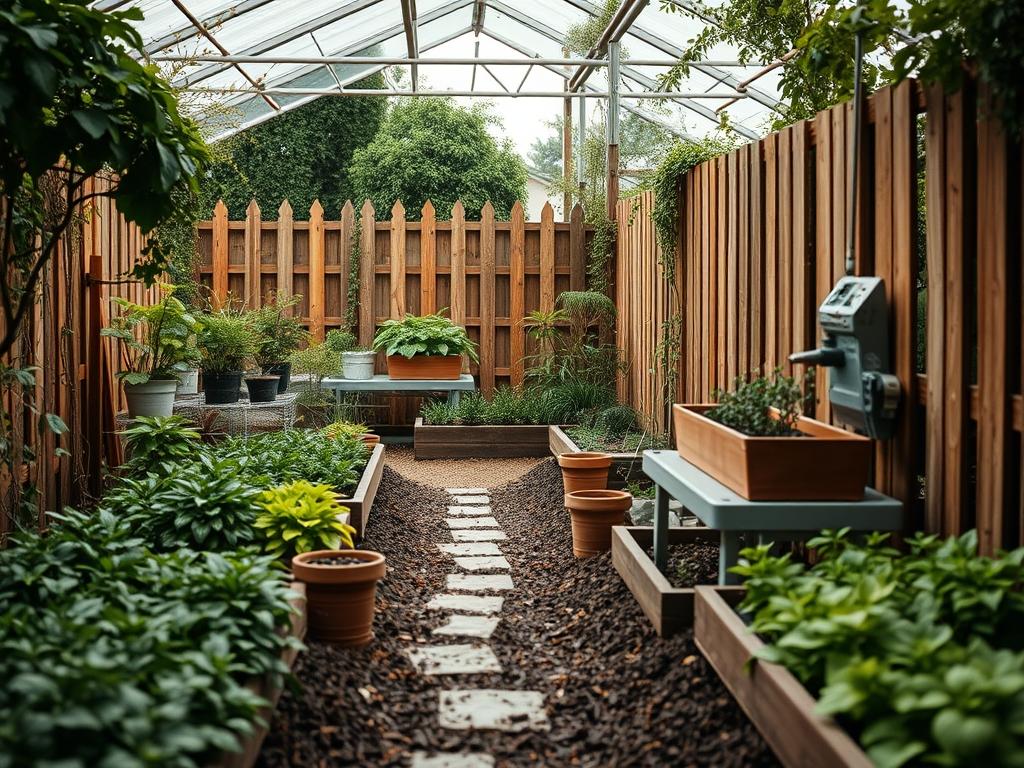
Creating a functional outdoor sanctuary requires more than just a list of flora; it necessitates a deep understanding of spatial geometry, horticultural science, and architectural intent. When we discuss Natural Privacy Fences, we are looking at the integration of living barriers that provide security, sound attenuation, and wind protection without the harsh, static lines of traditional timber or vinyl fencing. A well designed green screen transforms a boundary into a living tapestry that breathes and evolves with the seasons. It begins with an assessment of the site’s microclimate, analyzing sun paths and prevailing winds to ensure the longevity of the chosen species. Modern landscaping seeks to solve the problem of urban density by using biology to recapture seclusion. This approach enhances curb appeal and increases property value, turning a simple perimeter into a primary focal point of the landscape. Success depends on the balance between aesthetic aspiration and the pragmatic realities of soil chemistry, drainage, and long term maintenance cycles.
Landscape Design Principles
Effective landscape design relies on the core concepts of symmetry, focal points, and elevation layers. When planning Natural Privacy Fences, the goal is often to create a soft, undulating line rather than a rigid, monolithic wall. To achieve this, architects utilize a technique called layered planting. This involves placing tall, upright evergreens in the background, medium height shrubs in the midground, and lower perennials or groundcovers in the foreground. This staggered approach eliminates the tunnel effect that occurs when single rows of trees are planted too close to a walkway or property line.
Visual balance is achieved by repeating certain textures or colors throughout the length of the barrier. For example, if you use a deep green needle evergreen for height, you might complement it with a broadleaf shrub that offers a variegated leaf pattern. Elevation change is another vital tool. By creating a slight berm, a raised mound of soil usually measured at 12 to 24 inches in height, you can gain immediate privacy with smaller, less expensive plant specimens.
Irrigation planning must be integrated into the design phase. A professional layout typically includes drip irrigation lines hidden beneath a layer of hardwood mulch. This ensures that water reaches the root zones directly, which is crucial for establishing large scale privacy screens. Walkways and hardscaping elements like flagstone paths or poured concrete edges should be mapped first to define the planting beds. These boundaries prevent lawn grass from encroaching into the root zones and provide a clean, professional finish to the installation.
Plant and Material Selection
Selecting the right species involves weighing growth rates against ultimate size and maintenance needs. Fast growing trees are often desired for immediate results, but they frequently require more pruning and may have shorter lifespans. Conversely, slow growing varieties provide more structural stability and require less intervention over time.
| Plant Type | Sun Exposure | Soil Needs | Water Demand | Growth Speed | Maintenance Level |
| :— | :— | :— | :— | :— | :— |
| Thuja Green Giant | Full Sun to Part Shade | Moist, Well-drained | Moderate | Fast | Low |
| Skip Laurel | Full Sun to Dense Shade | Slightly Acidic | Moderate | Medium | Medium |
| Leyland Cypress | Full Sun | Adaptable | Low once established | Very Fast | High |
| Techny Arborvitae | Full Sun to Part Shade | Loamy, Moist | Moderate | Medium | Low |
| Nellie Stevens Holly | Full Sun to Part Shade | Well-drained | Moderate | Medium | Low |
| Privet (Ligustrum) | Full Sun to Part Shade | Adaptable | Low | Fast | High (if formal) |
| Boxwood (Buxus) | Part Shade to Shade | Well-drained | Moderate | Slow | Medium |
The use of hardscaping materials is equally important. Drainage tile and crushed stone are often buried beneath the surface in areas with heavy clay soil to prevent standing water. Furthermore, the selection of premium organic compost to amend the native soil will dictate the first three years of growth performance. Using a slow-release fertilizer during the planting phase provides the necessary nutrients for root establishment without burning the delicate feeder roots.
Implementation Strategy
The physical implementation of a landscape plan begins with site preparation and grading. You must ensure that the ground slopes away from any permanent structures to prevent water damage. Start by marking the perimeter with marking paint or surveyor’s tape. Once the lines are established, use a rototiller or a trenching spade to break up compacted soil. Removing large rocks and debris is essential before adding any amendments.
Next, dig the planting holes. A professional rule of thumb is to dig the hole twice as wide as the root ball but no deeper than the height of the root ball. This allows the roots to spread horizontally into the loosened soil. For a privacy hedge, spacing is critical. Plants like Emerald Green Arborvitae are typically spaced 3 feet apart on center, while larger species like the Green Giant may require 5 to 8 feet of clearance to reach their full potential.
After the plants are in the ground, install your edging. This can be anodized aluminum, heavy-duty plastic, or natural stone. Once the edging is set, apply a layer of double-shredded bark mulch at a depth of 3 inches. This mulch layer serves three purposes: it suppresses weeds, retains soil moisture, and regulates soil temperature. Finally, install a soaker hose or drip line system directly on top of the soil but under the mulch for maximum efficiency.
Common Landscaping Failures
The most common failure in home landscaping is improper drainage. When water pools around the base of an evergreen, it leads to root rot, a fungal condition that is often fatal by the time symptoms appear in the foliage. To avoid this, always test the percolation rate of your soil before planting. If water remains in a test hole after 24 hours, you must install a French drain or choose water tolerant species like Willow or Red Twig Dogwood.
Root overcrowding is another frequent mistake. Homeowners often plant trees too close together to get an instant wall effect. However, as the trees mature, they compete for the same nutrients and sunlight. This causes the interior branches to die back, creating “dead zones” where no foliage grows. Proper spacing, based on the mature width of the species, is the only way to ensure a healthy, long lived screen.
Soil compaction, often caused by heavy machinery during home construction, prevents air and water from reaching roots. If you are planting in a high traffic area, use an auger to loosen the soil deeply. Additionally, never mound mulch directly against the trunk of a tree; this is known as “volcano mulching” and it can rot the bark and invite pest infestations. Keep the mulch about 2 inches away from the main stem.
Seasonal Maintenance
Seasonal care is what separates a professional landscape from a neglected one. In the spring, your focus should be on cleaning and fertilization. Use a hand pruner to remove any branches damaged by winter ice or heavy snow. Apply a balanced 10-10-10 fertilizer just as the new growth begins to emerge. This is also the best time to refresh your mulch to maintain that 3 inch protective layer.
During the summer months, irrigation is the priority. Newly planted Natural Privacy Fences require deep watering at least twice a week, more during heat waves. Monitor for pests like bagworms or spider mites, which can defoliate an entire hedge in a single season. If you spot fine webbing or small cocoons, apply an insecticidal soap or neem oil treatment immediately.
Autumn is the season for structural pruning and soil testing. If your hedge is a formal variety like Privet, give it one last trim to maintain its shape before dormancy. It is also the perfect time to add bone meal or phosphorus-rich amendments to encourage root development over the winter. In winter, protection is key. For younger evergreens, a burlap wrap can prevent winter burn caused by drying winds. Ensure all irrigation lines are blown out with compressed air to prevent freezing and cracking.
Professional Landscaping FAQ
How long does it take for a natural fence to fill in?
Depending on the species, most Natural Privacy Fences take between 3 to 5 years to reach full density. Fast growing varieties like Leyland Cypress can close gaps in as little as 2 years if properly irrigated.
What is the best mulch for privacy hedges?
Double-shredded hardwood mulch is the professional choice. It stays in place better than wood chips and breaks down into organic matter that enriches the soil. Avoid dyed mulches, which can contain chemicals that may alter soil pH levels.
Can I grow a privacy fence in total shade?
Yes, though your options are more limited. Skip Laurel, Japanese Yew, and certain varieties of Boxwood thrive in low light conditions. Note that growth speed is usually slower in the shade compared to full sun environments.
How do I prevent my hedge from getting too tall?
Regular maintenance pruning is essential. Once the trees reach your desired height, you must trim the “leaders,” or top vertical shoots. This encourages the plant to put more energy into lateral growth, resulting in a thicker, bushier fence.
Do I need a permit for a living fence?
Generally, most municipalities do not require permits for planting trees or shrubs. However, always check local ordinances regarding “spite fences” or height restrictions near intersections. Maintaining clear sightlines for traffic is a common legal requirement for corner lots.