
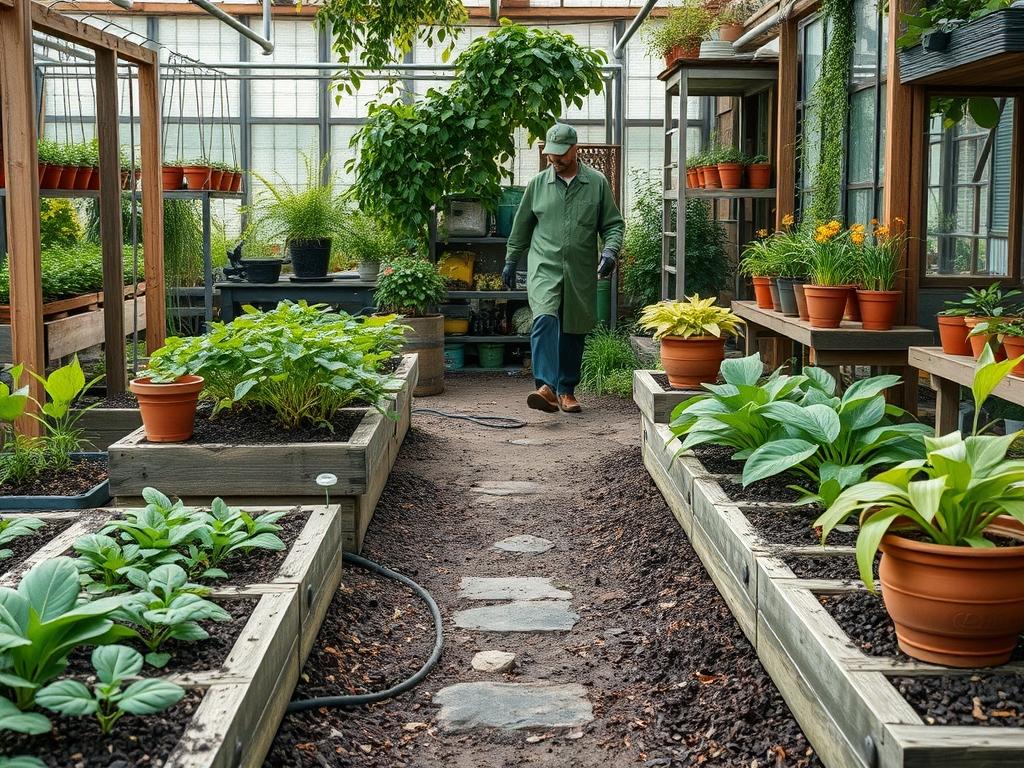
The transition from winter dormancy to the active growing season represents the most critical window for any property owner or manager. A successful spring garden reset involves more than just clearing debris or spreading a fresh layer of organic matter; it requires a systematic evaluation of the entire outdoor environment to ensure long-term ecological health and aesthetic value. As the soil temperature consistently reaches 50 degrees Fahrenheit, the biological activity within the landscape accelerates, making this the ideal moment to address structural deficiencies, soil compaction, and irrigation malfunctions. From a professional landscape architecture perspective, this period is viewed as a site remediation phase where we calibrate the relationship between the built environment and the living landscape. By focusing on site-specific data such as microclimates, drainage patterns, and soil pH levels, we can create a resilient outdoor space that enhances curb appeal while serving as a functional extension of the home.
Landscape Design Principles
Successful landscape design is rooted in the strategic application of spatial organization and visual weight. Symmetry provides a sense of formality and order, often achieved by mirroring plantings along a central axis like a primary walkway or a front entrance. However, for more naturalistic settings, asymmetrical balance uses groups of plants and hardscape elements of varying sizes to create a dynamic yet stable composition. Focal points, such as a large Specimen Tree or a custom Stone Fountain, serve to draw the eye through the space, providing a destination for the viewer. Without these anchors, a garden often feels cluttered or aimless.
Elevation layers are essential for creating depth and privacy. We typically categorize these into the foreground (low-growing groundcovers), the midground (shrubs and perennials), and the background (trees and tall privacy hedges). This tiered approach ensures that every plant is visible and contributes to the overall texture of the environment. Furthermore, irrigation planning must be integrated into the design phase rather than added as an afterthought. We recommend zoning systems based on hydrozones, where plants with similar water requirements are grouped together to prevent over-saturating Native Wildflowers while under-watering high-demand species. Walkways should be designed for both utility and circulation, using materials like Decomposed Granite or Pavers to guide movement while maintaining appropriate scale and proportion against the home architecture.
Plant and Material Selection
Selecting the right biology for your specific site conditions is the foundation of a low-maintenance, high-impact landscape. The following table outlines several reliable options for a variety of temperate landscape applications.
| Plant Type | Sun Exposure | Soil Needs | Water Demand | Growth Speed | Maintenance Level |
| :— | :— | :— | :— | :— | :— |
| Boxwood (Buxus) | Full Sun to Shade | Well-Drained | Moderate | Slow | Medium |
| Lavender (Lavandula) | Full Sun | Gritty, Alkaline | Low | Medium | Low |
| Serviceberry (Amelanchier) | Part Shade | Loamy, Acidic | Medium | Moderate | Low |
| Switchgrass (Panicum) | Full Sun | Adaptable | Low | Fast | Low |
| Oakleaf Hydrangea | Part Shade | Rich, Moist | High | Moderate | Medium |
| Creeping Thyme | Full Sun | Poor, Sandy | Very Low | Fast | Low |
Implementation Strategy
A professional spring garden reset begins with a thorough site grading assessment. Before any new plantings are installed, you must ensure that the ground slopes away from the foundation at a minimum of 2 percent grade to prevent hydrostatic pressure against the home. If low spots are identified in the lawn or garden beds, a French Drain or a dry creek bed should be installed to manage runoff effectively. Once the topography is stabilized, use a Manual Edger or a Power Edger to redefine the borders between turf and planting beds. Clean, crisp edges are the hallmark of professional maintenance and prevent invasive grass rhizomes from creeping into the mulch.
Soil preparation is the next priority. Avoid simply digging a hole; instead, cultivate the entire planting area to a depth of 12 inches to alleviate compaction. Incorporate high-quality compost to improve the cation exchange capacity of the soil. When installing new plants, ensure the root flare is visible and sits slightly above the surrounding grade. After the plants are in the ground, apply a consistent layer of Hardwood Mulch or Pine Bark. We recommend a depth of 3 inches for new beds, taking care to keep the material at least 2 inches away from the base of tree trunks and shrub stems to prevent rot. Hardscaping elements, such as Retaining Walls built from Natural Fieldstone, should be inspected for settling or shifting caused by the winter frost-thaw cycle.
Common Landscaping Failures
The most frequent error observed in residential resets is the failure to account for plant maturity. It is tempting to plant shrubs closely together for immediate impact, but this inevitably leads to root overcrowding and poor air circulation within three to five years. This lack of airflow creates a breeding ground for fungal pathogens and pests. Another significant issue is improper drainage. Pooling water near the root zone of non-riparian species leads to anaerobic soil conditions, effectively suffocating the plant. Professionals use Percolation Tests to determine how quickly water drains before selecting species for high-moisture areas.
Soil compaction is often overlooked but remains a primary killer of urban landscapes. Heavy foot traffic or construction equipment compresses the soil pores, preventing oxygen and water from reaching the root systems. Utilizing an Aerator in the spring can help mitigate this issue. Irrigation inefficiencies also take a toll; specifically, the misalignment of sprinkler heads that spray the siding of the house or the pavement rather than the root zones. Finally, over-mulching, sometimes called mulch volcanoes, can trap moisture against the bark of a tree and entice rodents to nest and chew through the vascular cambium, eventually killing the specimen.
Seasonal Maintenance
Landscape management is a year-round commitment that shifts focus as the environment changes. In the Spring, the priority is on cleaning, pruning dead wood, and initiating the fertilization schedule with a balanced 10-10-10 Fertilizer. This is also the time to apply pre-emergent herbicides to stop weed seeds from germinating. As we move into Summer, the focus shifts to irrigation management and pest monitoring. High-heat periods require deep, infrequent watering cycles to encourage deep root growth rather than shallow, frequent misting that evaporates quickly.
Autumn is the season for tactical plant installation and leaf management. The cooling temperatures and increased rainfall provide the perfect environment for root development without the stress of summer heat. Falling leaves should be removed from the turf to prevent smothering but can be shredded with a Mulching Mower and returned to the garden beds as organic nutrients. During Winter, the landscape consultant focuses on hardscape maintenance. Inspect Flagstone Walkways for cracks and ensure that Retaining Walls are draining correctly during rain events. This is also the best time for structural pruning of deciduous trees while their branching architecture is fully visible.
Professional Landscaping FAQ
How do I determine if my soil needs amendments?
Perform a professional soil test to measure nutrient levels and pH. If your soil is heavy clay, incorporate organic matter like Leaf Mold. If it is too sandy, add compost to improve water retention and nutrient availability for your Native Plants.
What is the best way to handle persistent drainage issues?
Evaluate the site for low spots where water collects. Consider installing a Catch Basin connected to a PVC Pipe to redirect water toward a legal discharge point or a rain garden designed to absorb excess runoff naturally through the soil.
When is the best time to prune spring-blooming shrubs?
Prune species like Forsythia or Lilac immediately after their flowers fade. Pruning them in early spring or winter will remove the buds that were set the previous year, resulting in a loss of color for the current season.
How deep should my mulch layer be for optimal health?
Aim for a depth of 2 to 3 inches. This provides enough coverage to suppress weeds and retain moisture without creating an anaerobic environment. Never pile mulch against tree trunks, as this holds moisture against the bark and causes decay.
How can I make my landscape more sustainable?
Incorporate Native Plants that are adapted to your local climate and require less supplemental irrigation. Reduce turf areas in favor of multi-layered planting beds, and use permeable materials like Crushed Stone for paths to allow rainwater to infiltrate the ground.