
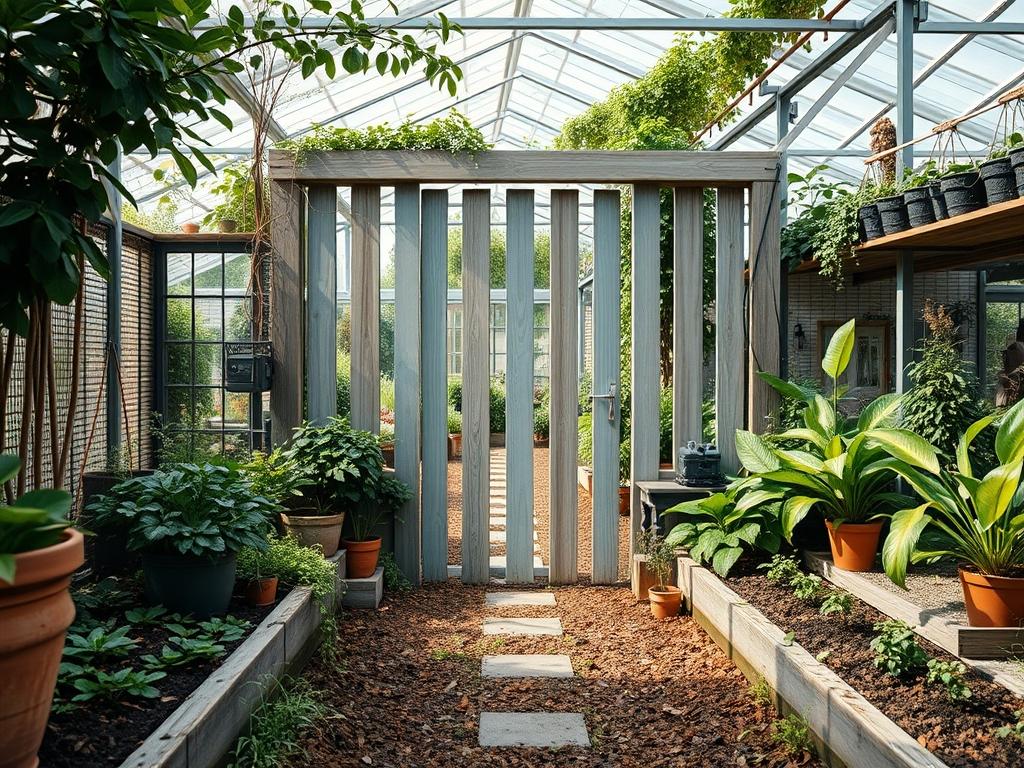
The transition from a public street to a private residence serves as the most critical psychological and aesthetic threshold in residential architecture. As a landscape architect, I approach the entry sequence not merely as a boundary, but as a multi sensory introduction to the property. A well designed modern gate must balance the rigid requirements of security with the fluid beauty of a curated landscape. Homeowners often struggle with the duality of these needs, fearing that a high security gate might feel fortress like or uninviting. However, 15 modern gate and entry designs have emerged as industry standards for their ability to blend strength with sophistication. These include Horizontal Steel Slats, Laser-Cut Aluminum Panels, Frosted Tempered Glass, Pivot Gates, and Corten Steel Walls. By utilizing materials like Western Red Cedar for warmth or Black Powder Coated Aluminum for modern longevity, we can create a secure perimeter that enhances curb appeal. The selection of a gate style determines the site’s primary axis; a 6-foot wide sliding gate requires different spatial considerations than a 12-foot bi-fold system. Every entry project starts with the site’s topography, ensuring that the grading allows for smooth operation while directing surface water away from the structural footings. When these functional elements align with thoughtful plant placement, the home’s exterior becomes a cohesive, secure environment.
Landscape Design Principles
Successful modern entryways rely on the fundamental principle of visual hierarchy. The gate acts as the primary focal point, but it requires supporting elements to feel anchored. Symmetry often plays a significant role in formal modernism, where matching Concrete Gabion Pillars flank a central entrance. Conversely, asymmetrical designs allow for a more organic flow, using a single Pivot Gate offset by a wider Retaining Wall of natural stone. Elevation layers are equally vital. By incorporating low-profile Planter Boxes at the 18-inch height range and mid-level shrubbery behind the gate, we create a sense of depth that makes a property feel larger.
Pedestrian walkways should provide a clear, unobstructed path from the street to the door. We often specify Permeable Pavers or Sand-Set Flagstone to manage runoff while providing a stable walking surface. Visual balance is maintained through the intersection of hard and soft surfaces. If the gate is a heavy, dark material like Wrought Iron, the surrounding greenery should be airy and light, such as Ornamental Grasses. Irrigation planning must be integrated early; running 1-inch PVC mainlines under the driveway or walkway ensures that the flora framing the entry receives consistent hydration without visible hoses. Lighting also serves as a security and design tool. Low Voltage LED Path Lights and Up-lighting on majestic trees create a welcoming glow that discourages intruders while highlighting the architectural features of the gate.
Plant and Material Selection
Selecting the right biological and structural components ensures the entryway remains vibrant throughout the year while requiring minimal intervention.
| Plant Type | Sun Exposure | Soil Needs | Water Demand | Growth Speed | Maintenance |
| :— | :— | :— | :— | :— | :— |
| Japanese Boxwood | Full Sun / Part Shade | Well-Drained | Moderate | Slow | High (Pruning) |
| Blue Oat Grass | Full Sun | Sandy / Loam | Low | Medium | Very Low |
| Emerald Green Arborvitae | Full Sun | Moist / Enriched | Moderate | Medium | Low |
| Creeping Thyme | Full Sun | Poor / Rocky | Low | Fast | Low |
| Dwarf Fountain Grass | Full Sun | Versatile | Low | Fast | Annual Cutback |
| Star Jasmine | Part Shade / Sun | Fertile | Moderate | Fast | Periodic Training |
In addition to plants, modern entries rely on 3/4-inch Crushed Basalt, Shredded Cedar Mulch, and Stainless Steel Hardware. These materials provide the texture and contrast necessary to make a Modern Gate and Entry feel intentional and professional.
Implementation Strategy
The transition from blueprint to backyard requires a methodical approach to ground preparation and installation. We begin with a thorough site survey to identify Utility Lines and determine the slope. Proper Grading is the cornerstone of any landscape; the ground must slope away from the home at a minimum of 2 percent to prevent basement flooding. After the rough grade is established, we mark the footprints for the gate posts. For a secure entry, posts should be set in concrete footings that reach below the frost line, typically 36 to 42 inches deep in temperate climates.
Once the structural posts for the Modern Gate are cured, we move to the hardscaping phase. This involves laying the base for walkways using 4 inches of compacted Class 5 Gravel followed by a 1-inch sand setting bed. Edging is vital here; we use Aluminum Landscape Edging or Steel Stakes to keep the pavers from shifting over time. After the hard surfaces are in place, the irrigation system is installed, ensuring headers are positioned to avoid spraying the metal or wood gate directly, which prevents premature weathering. Finally, we address soil health. We incorporate 3 inches of organic compost into the planting beds before placing the species identified in our design. A finished layer of 2 inches of Dark Walnut Mulch is applied to retain moisture and suppress weeds, giving the entry a clean, professional finish.
Common Landscaping Failures
The most frequent mistake in entry design is neglecting the growth potential of perimeter plants. A Leyland Cypress planted too close to a Modern Gate will eventually interfere with the gate’s mechanical swing or sliding track, leading to expensive repairs. Root overcrowding can also lift Concrete Walkways, creating tripping hazards and unsightly cracks. To avoid this, always research the mature spread of a species and provide at least 3 feet of clearance from hard structures.
Drainage inefficiencies represent another significant failure point. If the area around the gate is a low spot, water will pool, leading to soil compaction and root rot. In these cases, a French Drain or a Dry Well must be installed to redirect overflow. Improper spacing of security sensors is also common. If we plant dense foliage directly in front of Motion Detectors or Infrared Beams, wind-blown branches will trigger constant false alarms. Finally, failing to account for the weight of the gate can lead to post-sag. A heavy Custom Corten Steel Gate requires reinforced footings and heavy-duty Ball-Bearing Hinges to remain level over decades of use.
Seasonal Maintenance
To preserve the integrity of a high-end entry, maintenance must be a year-round commitment. In the Spring, the focus is on rejuvenation. We prune any winter-killed branches, apply a slow-release 10-10-10 Fertilizer, and check the gate’s motor or hinges for lubrication needs. This is also the time to refresh the Mulch to maintain a consistent 2-inch depth.
Summer maintenance revolves around water management and weed control. During heat waves, supplemental hand-watering may be necessary for newly established plants. We monitor for pests like aphids or spider mites that can thrive in the heat. As we move into Autumn, we focus on cleanup. Falling leaves must be cleared from gate tracks and drainage grates to prevent clogs. We also plant spring-flowering bulbs and apply a final round of pre-emergent herbicide to minimize weed growth in the coming year. In Winter, the priority shifts to protection. We avoid using harsh rock salt near the gate or plants, as it corrodes metal and kills roots; instead, we use Calcium Magnesium Acetate or sand for traction. If a heavy snow occurs, we gently brush it off delicate evergreens to prevent branch breakage.
Professional Landscaping FAQ
How do I choose the best gate material for a coastal environment?
For coastal areas, prioritize Anodized Aluminum or Marine-Grade Stainless Steel. These materials resist salt spray corrosion. Avoid standard wrought iron, which will rust rapidly without constant painting and specialized coatings to protect the metal from the humid, salty air.
What is the ideal width for a residential vehicle entry?
A standard single-car driveway requires a gate width of at least 10 feet. However, if the entry is positioned on a curve or serves larger delivery vehicles, a width of 12 to 14 feet is recommended to ensure safe clearance.
Can I integrate smart technology into a wooden gate?
Yes, but you must account for the wood’s natural expansion and contraction. Use Adjustable Steel Frames to house the electronics and strikers. This ensures the Smart Lock and sensors remain aligned regardless of the humidity levels affecting the timber.
How deep should my landscape edging be installed?
A professional installation typically places edging 4 inches into the ground. This depth is sufficient to prevent the roots of turf grass from encroaching into your decorative stone or mulch beds, maintaining the sharp lines characteristic of modern landscape design.
Do modern gates require a dedicated drainage system?
If the gate is at the bottom of a slope, a Trench Drain installed across the driveway is essential. It prevents water and silt from accumulating in the gate track, which can burn out the motor and cause structural shifting over time.