
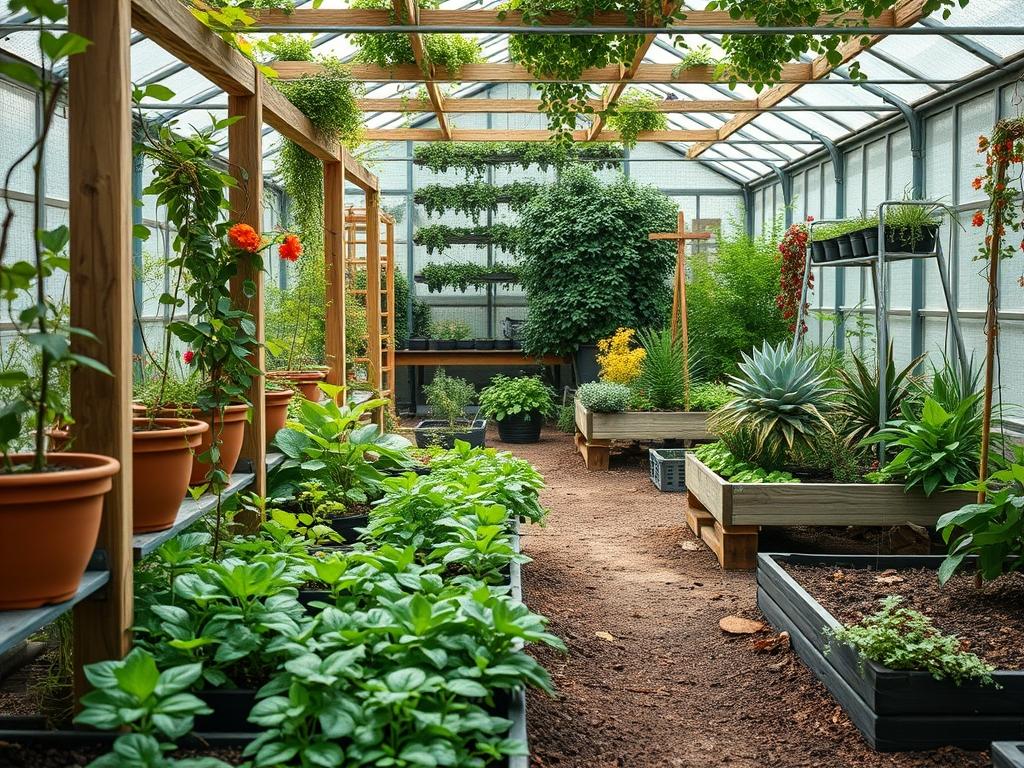
Vertical design serves as the essential bridge between the rigid architecture of a home and the fluid, organic movements of a garden. Many homeowners face the challenge of a two dimensional landscape where the eye remains fixed at ground level, which often results in a lack of spatial depth and diminished curb appeal. By introducing an arbor or trellis, a landscape architect creates a vertical plane that draws the viewer’s gaze upward, fundamentally transforming the outdoor living experience. These structures are not merely decorative; they function as transitions between distinct garden rooms or as structural anchors for privacy. In regions with intense summer heat, a well placed arbor provides a natural cooling effect through transpiration and shade. Conversely, in colder climates, a sturdy trellis offers a visual skeleton that maintains interest even after the foliage has retreated. Success in arbor and trellis design requires a deep understanding of structural integrity, local climate pressures, and the growth habits of the intended flora.
Landscape Design Principles
Effective arbor and trellis design begins with the concept of visual weight and symmetry. If a structure is too dainty, it disappears against the backdrop of a large house; if it is too massive, it overwhelms the delicate texture of native plants. Achieving balance involves aligning the structure with existing architectural lines, such as the height of the first floor windows or the pitch of the roofline. Elevation layers are equally vital. A professional designer considers three distinct heights: the groundcover layer, the mid-tier shrubbery, and the vertical canopy provided by the arbor. This creates a tiered effect that feels natural and immersive.
Focal points are the next priority. An arbor should lead the eye toward something significant, such as a water feature, a specimen tree, or a shaded seating area. It acts as a gateway, signaling a transition from a public space to a private sanctuary. Walkway integration is critical here. The path leading through an arbor should be constructed with durable materials like Flagstone or Decomposed Granite to handle increased foot traffic. Designers must also plan for irrigation at this stage. Integrating Drip Irrigation Lines into the vertical rungs ensures that climbing plants receive consistent moisture without wasting water on the structural wood or metal, which helps prevent rot and corrosion over time.
Plant and Material Selection
The longevity of your structure depends heavily on matching materials to environmental stressors and selecting plants that the structure can actually support. Pressure-treated pine is a common budget-friendly choice, but for a high-end look, Western Red Cedar or Redwood offer natural rot resistance and superior aesthetics. For modern environments, Powder-coated steel or Wrought iron provides a sleek profile and exceptional strength for heavy, woody vines.
| Plant Type | Sun Exposure | Soil Needs | Water Demand | Growth Speed | Maintenance Level |
| :— | :— | :— | :— | :— | :— |
| Wisteria sinensis | Full Sun | Well-drained loam | Moderate | Very Fast | High (Pruning) |
| Clematis armandii | Part Sun/Shade | Rich, moist soil | High | Moderate | Medium |
| Climbing Rose | Full Sun | Neutral pH, fertile | High | Moderate | High (Deadheading) |
| Lonicera sempervirens | Sun/Part Sun | Adaptable | Low | Fast | Low |
| Trachelospermum jasminoides | Sun/Part Shade | Loamy, well-drained | Moderate | Moderate | Medium |
| Campsis radicans | Full Sun | Poor to average | Low | Aggressive | High (Containment) |
Implementation Strategy
The transition from a blueprint to a physical structure requires precise site preparation and hardscaping knowledge. Begin with a thorough analysis of the site’s grading. If the area where the arbor will stand is prone to pooling water, you must install PVC drainage pipes or a French drain system to divert runoff. Soil compaction is a common issue in suburban lots, so use a Garden spade or Power auger to loosen the soil in a wide radius around the planting site before any construction begins.
Once the site is prepared, focus on the footings. For a standard residential arbor, dig holes at least 24 inches deep to ensure the structure sits below the frost line. Fill the base with 3 inches of gravel to enhance drainage, then set your 4×4 or 6×6 Cedar posts in Quick-set concrete. Use a Spirit level to ensure the posts are perfectly vertical; even a slight tilt will be magnified once the crossbeams and rafters are installed.
After the structure is secure, turn your attention to the garden layout. Use Bender board or Metal edging to define the planting beds at the base of the trellis. This prevents lawn grass from encroaching on the climbers. Apply a 3-inch layer of hardwood mulch around the base of the plants, keeping the mulch a few inches away from the stems to prevent fungal infections. If the design includes a nearby Retaining wall, ensure the arbor rests on stable, undisturbed soil rather than fresh backfill to prevent settling.
Common Landscaping Failures
The most frequent error in arbor and trellis design is the failure to account for the eventual weight of the plants. A young Wisteria vine looks light and manageable, but within a decade, its woody trunk can exert enough force to crush a standard lattice trellis. Designers must specify 2-inch galvanized screws and heavy-duty brackets rather than simple nails to maintain structural integrity.
Another common failure is improper drainage near the footings. If water is allowed to sit at the base of a wooden post, even rot-resistant lumber will eventually fail. Always slope the concrete footers slightly away from the post to shed water. In terms of horticulture, root overcrowding is a silent killer. Homeowners often plant three or four different species at the base of a single trellis, leading to a nutrient war that none of the plants win. Providing at least 18 inches of spacing between different vine species allows for adequate root expansion. Finally, irrigation inefficiencies frequently occur when spray heads are blocked by the arbor’s structure, leaving the interior plants desiccated while the exterior remains overwatered.
Seasonal Maintenance
A professional landscape requires a four-season management plan to protect the investment. In Spring, the primary goal is structural inspection and fertilization. Check all joints and fasteners for loosening due to winter’s freeze-thaw cycles. Apply a 10-10-10 slow-release fertilizer to the base of the climbers to jumpstart the growing season. This is also the time to thin out dead wood from the previous year.
During the Summer, focus on moisture management and training the vines. Use Soft garden twine or Velcro plant ties to guide new growth along the trellis rungs. Check the Drip irrigation emitters weekly to ensure they are not clogged by mineral deposits or debris. In Autumn, clear away fallen leaves and spent blooms to prevent pests like aphids or spider mites from overwintering in the debris. If you have sensitive plants, apply a fresh layer of mulch to insulate the roots. Winter is the best season for heavy structural pruning of deciduous vines. Since the leaves are gone, you can clearly see the “skeleton” of the plant and remove any crossing branches that might cause friction and bark damage.
Professional Landscaping FAQ
How do I choose the best material for a humid climate?
For high-humidity regions, use Powder-coated aluminum or VPC vinyl. These materials do not rust or rot like iron or untreated wood. If you prefer the look of wood, Western Red Cedar contains natural oils that resist decay and insect infestation.
What is the ideal width for a walk-through arbor?
A functional arbor should have a minimum interior width of 48 inches. This allow two people to walk through comfortably or one person with a Garden cart. For a more grand, estate-like feel, specify a width of 60 to 72 inches.
Can I grow climbing plants on a trellis attached to my house?
Yes, but you must leave at least 4 to 6 inches of air space between the trellis and the siding. Use Standoff brackets to ensure airflow. This prevents moisture from being trapped against the house, which can lead to mold or paint failure.
How deep should the support posts be buried?
Posts should be buried at least 24 to 36 inches deep, depending on your local frost line. Approximately one-third of the post should be underground. Using a Gravel base before pouring concrete ensures that water drains away from the bottom of the wood.
How do I prevent my climbing roses from becoming a tangled mess?
Prune the main canes so they grow horizontally along the trellis rungs rather than vertically. This stimulates the growth of lateral shoots, which produce more flowers. Use Gardening shears to remove weak or spindly growth at the start of each spring.