
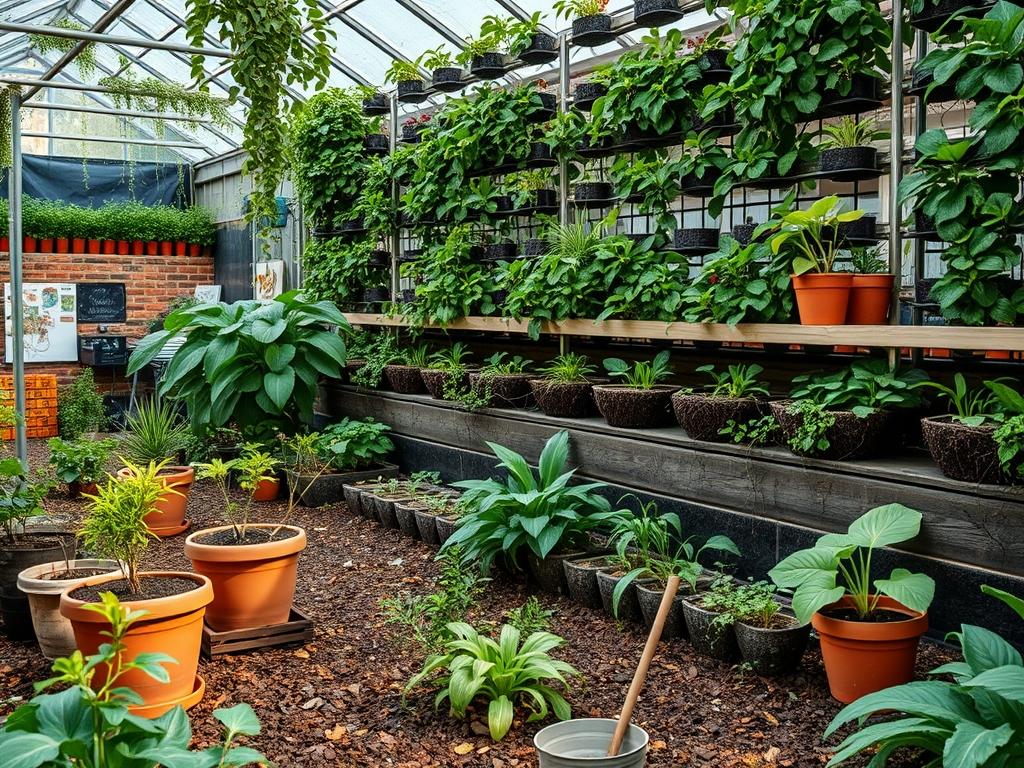
Vertical landscaping has transformed the way modern designers approach spatial boundaries, moving beyond traditional fencing to embrace bio-active structures that breathe, cool, and evolve. A living wall divider serves as more than just a visual screen; it acts as a functional architectural element that mitigates urban noise, captures airborne particulates, and provides a psychological sense of enclosure without the harsh sterility of concrete or timber. When planning these installations, a landscape consultant must balance the aesthetic desire for lush greenery with the technical realities of structural load, moisture management, and plant physiology. Identifying the correct species for your specific microclimate is the first step in ensuring the long term viability of the installation. A successful project requires a deep understanding of how light penetrates different elevations of the wall and how water moves through the vertical substrate.
The primary landscaping challenge often involves harmonizing the wall with existing site conditions while enhancing the overall curb appeal. For many homeowners, the goal is to create distinct outdoor rooms, such as a private dining area or a secluded lounge, within a larger backyard footprint. To achieve this, we must consider the environmental stressors and the functional goals of the space. Is the wall intended to block a wind corridor, or is it purely for privacy from a neighbor’s second-story window? These functional requirements dictate whether you should utilize a dense, evergreen screen or a more delicate, flowering tapestry. By viewing the living wall as a dynamic component of the broader landscape, you ensure that it complements the surrounding hardscaping and native plantings rather than appearing as an isolated, high-maintenance anomaly.
Landscape Design Principles
Effective vertical design relies on the core tenets of symmetry, focal points, and elevation layers. When we design a living wall divider, we treat the vertical plane much like a traditional garden bed, but with the added complexity of gravity. Symmetry does not necessarily mean an exact mirror image on both sides of the divider; rather, it refers to the visual weight of the plant massing. Using larger, bold-textured plants at the base creates a sense of stability, while finer-textured species toward the top give the structure an airy, light quality. This layering ensures the wall does not feel top-heavy or oppressive to those sitting near it.
Focal points are critical for directing the eye and creating interest. In a large living wall divider, you might integrate a cluster of vibrant or variegated species at eye level to break the monotony of a solid green mass. This can be achieved through strategic placement of Heuchera or Caladium, which offer striking foliage colors. Beyond aesthetics, irrigation planning is the most vital technical principle. We utilize hydrozoning, which is the practice of grouping plants with similar water needs together. In a vertical environment, the bottom layers naturally stay wetter due to gravity-fed drainage, so we position moisture-loving ferns at the base and drought-tolerant succulents or Mediterranean herbs at the summit.
Walkways and site circulation also play a role in how a divider is positioned. A wall should never impede the natural flow of traffic; instead, it should guide it. By placing a divider parallel to a bluestone walkway, you create a corridor effect that makes the transition from one garden zone to another feel intentional and immersive. Visual balance is maintained by matching the scale of the wall to the surrounding architecture. A 10-foot high wall might overwhelm a small cottage but look perfectly proportional when paired with a modern, two-story residence.
Plant and Material Selection
Selecting the right biological components is the difference between a thriving ecosystem and a costly failure. The following table outlines high-performance species suited for various environments.
| Plant Type | Sun Exposure | Soil Needs | Water Demand | Growth Speed | Maintenance Level |
| :— | :— | :— | :— | :— | :— |
| English Ivy | Part Shade to Shade | Well-Drained | Moderate | Fast | Low |
| Star Jasmine | Full Sun to Part Shade | Loamy / Rich | Moderate | Medium | Moderate |
| Japanese Spurge | Full Shade | Humus Rich | High | Slow | Low |
| Blue Fescue | Full Sun | Gritty / Sandy | Low | Medium | Low |
| Creeping Fig | Part Sun to Shade | Standard Potting | Moderate | Fast | High (Pruning) |
| Stonecrop Sedum | Full Sun | Well-Drained / Dry | Low | Fast | Low |
| Sword Fern | Full Shade | Moist / Acidic | High | Medium | Moderate |
For the structural components, we prefer stainless steel frames or UV-rated high-density polyethylene (HDPE) modules. These materials resist the corrosive effects of constant moisture and nutrient-rich water. The growing medium should be a lightweight, inorganic-heavy mix to prevent compaction over time. We often specify a blend containing perlite, vermiculite, and coconut coir, which provides excellent aeration for root systems while retaining enough moisture to prevent rapid desiccation.
Implementation Strategy
The implementation of a living wall divider begins with site preparation and structural engineering. Before the first plant is placed, the ground must be leveled and graded to ensure that runoff moves away from the foundation of the home or any existing wooden structures. If the wall is a free-standing unit, a sub-base of 4 to 6 inches of compacted crushed stone is necessary to prevent settling. For permanent installations, we often install concrete footings or use heavy-duty steel anchors to secure the frame against wind loads.
Once the frame is secure, we install the waterproof backing, which protects the structural wall or divider frame from rot and mold. The next step is the installation of the irrigation system. We utilize 1/4-inch drip tubing with pressure-compensating emitters to ensure every plant receives an equal volume of water, regardless of its height on the wall. This system is usually connected to a smart irrigation controller that can be adjusted based on local weather data.
Planting should occur from the bottom up. Each specimen is removed from its nursery pot, and the root ball is slightly teased to encourage outward growth into the new medium. After the entire wall is planted, we apply a thin layer of organic mulch or moss if the system allows, though most modular systems are designed to be self-shading once the plants mature. Finally, we establish the surrounding hardscape. This might include a micro-clover lawn or a pea gravel border with aluminum edging to create a clean transition between the vertical wall and the horizontal landscape.
Common Landscaping Failures
The most frequent mistake in vertical gardening is a failure to account for drainage. If the water cannot exit the bottom of the wall freely, the lower levels will experience root rot, leading to a total collapse of the biological system. We mitigate this by including a French drain or a gravel-filled trench at the base of the divider to catch and redirect excess moisture. Another common issue is soil compaction. Using standard garden soil in a vertical tray is a recipe for disaster, as the weight of the water compresses the soil, squeezing out the oxygen that roots need to survive.
Improper spacing is another pitfall. In an attempt to make the wall look “finished” on day one, installers often overcrowd the plants. This leads to poor air circulation, which invites fungal diseases like powdery mildew. It is better to leave 3 to 5 inches of space between most species, allowing them to grow into the gaps naturally. Furthermore, many DIY projects fail because they ignore the weight of the water. A fully saturated living wall can weigh upwards of 30 pounds per square foot, requiring a frame and support system that can handle the load without bowing or snapping.
Seasonal Maintenance
A proactive maintenance schedule is essential for the longevity of a living wall divider.
Spring is the season for rejuvenation. This is when we perform deep pruning to remove any winter dieback and clear out spent foliage from the previous year. We also check the irrigation emitters for clogs caused by mineral buildup and flush the lines. A balanced, water-soluble fertilizer should be applied as the plants enter their active growth phase to replenish nutrients that may have leached out during the winter rains.
Summer maintenance focuses on hydration and pest management. During periods of extreme heat, the wall may require twice-daily watering cycles. We monitor for spider mites and aphids, which thrive in the warm, sheltered microclimate of a dense vertical garden. If the wall is in a high-wind area, we check the securing hardware to ensure there has been no loosening of the frame.
Autumn is the time for preparation. We reduce fertilization and gradually taper off the irrigation frequency as the plants begin to enter dormancy. Any tender perennials that cannot survive a freeze should be removed and replaced with more resilient species or temporary seasonal greens. We also ensure that the mulch depth is adequate at the base of any foundational plantings to insulate the roots.
Winter involves protection. In colder climates, we may install burlap wraps or frost blankets over sensitive walls to protect against desiccating winds. The irrigation system must be winterized, which involves blowing out the lines with compressed air and disconnecting the timer to prevent burst pipes. For evergreen walls, we occasionally provide a light manual watering on unseasonably warm days to prevent the foliage from drying out while the roots are inactive.
Professional Landscaping FAQ
How long does a living wall divider typically last?
With a galvanized steel frame and a professionally installed drip irrigation system, the structure can last 20 years or more. Individual plants may need replacing every 5 to 7 years as they outgrow their modular containers or reach the end of their lifecycle.
Do I need a special plumbing permit for the irrigation?
In most jurisdictions, a simple connection to an outdoor faucet does not require a permit. However, we always install a backflow preventer to protect your home’s potable water supply from being contaminated by fertilizers or stagnant water within the irrigation lines.
Can I grow vegetables in a living wall divider?
Yes, but they require more maintenance. Leafy greens, strawberries, and herbs like thyme and oregano thrive in vertical systems. You must ensure the wall receives at least 6 hours of direct sunlight and regular nutrient supplementation for these high-energy plants.
What happens to the wall during a power outage?
If your smart timer loses power, the irrigation may stop. Most professional systems have battery backups for the controller. If the outage is prolonged during a summer heatwave, you should manually soak the wall with a garden hose once per day.
Is it possible to install a wall on a wooden fence?
We do not recommend mounting a living wall directly onto a standard pressure-treated fence. The weight and constant moisture will cause the wood to fail prematurely. Instead, install a self-supporting frame placed just a few inches in front of the fence line.