
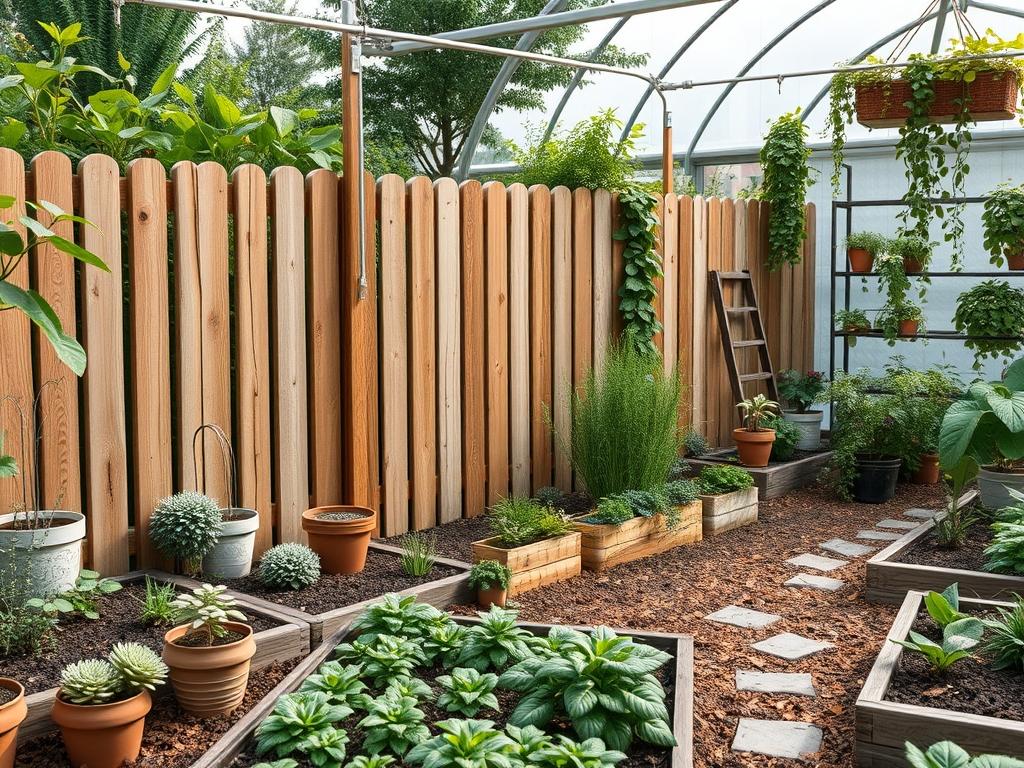
Selecting the right enclosure for a residential property involves much more than simply marking a boundary line. As a landscape architect, I view the perimeter as the frame of a living painting; it defines the spatial volume and sets the aesthetic tone for every other element in the garden. For many homeowners, the challenge lies in balancing privacy requirements with a desire for high-end curb appeal. Modern Wood Fencing has emerged as the premier solution for this dilemma, offering a Bridge between organic warmth and architectural precision. Before any holes are dug or boards are purchased, a designer must consider the microclimate of the site. Higher humidity levels or direct, punishing sun exposure will dictate which species of timber are viable. A fence is a significant investment that must withstand wind loads, soil moisture, and UV degradation while functioning as the primary backdrop for your curated plant collection.
Creating a cohesive outdoor environment requires a deep understanding of site orientation and the existing architectural lines of the home. When we discuss Modern Wood Fencing, we are often referring to clean, horizontal lines that elongate a property and provide a sense of movement. This contrasts with traditional vertical picket styles that tend to feel static or enclosure-heavy. By prioritizing the structural integrity of the fence and its relationship to the surrounding geography, we can transform a standard backyard into an sophisticated outdoor gallery. High-quality materials like Western Red Cedar, Ipe, or Redwood are frequently selected for their natural resistance to rot and their ability to age gracefully into a silver-grey patina or maintain a rich, warm hue with proper sealing.
Landscape Design Principles
Achieving a professional result requires adherence to several core design principles. Symmetry and visual balance are paramount. For instance, if a heavy, dark-stained wood fence is installed, it must be balanced by appropriate softscaping. This might include light-colored limestone pavers or airy, variegated foliage to prevent the space from feeling claustrophobic. Focal points are another critical consideration. A well-designed fence can lead the eye toward a specific destination, such as a custom water feature or a sculpted Japanese Maple.
Elevation layers also play a significant role in modern garden planning. We often integrate the fence with retaining walls built from Corten steel or poured concrete to manage slopes. This creates tiered planting beds that bring greenery to eye level. Irrigation planning must be addressed simultaneously. If you are installing a fence near a boundary line, you must ensure that your drip irrigation lines or sprinkler heads do not constantly saturate the wood. Excessive moisture is the primary enemy of timber longevity. Finally, walkways should follow the logic of the fence line, using geotextile fabric and crushed granite or basalt gravel to provide stable, well-draining paths that complement the modern aesthetic.
Plant and Material Selection
The following table outlines plants that pair exceptionally well with the clean lines of modern fencing, categorized by their specific needs and growth habits.
| Plant Type | Sun Exposure | Soil Needs | Water Demand | Growth Speed | Maintenance Level |
| :— | :— | :— | :— | :— | :— |
| Japanese Boxwood | Full Sun to Part Shade | Well-Drained | Low | Moderate | Low |
| Feather Reed Grass | Full Sun | Moist to Heavy Clay | Moderate | Fast | Low |
| Blue Star Juniper | Full Sun | Sandy or Rocky | Low | Slow | Low |
| Hydrangea Macrophylla | Part Shade | Rich and Moist | High | Fast | Moderate |
| Creeping Thyme | Full Sun | Well-Drained | Low | Moderate | Low |
| Emerald Green Arborvitae | Full Sun | Loamy and Moist | Moderate | Moderate | Low |
| Black Mondo Grass | Part Sun to Shade | Well-Drained | Moderate | Slow | Low |
Implementation Strategy
A successful backyard transformation begins with a precise site survey. You must identify property pins and utility lines before any excavation begins. Once boundaries are confirmed, the process moves to grading. Proper site leveling ensures that water flows away from both the house foundation and the fence posts. For Modern Wood Fencing, the installation of posts is the most critical phase. We recommend using galvanized steel posts hidden by wood sleeves or pressure-treated 4×4 lumber set in high-strength concrete. These posts must be set below the frost line, typically 24 to 36 inches deep, to prevent heaving during winter months.
After the skeleton of the fence is in place, the horizontal or vertical slats are attached using stainless steel screws to prevent “bleeding” or black streaks on the wood. Once the hardscaping is secure, we move to edging. Defining the border between the lawn and the planting beds using metal landscape edging provides that crisp, modern look. The final step in the physical layout is applying a consistent mulch depth of 3 inches across all beds. This suppresses weeds and retains moisture for the new plantings. Ensure the mulch is kept a few inches away from the base of the wood fence to avoid trapped moisture and subsequent fungal growth.
Common Landscaping Failures
One of the most frequent mistakes in professional landscaping is improper drainage. When a fence is built at the bottom of a slope without a French drain or gravel trench, it acts as a dam. Water pools against the boards, leading to rapid rot and soil instability. Another common issue is root overcrowding. Homeowners often plant Leyland Cypress or other large evergreens too close to the fence. As these trees mature, their secondary thickening can push against the structure, leaning the fence or snapping the rails.
Soil compaction is another silent killer of garden health. During the construction of a fence, heavy foot traffic and equipment crush the air pockets in the soil. This prevents oxygen from reaching plant roots and stops water from infiltrating the ground. Always till the soil and add organic compost after the fence is finished but before the plants go in. Lastly, irrigation inefficiencies often lead to failure. If spray heads are aimed directly at the wood, the constant wetting and drying cycle will cause the timber to warp, cup, and split prematurely. Use subsurface drip emitters near the fence line to keep the wood dry and the plants hydrated.
Seasonal Maintenance
A modern landscape requires a proactive management schedule to retain its value. In the Spring, inspect the fence for any loose fasteners or boards that have shifted during the winter. This is also the time to apply a pre-emergent herbicide to your planting beds and check your irrigation controller for proper timing. As we move into Summer, moisture management is the priority. Monitor your plants for signs of heat stress and ensure that the mulch hasn’t thinned out. If the wood has faded significantly, a gentle cleaning with a specialized wood soap can restore its appearance.
When Autumn arrives, focus on debris removal. Fallen leaves trapped against the base of a Modern Wood Fencing installation can promote rot and harbor wood-boring insects. This is the ideal season to apply a fresh coat of UV-resistant stain or sealer if the wood has reached the correct moisture content. Finally, during Winter, avoid using harsh de-icing salts near your fence or plantings, as the sodium can kill delicate roots and chemically damage the wood fibers. Examine the structural integrity of the fence after heavy snowfalls or windstorms to ensure no posts have been compromised.
Professional Landscaping FAQ
What is the best wood species for a modern fence?
Western Red Cedar and Ipe are the industry standards. Cedar offers natural tannins that resist rot and insects, while Ipe provides extreme density and a lifespan that can exceed forty years when maintained with UV-protective oils.
How do I prevent my horizontal fence from sagging?
Use a mid-span support or stiffener on the back of the panels. Ensure your post spacing is no more than six feet apart. High-quality stainless steel fasteners also prevent the wood from shifting or pulling away over time.
Can I install a modern wood fence on a steep slope?
Yes, you should use a stepped design rather than a racked design. Stepping the panels keeps the lines perfectly horizontal, which is essential for the modern aesthetic, though it requires custom-length posts and careful grading at each transition.
Does a wood fence require a concrete footing?
In most climates, yes. Setting posts in concrete footings provides lateral stability against wind. Ensure the concrete is sloped away from the post at the surface to prevent water from pooling at the critical ground-contact point.
How often should I restain my wood fence?
Generally, every two to three years depending on sun exposure. Using a penetrating oil stain rather than a film-forming paint allows the wood to breathe and makes future maintenance easier, as it will not peel or flake.