
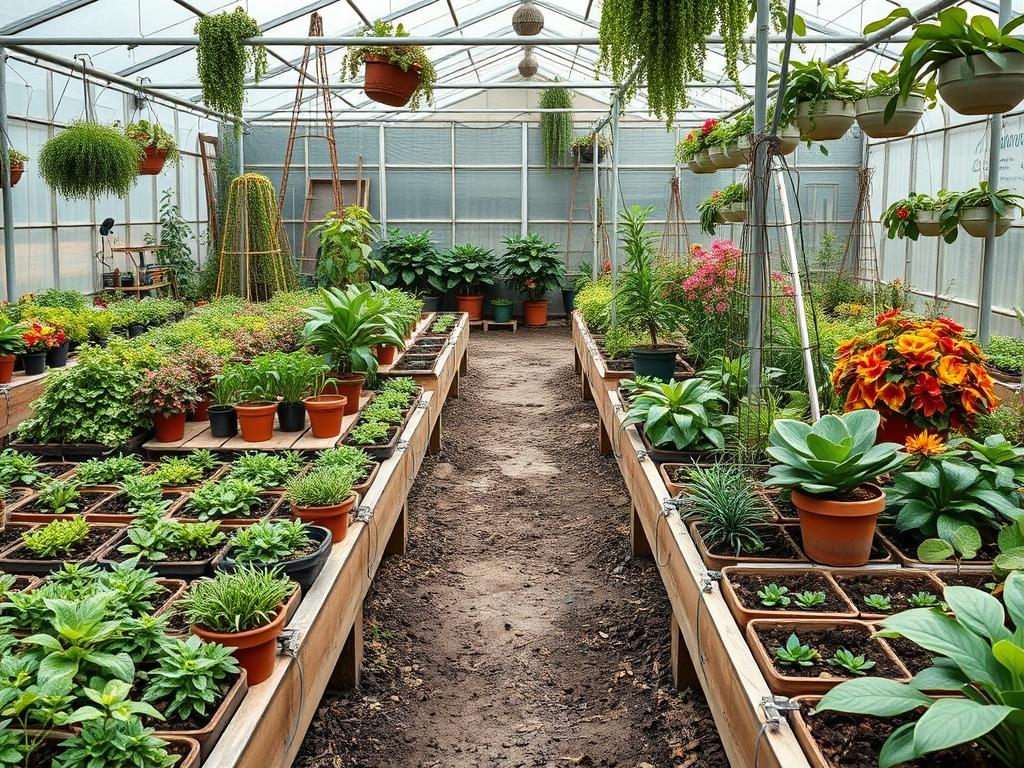
The art of creating a master landscape plan relies heavily on the psychological impact of the visible spectrum. When homeowners seek to transform a chaotic outdoor space into a sanctuary, the selection of calming color palates becomes the primary driver of the design. This process is not merely about choosing pretty flowers, but rather about understanding how light interacts with foliage and hardscape materials to influence the human nervous system. Transitioning to a cool-toned palette, consisting of blues, silvers, soft greens, and muted purples, can lower the perceived temperature of a garden by several degrees during the heat of summer. Professional consultants prioritize these tones to increase the functional window of the backyard, ensuring the space feels inviting even during peak sun hours. Beyond the immediate aesthetic, a cohesive color strategy enhances curb appeal by providing a sophisticated, curated appearance that suggests intentionality and high-level maintenance.
Landscaping challenges often arise when trying to balance these soft tones with the existing environmental constraints. A successful design must account for the specific climate, soil pH, and solar orientation of the site. In high-exposure areas, saturated blues may wash out under intense light, requiring the addition of silver-leaved plants to provide reflective texture. Conversely, in shaded corners, soft whites and pale yellows can brighten the space without introducing the high-energy vibration of bright reds or oranges. The goal is to create a seamless transition between the indoor living environment and the natural world, using color as the bridge that guides the eye through the property. By focusing on tranquility, a landscape architect can turn a simple plot of land into a restorative environment that maximizes both property value and personal well-being.
Landscape Design Principles
Achieving a calming environment requires more than just the right plants; it demands a rigorous adherence to core design principles. Symmetry plays a vital role in this process. While asymmetrical designs can be dynamic and exciting, symmetrical layouts provide a sense of order and predictability that reduces mental fatigue. This can be achieved through the balanced placement of Boxwood globes or matching Ceramic Planters at the entryway. Visual balance is further maintained by ensuring that the weight of the plantings is distributed evenly across the field of vision. If one side of the garden features a large, dark-leaved tree, the opposite side should contain a structural element of similar visual mass, such as a Stone Retaining Wall or a dense grouping of Ornamental Grasses.
Elevation layers add depth and interest to the monochromatic or analogous color scheme. By utilizing Stacked Fieldstone or Timber Retaining Walls, a designer can create distinct tiers that elevate the palate to eye level. This verticality allows for a more immersive experience, as the calming scents of Lavender or Jasmine are brought closer to the user. Focal points should be subtle. A solitary Basalt Bubbler Fountain or a minimalist Granite Bench serves as a destination for the eye without disrupting the overall sense of peace. Integration of infrastructure is equally important. Drip Irrigation Systems should be concealed beneath 3 inches of cedar mulch to ensure the greenery remains lush without the distracting sight of hoses or the sound of loud spray heads. Finally, walkways should be designed with wide, sweeping curves rather than sharp angles. Using soft materials like Decomposed Granite or Tumbled Bluestone Pavers encourages a slower walking pace, allowing the visitor to fully engage with the soothing environment.
Plant and Material Selection
The following table outlines high-performance plants and materials that align with a calming color strategy. These selections prioritize soft textures and muted tones to ensure a cohesive aesthetic.
| Plant Type | Sun Exposure | Soil Needs | Water Demand | Growth Speed | Maintenance Level |
| :— | :— | :— | :— | :— | :— |
| English Lavender | Full Sun | Well-Drained | Low | Medium | Moderate (Annual Pruning) |
| Blue Hosta | Full Shade | Loamy / Rich | Medium | Slow | Low |
| Russian Sage | Full Sun | Sandy / Poor | Low | Fast | Low |
| Silver Falls Dichondra | Part Sun | Well-Drained | Medium | Fast | Moderate (Trimming) |
| White Hydrangea | Part Shade | Moist / Organic | High | Medium | Moderate |
| Blue Fescue Grass | Full Sun | Average | Low | Medium | Low |
| Japanese Maple | Part Sun | Well-Drained | Medium | Slow | High (Specific Pruning) |
Implementation Strategy
The transition from a design on paper to a physical landscape requires a systematic approach to site preparation and installation. The process begins with Rough Grading, where the land is shaped to ensure that water flows away from the home foundation. Professional installers use Lasar Levels to verify that a minimum 2 percent slope is maintained across all turf and planting areas. Once the skeleton of the garden is established, 4-inch Corrugated Drainage Pipes are installed in critical areas to prevent standing water, which can lead to root rot in a sensitive, calming garden.
Following the grading, hardscaping elements like Edging and Retaining Walls are set. Steel Edging is a preferred material for calming designs because its slim profile creates a crisp, invisible line between the lawn and the planting beds. After the structural elements are in place, soil amendment is necessary. In many suburban environments, the soil is heavily compacted. Utilizing a Power Tiller to integrate organic compost and expanded shale can improve aeration and drainage. When planting, always dig holes that are twice as wide as the root ball to encourage lateral root growth. The final step in the installation is the application of a high-quality mulch. A Dark Brown Bark Mulch or Midnight Forest Humus provides a neutral backdrop that makes the soft blues and greens of the foliage pop. Professional designers recommend a depth of exactly 3 inches to suppress weeds while allowing the soil to breathe.
Common Landscaping Failures
One of the most frequent mistakes in professional landscaping is the failure to account for the mature size of the chosen species. Root overcrowding occurs when trees and shrubs are planted too close to one another or to hardscape features. Over time, the aggressive roots of a Willow or certain Maple species can lift Pavers and crack Concrete Walkways, destroying the symmetry of the design. Similarly, improper spacing leads to poor air circulation, which invites fungal diseases like powdery mildew, particularly in humid climates. This can quickly turn a lush, calming sanctuary into an eyesore of spotted leaves and dying stems.
Soil compaction is another silent killer of the calming garden. During construction, the use of Heavy Equipment can crush the delicate pore spaces in the soil, preventing oxygen and water from reaching the roots. If the soil is not properly fractured and amended before planting, even the most expensive Native Plants will struggle to survive. Furthermore, irrigation inefficiencies often plague DIY projects. Over-watering is just as damaging as under-watering. Without a Smart Irrigation Controller and properly zoned valves, a garden may suffer from “wet feet,” where the roots essentially drown in anaerobic soil. Finally, many gardeners ignore the importance of drainage behind Retaining Walls. Without Weep Holes and a Gravel Backfill, hydrostatic pressure can build up during heavy rain, eventually causing the wall to lean or collapse entirely.
Seasonal Maintenance
A calming garden requires consistent, though not necessarily labor-intensive, care throughout the year to maintain its serene character. In the Spring, the focus is on rejuvenation. This is the time to apply a Pre-emergent Herbicide to prevent weed seeds from germinating and to refresh the Mulch layers that may have thinned over the winter. Pruning should be handled with care; only remove the deadwood from Deciduous Shrubs once the first buds appear to avoid cutting off the season’s flowers.
Summer maintenance shifts toward water management and monitoring. Perform a monthly Irrigation Audit to ensure all emitters are functioning and that no zones are leaking. If the weather is particularly dry, hand-watering the more sensitive species like Hydrangeas provides a therapeutic opportunity for the gardener to engage with the plants. In the Autumn, the priority is cleanup and preparation. Raking fallen leaves is essential, as a thick mat of foliage can trap moisture and cause rot in the crowns of Perennial Flowers. This is also the ideal window for planting spring-blooming bulbs like White Tulips or Blue Muscari, which will reinforce the color palette in the coming year. Winter is the season of structure. Without the distraction of leaves, the “bones” of the garden are visible. Use this time to perform structural pruning with Bypass Pruners on trees, ensuring that the silhouettes remain graceful and balanced against the winter sky.
Professional Landscaping FAQ
How do I choose the right mulch for a calming garden?
Opt for dark, natural tones such as dark brown or black. Avoid dyed red mulches, as they are visually aggressive. Use organic materials like Double-Shredded Hardwood, which improves soil health as it decomposes over several seasons.
Can I achieve a calming palette in a very sunny yard?
Yes. Focus on “cool” sun-loving plants with silver or glaucous foliage. Russian Sage and Artemisia thrive in intense light while providing the soft, airy texture necessary for a tranquil environment. Use Light-Colored Stone to reflect heat.
What is the best way to handle poor drainage in a flat yard?
Install a French Drain or a dry creek bed using River Rock. This directs excess water away from planting zones while adding a naturalistic, textural element to the design that mimics the appearance of a dried stream.
How often should I fertilize my calming garden?
A slow-release, organic fertilizer applied in early Spring is usually sufficient. Avoid high-nitrogen fertilizers that cause rapid, weak growth. The goal is steady, healthy development that maintains the natural form and color of the Shrubs and Perennials.
Is a calming color palette high maintenance?
Not necessarily. By selecting Native Plants and using a heavy layer of Mulch, you can significantly reduce weeding and watering needs. A well-planned, analogous color scheme actually hides minor imperfections better than a high-contrast, multi-colored garden.