
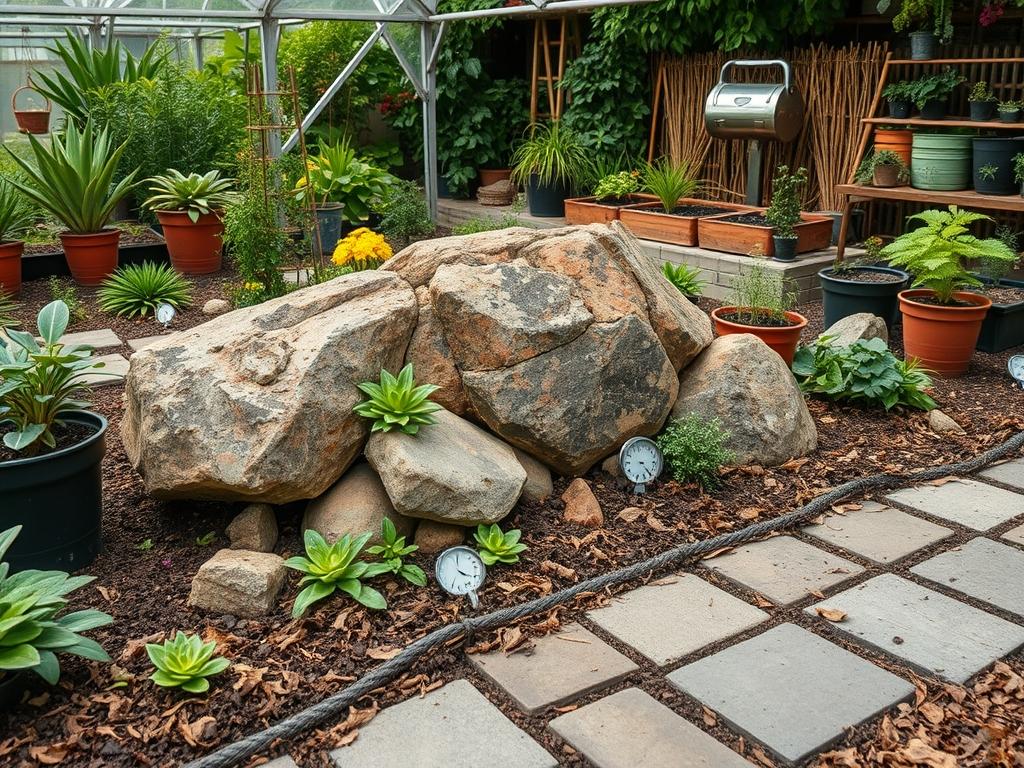
Creating a professional rock garden arrangement is an exercise in geological mimicry and horticultural precision. While many homeowners view rock gardening as a simple matter of placing stones and scattering seeds, a truly balanced arrangement requires a deep understanding of site topography, drainage dynamics, and the sculptural weight of stone. A well executed rock garden does more than provide curb appeal; it serves as a functional solution for challenging slopes, reduces water consumption through xeriscaping principles, and creates a stable environment for specialized alpine plant species that would otherwise struggle in traditional garden beds. The goal of a senior landscape architect is to design a space that feels as though it was revealed by natural erosion rather than constructed by a machine.
Environmental factors must dictate the primary structure of your design. Before moving a single boulder, you must evaluate the local climate and the unique microclimates within your property. South facing slopes will retain significant heat due to the thermal mass of the stones, while shaded northern exposures will remain damp and cool. These variations influence not only your plant selection but also the type of stone you choose. Porous stones like limestone or sandstone may weather beautifully but are susceptible to fragmentation in regions with harsh freeze-thaw cycles. Denser options such as granite or basalt offer longevity and a sense of permanence. By aligning the geological aesthetic with the local ecology, you create an outdoor space that feels grounded and intentional.
Landscape Design Principles
Achieving visual balance in a rock garden arrangement requires a departure from the rigid symmetry found in formal English gardens. Instead, architects rely on asymmetrical balance to create a sense of movement. A primary focal point is usually established by a single heavy anchor stone, which should be the largest element in the arrangement. From this point, smaller stones are graduated outward to create a tapering effect that mimics natural scree slopes. It is crucial to bury at least one third of each stone’s height below the soil line. This technique, known as bedding the stone, ensures the arrangement looks like a natural outcropping rather than a collection of discarded debris.
Elevation layers play a vital role in the functionality of the garden. By varying the height of the terrain, you create different drainage zones. The highest points are ideal for drought tolerant species that require rapid water runoff, while the lower tiers can accommodate plants that prefer more consistent moisture. Irrigation planning must be integrated into the initial layout. Subsurface drip emitters are often preferred over overhead sprayers in rock gardens to prevent soil erosion and to keep water away from the crowns of sensitive alpine plants. Furthermore, the inclusion of naturalistic walkways using irregular flagstone or crushed slate allows for maintenance access without compacting the specialized soil mixes required for these environments.
Plant and Material Selection
| Plant Type | Sun Exposure | Soil Needs | Water Demand | Growth Speed | Maintenance Level |
| :— | :— | :— | :— | :— | :— |
| Saxifraga | Partial Shade | Gritty, Alkaline | Moderate | Slow | Medium |
| Sedum Tetractinum | Full Sun | Well Drained, Poor | Low | Fast | Low |
| Blue Fescue | Full Sun | Sandy, Lean | Low | Moderate | Low |
| Creeping Thyme | Full Sun | Well Drained | Low | Fast | Low |
| Dwarf Mugo Pine | Full Sun/Part | Loamy, Acidic | Moderate | Very Slow | Low |
| Iberis Sempervirens| Full Sun | Gritty, Neutral | Low | Moderate | Medium |
Implementation Strategy
The construction of a rock garden begins with site preparation and grading. You must first remove all existing vegetation, particularly invasive grasses that can easily become entangled in the rock crevices. Once the area is clear, the primary drainage layer is established. In areas with heavy clay soil, a 4 inch layer of coarse gravel or crushed stone should be installed to facilitate water movement. This prevents the “bathtub effect” where water sits in the planting pockets and rots the roots of your specimens.
After the drainage layer is set, the hardscaping begins. Start with your largest specimen boulders, positioning them according to your pre-determined focal points. Use a crowbar or skid steer to maneuver these heavy elements into place. Once the large stones are bedded, you can introduce your specialized planting medium. A standard mix for rock gardens consists of one part garden loam, one part coarse sand, and one part fine grit or pea gravel. This lean mixture mimics the nutrient poor, fast draining conditions of mountainous regions.
The final phase of implementation involves the placement of smaller “bridge” stones and top dressing. These smaller rocks bridge the gap between the large boulders and the groundcover. Once your plants are installed, apply a 2 inch layer of stone mulch or finely crushed granite. This mulch serves three purposes: it suppresses weed growth, regulates soil temperature, and provides a clean, aesthetic finish that prevents soil from splashing onto the foliage during rain events.
Common Landscaping Failures
One of the most frequent errors in rock garden design is the “dog’s grave” effect, where small, uniform stones are placed haphazardly on top of level ground. This lacks the depth and geological logic required for a professional appearance. Another common failure is improper drainage management. If the site is not graded to direct water away from the center of the garden, the base will become a bog, killing the very plants that thrive in rocky environments. Architects must also be wary of soil compaction during the construction phase; using heavy machinery over the planting zones can crush the pore spaces in the soil, suffocating plant roots later.
Root overcrowding is another issue that presents itself two to three years after installation. Homeowners often plant specimens too close together, forgetful of their mature spreads. While a dense look is desirable, you must leave room for the plants to drape over the stones naturally. Furthermore, failing to account for the geotextile fabric properly can lead to disaster. While landscape fabric is useful for weed suppression, it can interfere with the natural movement of beneficial organisms like earthworms and may eventually clog with silt, creating a waterproof barrier that leads to surface runoff and erosion.
Seasonal Maintenance
Spring maintenance is perhaps the most intensive period for rock garden care. As the ground thaws, you must check for frost heave, where the expansion of freezing water in the soil pushes stones out of their bedded positions. Gently reset any shifted stones and clear away dead foliage from the previous season. This is also the time to apply a very light, low nitrogen fertilizer if the plants show signs of nutrient deficiency, though many rock garden species prefer lean conditions.
During the summer month, focus shifts to moisture management and deadheading. Even drought tolerant plants require supplemental water during extended heatwaves, especially those positioned near large stones that radiate heat. In autumn, it is imperative to remove fallen leaves from the crevices. If left to rot, these leaves create a rich organic compost that encourages weed growth and can cause crown rot in alpine species. Finally, winter care involves ensuring the garden is protected from heavy salt spray if it is located near a driveway or road. Minimal intervention is generally best during the dormant season, as the structural beauty of the stones provides visual interest even when the plants are covered in snow.
Professional Landscaping FAQ
What is the best type of rock for a residential rock garden?
Local, weathered stone is superior because it looks natural and reduces shipping costs. Granite, sandstone, and limestone are popular choices. Ensure the stones are of varying sizes, ranging from large boulders to small river pebbles, to create a balanced aesthetic.
How do I prevent weeds from growing between the rocks?
Use a combination of heavy grade landscape fabric under the stones and a thick layer of stone mulch on the surface. For cracks between boulders, planting high density groundcovers like Creeping Thyme can naturally outcompete emerging weed seeds through a process called competitive exclusion.
Can I build a rock garden on a flat lot?
Yes, but you must create artificial elevation. Use a base of structural fill and crushed stone to build mounds or “berms.” This provides the necessary height for visual interest and ensures the drainage required for rock loving plant species.
How much water do rock garden plants actually need?
Once established, most require significantly less than a traditional lawn. During the first year, water twice weekly to ensure root establishment. After that, a deep soaking once every two weeks during the peak of summer is usually sufficient for drought tolerant varieties.
Should I use a mortar or adhesive for the stones?
Professional rock gardens typically rely on gravity and bedding rather than mortar. A dry laid approach allows the garden to shift slightly with temperature changes without cracking. Only use adhesive for high retaining walls or dangerous overhangs where safety is a primary concern.