
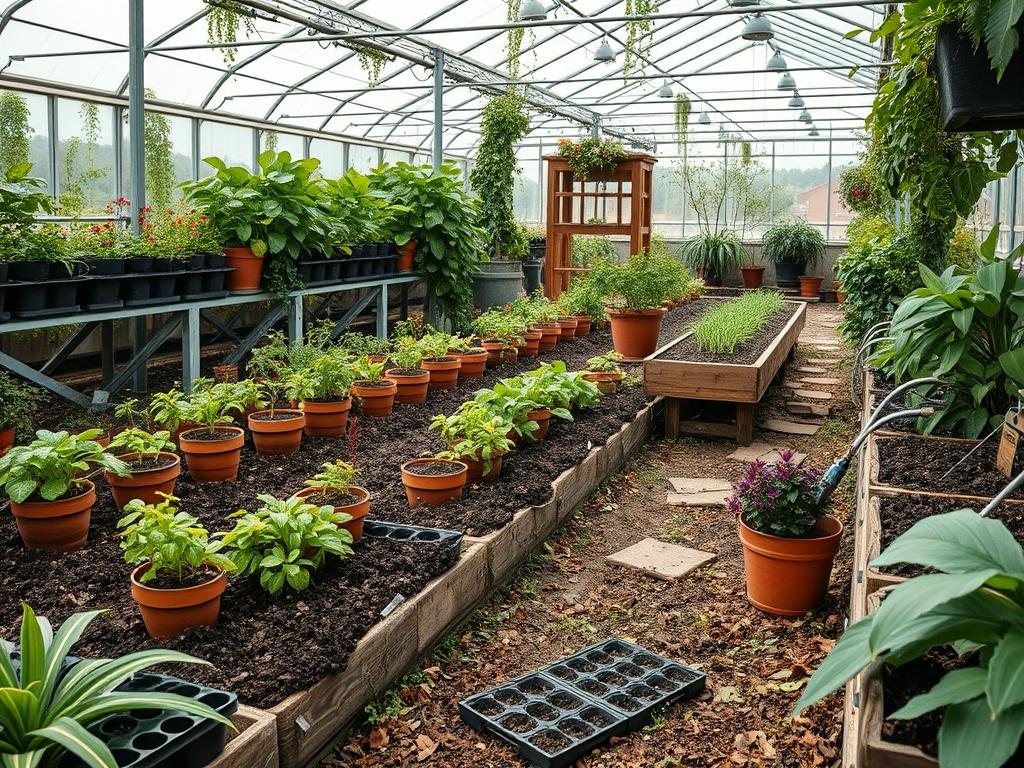
Designing a functional landscape requires more than a simple aesthetic arrangement of greenery and stone. It demands a holistic understanding of how an outdoor environment interacts with the human senses over the course of several seasons. When we approach a site as landscape architects, we evaluate the microclimate, the existing soil structure, and the ultimate goals of the property owner to create a space that offers therapeutic and functional value. The integration of Sensory Garden Plants serves as a bridge between high-end curb appeal and a deeply immersive outdoor living experience. This design philosophy goes beyond the visual, inviting homeowners to move through their gardens with an awareness of fragrance, texture, and sound. Achieving this balance requires careful planning regarding drainage, sun orientation, and the long term growth patterns of each selected species.
A successful landscape must address the fundamental challenges of site topography and environmental stressors. For many residential projects, the primary hurdle is creating a cohesive transition between the rigid lines of the home architecture and the organic forms of the natural environment. By utilizing layering techniques and strategic plant placement, we can direct the movement of visitors while highlighting specific focal points throughout the yard. The goal is to provide a sense of enclosure and privacy without making the space feel cramped or poorly ventilated. This involves a rigorous assessment of how light moves across the property at different times of the day, ensuring that delicate tactile plants are not scorched by the afternoon sun and that fragrant blooms are positioned where prevailing winds can carry their scent toward seating areas or open windows.
Landscape Design Principles
Professional landscape design relies on five core principles: balance, focalization, simplicity, rhythm, and proportion. Symmetry is often used near entrances to create a formal and welcoming atmosphere, while asymmetrical balance provides a more natural and relaxed feel in backyard retreats. We use elevation layers to create depth; this is achieved by placing taller specimen trees at the perimeter, medium shrubs in the mid-ground, and low-growing ground covers near the walkways. This hierarchy ensures that every plant is visible and contributes to the overall visual tapestry.
Focal points are essential for guiding the eye through the landscape. A large stone birdbath, a structural Japanese Maple, or a high-contrast retaining wall can serve as the anchor for a sensory zone. Irrigation planning must be integrated into the initial design phase to ensure that high water demand plants are grouped together, a practice known as hydrozoning. This reduces water waste and prevents the over-saturation of drought-tolerant species. Furthermore, walkway materials should be chosen based on their tactile feedback. Decomposed granite or smooth river stones provide a different auditory and physical experience compared to traditional concrete pavers.
Plant and Material Selection
The following table outlines ten essential Sensory Garden Plants selected for their superior performance in professionally managed landscapes. These species are chosen for their ability to provide distinct visual, olfactory, or tactile stimulation while maintaining structural integrity throughout the growing season.
| Plant Type | Sun Exposure | Soil Needs | Water Demand | Growth Speed | Maintenance Level |
| :— | :— | :— | :— | :— | :— |
| Lavender (Lavandula) | Full Sun | Sandy/Well-Drained | Low | Moderate | Low |
| Lamb’s Ear (Stachys byzantina) | Full Sun/Part Shade | Dry to Medium | Low | Fast | Low |
| Gardenia (Gardenia jasminoides) | Partial Shade | Acidic/Rich | High | Moderate | High |
| Mexican Bush Sage (Salvia leucantha) | Full Sun | Well-Drained | Moderate | Fast | Moderate |
| Purple Coneflower (Echinacea) | Full Sun | Loamy/Adaptive | Moderate | Moderate | Low |
| Russian Sage (Perovskia) | Full Sun | Alkaline/Dry | Low | Fast | Low |
| Peppermint (Mentha x piperita) | Full Sun/Part Shade | Moist/Loamy | High | Very Fast | Moderate |
| Fountain Grass (Pennisetum) | Full Sun | Universal | Low to Moderate | Fast | Low |
| Chenille Plant (Acalypha hispida) | Full Sun/Part Shade | Rich/Moist | High | Moderate | High |
| Chocolate Cosmos (Cosmos atrosanguineus) | Full Sun | Well-Drained | Moderate | Moderate | Moderate |
Implementation Strategy
Implementing a sensory garden requires a systematic approach to site preparation. The process begins with grading, where the land is sloped away from the house foundation at a minimum of a two percent grade to ensure proper drainage. Once the primary contours are established, we mark the placement of hardscape elements, such as flagstone paths or timber edging. These structural boundaries define the garden beds and prevent invasive grass species from encroaching on the ornamental areas.
Following the hardscape installation, soil amendment is critical. Most suburban soils suffer from high compaction, which prevents oxygen and nutrients from reaching the root zones. We recommend incorporating 3 to 4 inches of high-quality organic compost into the top 8 inches of native soil. When planting, the hole should be twice as wide as the root ball but no deeper. This encourages lateral root growth and prevents the plant from settling too deep, which can lead to crown rot. Once the plants are in the ground, a 3-inch layer of hardwood mulch or pine bark is applied to the surface. This mulch regulates soil temperature, suppresses weeds, and retains moisture, while also providing a clean, finished look to the beds.
Common Landscaping Failures
One of the most frequent mistakes in backyard planning is the failure to account for the mature size of the plants. Root overcrowding and canopy overlapping can occur within three to five years if proper spacing is not calculated during the design phase. This leads to competition for nutrients and increased susceptibility to fungal diseases due to restricted airflow. Another common issue is improper irrigation setup. Many homeowners install overhead sprinklers that wet the foliage of plants like Roses or Gardenias, which can trigger powdery mildew and leaf spot.
Soil compaction is a silent killer of professional landscapes. Heavy machinery used during construction often leaves the sub-grade as hard as concrete, preventing deep root penetration. Without mechanical aeration or deep tilling, the plants will struggle to thrive despite frequent watering. Additionally, poor drainage planning can lead to standing water, which suffocates the root systems and creates breeding grounds for mosquitoes. Installing French drains or catch basins in low-lying areas is a necessary investment for long term garden health.
Seasonal Maintenance
Maintaining a sensory-rich environment requires a proactive schedule. In the spring, the focus is on pruning dead wood and applying a balanced slow-release fertilizer to support new growth. This is also the ideal time to refresh the mulch and check the irrigation system for leaks or clogged emitters. As we move into summer, the primary task is water management. Monitoring the moisture levels of the soil and adjusting the frequency of delivery based on heat waves ensures that the plants do not enter a state of dormancy or stress.
During the autumn, gardeners should focus on cleaning up fallen debris and heading back perennials like Lavender and Sage to maintain their shape. This is also the best time for planting new trees and shrubs, as the cooler temperatures allow roots to establish without the stress of extreme heat. In the winter, maintenance involves protecting sensitive species from frost and ensuring that hardscape elements remain stable through freeze-thaw cycles. Properly winterizing the garden ensures a vigorous return of scents and textures in the following year.
Professional Landscaping FAQ
What is the best way to improve soil drainage for a new garden bag?
Incorporate organic matter and sand into the native soil to improve porosity. Additionally, ensure the bed is slightly raised or installed with a perforated drain pipe to move excess water away from the root zones of the plants.
How deep should my mulch be in a professional landscape?
Maintain a depth of 2 to 3 inches. Avoid piling mulch against the trunks of trees or the base of shrubs, as this can trap moisture against the bark and encourage rot, wood-boring insects, and fungal infections.
Which sensory plants are best for high-traffic walkways?
Creeping Thyme and Lamb’s Ear are excellent choices. They are resilient enough to handle occasional foot traffic and release pleasant aromas or offer soft textures when brushed against by passersby moving through the garden path.
Can I install a sensory garden in a mostly shaded area?
Yes. Focus on tactile plants like Ferns and Mosses, or visual interest species like Hostas and Bleeding Hearts. While many fragrant plants require sun, Sweet Woodruff provides a pleasant scent even in lower light conditions.
How often should I tune my irrigation system?
Inspect your system at the start of every season. Check for broken heads, clogged nozzles, and leaky valves. Adjust the timing and duration of watering cycles to match the specific evaporation rates of the spring, summer, and autumn months.