
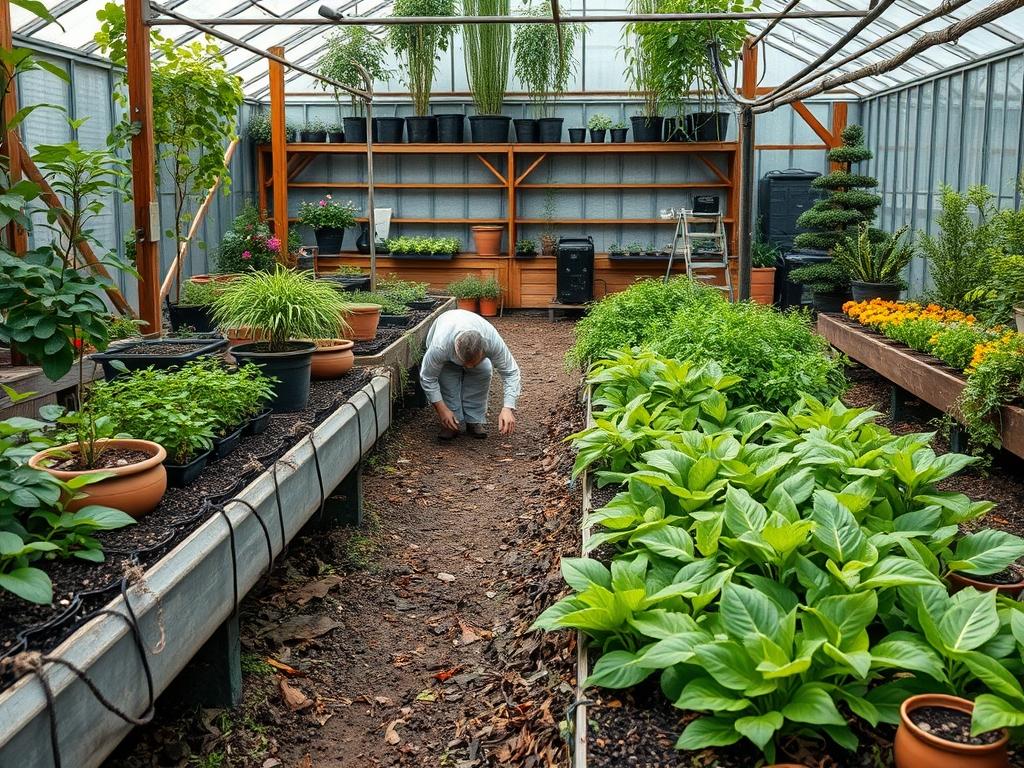
Transforming a modern outdoor environment into a sanctuary of stillness requires more than just aesthetic intuition; it demands a rigorous understanding of spatial dynamics and biological harmony. The primary challenge in contemporary landscaping is reconciling the desire for a minimalist, high-end appearance with the practical realities of local climate conditions and soil health. Japanese Zen Principles offer a sophisticated solution to this dilemma by prioritizing intentionality over ornamentation. When these principles are applied correctly, the result is a landscape that enhances curb appeal while providing a functional extension of the home. Modern yards often suffer from visual noise, where clashing textures and overpopulated flower beds create a sense of chaos rather than repose. By focusing on the interplay of stone, water, and evergreen foliage, a designer can mitigate this clutter. The goal is to create a space that feels expansive regardless of its actual square footage, utilizing perspective and negative space to direct the eye and calm the mind.
Landscape Design Principles
At the heart of any Zen-inspired garden is the concept of Fukinsei, or asymmetrical balance. Unlike traditional European gardens that rely on rigid symmetry to denote order, Japanese-inspired landscapes find stability through the careful placement of unequal elements. A single, large Granite Boulder may be balanced by a cluster of smaller River Stones and a low-growing Evergreen Shrub. This creates a natural focal point that feels organic rather than manufactured. Elevation layers play a critical role in this process. By manipulating the topography through subtle Grading or the installation of Retaining Walls, a designer can create a sense of depth and mystery. A flat lot can be transformed into a dynamic environment by mounding soil to create “mountains” or excavating shallow depressions to represent “valleys.”
Walkways serve as the literal and metaphorical journey through the space. In a Zen garden, paths are rarely straight. They curve gently, forcing the pedestrian to slow down and observe their surroundings. Using Natural Flagstone or Stepping Stones spaced at irregular intervals encourages mindful movement. These paths must be integrated with a comprehensive irrigation plan. Subsurface Drip Irrigation Systems are preferred in these designs to maintain the clean visual of the ground cover without the intrusion of spray heads. Furthermore, visual balance is achieved by adhering to the principle of Kanso, or simplicity. Every element included in the design must serve a purpose. If a plant or stone does not contribute to the overall narrative of the space, it is omitted. This discipline ensures that the landscape remains low-maintenance and visually cohesive over time.
Plant and Material Selection
The following selection highlights species and materials that align with the minimalist requirements of Zen design while ensuring survival in diverse environments.
| Plant Type | Sun Exposure | Soil Needs | Water Demand | Growth Speed | Maintenance Level |
| :— | :— | :— | :— | :— | :— |
| Japanese Maple | Partial Shade | Well-Drained, Acidic | Moderate | Slow to Medium | Moderate (Pruning) |
| Boxwood | Full Sun to Shade | Loamy, Neutral | Low | Slow | Low |
| Mondo Grass | Partial to Full Shade | Moist, Rich | Moderate | Slow | Very Low |
| Japanese Forest Grass | Full Shade | Humus-Rich | Moderate | Medium | Low |
| Creeping Thyme | Full Sun | Sandy, Poor Soil | Very Low | Fast | Low |
| Black Mondo Grass | Full Sun to Part Shade | Well-Drained | Moderate | Slow | Low |
| Azalea | Partial Shade | Acidic, Organic | Moderate | Medium | Moderate |
Implementation Strategy
The successful execution of a Zen-inspired garden begins with a rigorous site analysis. Before any soil is moved, the designer must determine the natural drainage patterns of the property. Proper Grading is essential to ensure that water moves away from the home foundation and toward designated collection points or Rain Gardens. Once the layout is established, the first step is the installation of hardscape elements. Large Feature Rocks should be buried at least one-third of their height into the ground. This “planting” of stones makes them appear as if they have emerged naturally from the earth rather than being dropped on top of it.
Following stone placement, the installation of Steel Edging or Aluminum Landscape Edging defines the boundaries between different textures, such as the transition from a Crushed Gravel sea to a mossy embankment. For the ground cover, a 2-inch layer of Fine Bark Mulch or Decomposed Granite provides a clean finish and aids in moisture retention. If using gravel, a high-quality Non-Woven Geotextile Fabric must be placed underneath to prevent weed growth and keep the stone from sinking into the subsoil. Drainage is further managed by the use of French Drains disguised beneath decorative river rocks. This ensures that even during heavy rainfall, the integrity of the meticulously raked gravel beds remains intact.
Common Landscaping Failures
The most frequent mistake in Zen-style landscaping is the failure to account for root overcrowding and mature plant size. Homeowners often install Specimen Trees too close to hardscape features, leading to cracked walkways and damaged retaining walls within a few years. Another critical error is soil compaction. During construction, heavy machinery can crush the pore spaces in the soil, preventing oxygen and water from reaching plant roots. To avoid this, designers should use Augers for planting and incorporate Organic Soil Amendments like compost to maintain soil structure.
Irrigation inefficiencies also plague modern gardens. Many people over-water their Zen gardens, leading to root rot in species like the Japanese Maple. A professional landscape must include a Smart Irrigation Controller with rain sensors to adjust levels based on real-time weather data. Additionally, improper spacing of plants can lead to a cluttered look that violates the principle of Ma, or negative space. Without sufficient open areas, the garden loses its ability to evoke a sense of calm. Finally, neglecting the installation of a proper Sub-base for Pavers can result in uneven walkways that become tripping hazards and collect stagnant water.
Seasonal Maintenance
Seasonal care is vital for preserving the crisp lines and health of a minimalist garden. In the Spring, the focus is on “awakening” the landscape. This involves checking the Drip Irrigation Lines for leaks, applying a fresh 1-inch layer of Mulch, and performing structural pruning on deciduous trees before they fully leaf out. This is also the time for Soil Testing to ensure that acidic-loving plants have the correct pH levels.
Summer maintenance revolves around water management and weed control. Even with weed barriers, some airborne seeds may sprout in the gravel beds. These should be removed by hand or with a Propane Torch to avoid disturbing the stone patterns. Autumn is the season for leaf management. In a Zen garden, fallen leaves on a bed of white gravel or moss can look messy and lead to fungal issues. Using a Leaf Blower on a low setting or a soft rake is necessary to keep surfaces clean. This is also the ideal time to plant new Spring-Flowering Bulbs. Finally, in Winter, the garden should be “put to bed” by winterizing the irrigation system and protecting sensitive species with Burlap Wraps if extreme freezes are expected. The structural beauty of the stones and evergreens should be the primary focus during these dormant months.
Professional Landscaping FAQ
How do I choose the right size for my feature rocks?
Select boulders that appear proportional to the surrounding architecture. A common rule of thumb is to use one primary stone that is at least 24 inches in height, complemented by smaller stones of varying sizes to create a naturalistic grouping.
What is the best way to prevent weeds in gravel?
Install a heavy-duty Non-Woven Geotextile Fabric beneath the gravel. Ensure the edges of the fabric are tucked under the Steel Edging. Use a depth of at least 3 inches of gravel to block sunlight from reaching the soil.
Can I create a Zen garden in a high-traffic area?
Yes, but you must choose durable materials. Use Permeable Pavers or Large Stepping Stones for the primary walking paths rather than loose gravel. Incorporate hardy ground covers like Mazus Reptans that can withstand occasional foot traffic.
How do I manage drainage without visible plastic pipes?
Utilize a Dry Creek Bed design. Excavate a shallow trench and line it with River Rocks and Cobblestone. Beneath the stones, hide a Perforated Drain Pipe surrounded by gravel to move water away efficiently while maintaining a natural look.
Why are my Japanese Maples getting leaf scorch?
This is often caused by excessive wind or direct afternoon sun. Ensure they are planted in a protected location with partial shade. Applying a consistent 3-inch layer of Mulch around the base helps maintain the cool, moist soil conditions they require.