
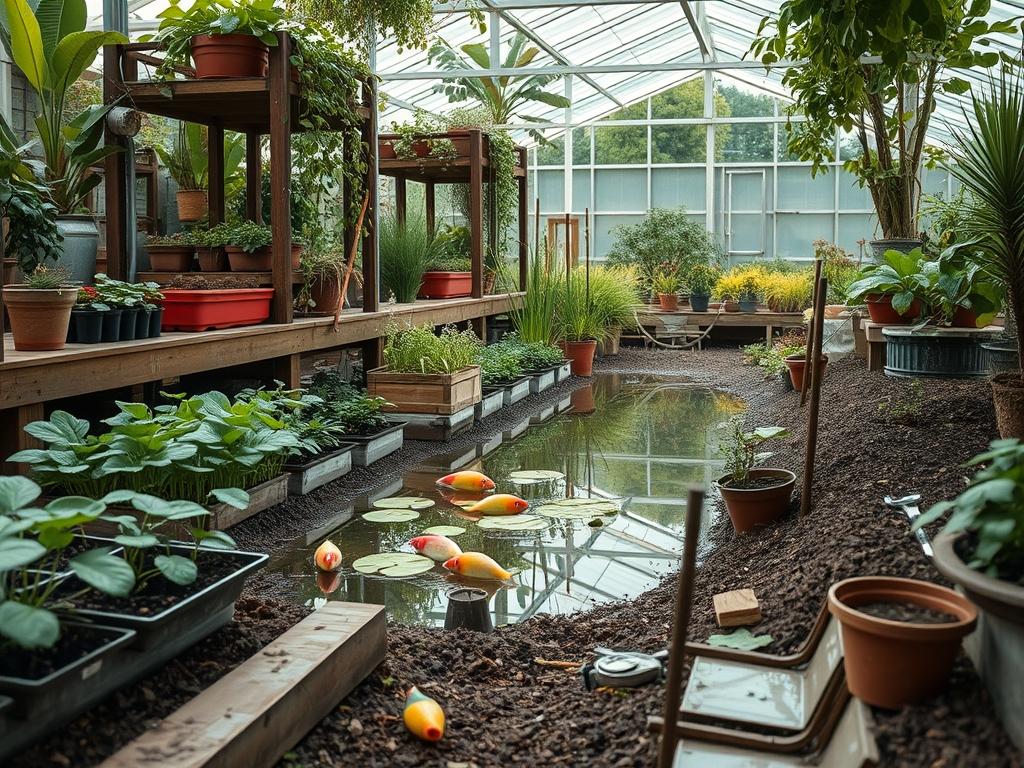
Integrating a professional fish pond into a residential or commercial landscape represents one of the most complex yet rewarding challenges in outdoor environment consulting. These installations are not merely decorative basins; they are sophisticated biological systems that require a seamless marriage of civil engineering and aquatic horticulture. A well-designed pond acts as a primary focal point that anchors the entire backyard, enhancing curb appeal and creating a sense of tranquility that standard hardscaping cannot achieve. However, the success of such a feature depends heavily on consistent fish pond maintenance and a deep understanding of climate-driven variables. In temperate zones, a pond must be engineered to withstand thermal expansion in winter and oxygen depletion during the heat of summer. By prioritizing a holistic design that accounts for drainage, elevation, and nutrient cycling, a landscape architect can transform a simple water feature into a thriving, self-sustaining ecosystem that functions as a natural extension of the living space.
Landscape Design Principles
When conceptualizing the layout of a fish pond, the principle of focal point placement is paramount. A pond should be positioned where it can be viewed from interior windows and outdoor seating areas, creating a visual bridge between the home and the garden. Incorporating symmetry into the surrounding hardscape, such as using mirrored Flagstone paths or balanced Boxwood hedges, can provide a formal structure that contrasts beautifully with the fluid motion of the water. Elevation layers are equally critical; using excavated soil to build a Retaining Wall or a tiered Waterfall adds vertical interest and facilitates natural aeration.
Functional irrigation planning must also account for the pond’s proximity to existing garden beds. Strategic grading ensures that the pond sits slightly higher than the surrounding terrain to prevent chemical-laden runoff from lawns from entering the aquatic environment. Walkways should be designed with Pavers or Decomposed Granite to allow for easy access during maintenance tasks while protecting the delicate pond perimeter. Visual balance is achieved by mixing textures, such as combining the smoothness of River Rocks with the jagged edges of a Slate Spillway, ensuring the feature feels grounded within its ecological context.
Plant and Material Selection
Selecting the correct biological and structural components is essential for maintaining water clarity and fish health. The following table identifies key materials and flora suitable for professional pond integration.
| Plant or Material Type | Sun Exposure | Soil Needs | Water Demand | Growth Speed | Maintenance Level |
| :— | :— | :— | :— | :— | :— |
| Water Lilies (Nymphaea) | Full Sun | Aquatic Compost | Submerged | Moderate | Medium |
| Pickerel Weed | Full to Part Sun | Heavy Clay/Loam | Emergent | Fast | Low |
| Creeping Jenny | Part Shade | Moist Soil | High | Very Fast | High (Pruning) |
| Cattails | Full Sun | Boggy Soil | Constant | Rapid | Moderate |
| EPDM Liner (45 mil) | N/A | Compacted Sand | N/A | N/A | Structural |
| Lava Rock (Filter Media) | N/A | N/A | High Flow | N/A | Bi-annual Cleaning |
| Hornwort | Any | None (Floating) | Submerged | Fast | Low |
Implementation Strategy
The construction phase begins with a precise grading plan to ensure the site is level and stable. Once the perimeter is marked, excavation should include varied depths, ideally incorporating a shelf at 12 inches for marginal plants and a deeper zone of at least 36 inches to provide a thermal refuge for fish during temperature extremes. Before laying the 45 mil EPDM liner, the soil must be cleared of sharp debris and covered with a thick layer of Geotextile fabric underlayment. This protective barrier prevents punctures and adds longevity to the structure.
As the liner is positioned, it should be anchored with heavy Boulders and Riverstone to hide the synthetic edges and mimic a natural streambed. Edging is a critical aesthetic transition; using Coping Stones or flagstone overhangs provides a professional finish while protecting the liner from UV degradation. Proper drainage is managed through an overflow pipe or a subtly sloped Swale that directs excess water away from the home’s foundation and toward a dedicated rain garden. Finally, a layer of Double-cut hardwood mulch should be applied to the surrounding terrestrial beds to suppress weeds and stabilize soil moisture near the pond edge.
Common Landscaping Failures
The most frequent mistake in pond construction is improper site grading, which allows surface runoff to carry silt, fertilizers, and lawn debris into the water. This causes massive phosphorus spikes, leading to aggressive algae blooms that suffocate fish. Another common failure is the lack of a Mechanical Skimmer. Without a way to remove floating leaves and organic matter before they sink, the pond accumulates thick sludge, which produces toxic hydrogen sulfide gas through anaerobic decomposition.
Root overcrowding and improper plant spacing also plague many DIY installations. Fast-growing species like Water Hyacinth or certain Ornamental Grasses can quickly overwhelm the pond surface, blocking sunlight and reducing oxygen exchange. Additionally, failing to account for soil compaction during the installation of Retaining Walls can lead to structural shifting, which may tear the liner or cause the pond to lean. Finally, irrigation inefficiencies, such as sprinkler heads that spray directly into the pond, can introduce chlorine and other chemicals that are harmful to sensitive koi and goldfish.
Seasonal Maintenance
Spring represents the most active period for fish pond maintenance. As water temperatures rise above 50 degrees Fahrenheit, the biological filter should be restarted using a Beneficial Bacteria supplement to kickstart the nitrogen cycle. Debris that accumulated over the winter must be removed with a Pond Net, and a 20 percent water change is recommended to dilute concentrated nitrates. This is also the ideal time to divide and repot aquatic plants using fresh Aquatic Soil and slow-release fertilizer tabs to ensure vigorous growth throughout the season.
Summer maintenance focuses on oxygenation and temperature control. During periods of high heat, water holds less dissolved oxygen, so running a Submersible Aerator or a Venturi Nozzle is vital for fish survival. Homeowners should monitor water levels closely, as evaporation can concentrate salts and minerals; top off the pond using a Dechlorinator to neutralize tap water toxins. Algae management is also a priority; manually removing string algae and ensuring that Floating Plants cover at least 50 percent of the water surface will help cool the pond and starve algae of sunlight.
Autumn requires proactive measures to prevent organic overload. Installing a Fine Mesh Cover over the pond before the first leaves fall will save hours of labor and prevent the buildup of bottom muck. All tropical aquatic plants should be removed or moved to an indoor tank before the first frost. During this season, fish metabolism slows down, so switching to a high-carbohydrate Wheat Germ Fish Food helps them prepare for dormancy without leaving undigested proteins in their systems.
Winter maintenance is centered on keeping an opening in the ice for gas exchange. In colder climates, a Floating Pond De-icer or a small Recirculating Pump placed near the surface will prevent the pond from freezing solid. It is unnecessary to keep the entire surface clear, as a small hole of roughly 12 inches in diameter is sufficient. Avoid hacking at the ice with heavy tools, as the resulting shockwaves can stress or kill hibernating fish. All external filtration systems should be drained and stored if they are at risk of bursting due to frozen water pipes.
Professional Landscaping FAQ
How often should I clean my mechanical pond filter?
You should inspect and rinse mechanical filter mats every two to four weeks during the peak growing season. This prevents clogging and ensures the UV Clarifier and pump can maintain optimal flow rates for water clarity and oxygenation.
Can I use standard garden soil for my aquatic plants?
No, standard garden soil contains organic matter that rots underwater and often includes fertilizers that trigger algae blooms. Always use a heavy Aquatic Clay or specialized pond planting media to keep the nutrients contained within the root ball.
How deep does my pond need to be for fish to survive winter?
In most temperate climates, a minimum depth of 24 to 36 inches is required. This depth ensures that a portion of the water column remains liquid below the frost line, providing a stable, insulated environment for dormant fish species.
Why is my pond water turning green after a heavy rain?
Green water is typically caused by unicellular algae feeding on nutrient-rich runoff. To solve this, improve the Landscape Grading around the perimeter and increase the number of Oxygenating Plants to compete for the excess nutrients washed in by the rain.
Which mulch is safest to use around the edge of a fish pond?
Use a heavy, Cedar or Pine Bark Mulch that is less likely to blow or wash into the water. Avoid dyed mulches or those pre-treated with herbicides, as these chemicals can leach into the pond and harm aquatic life.