
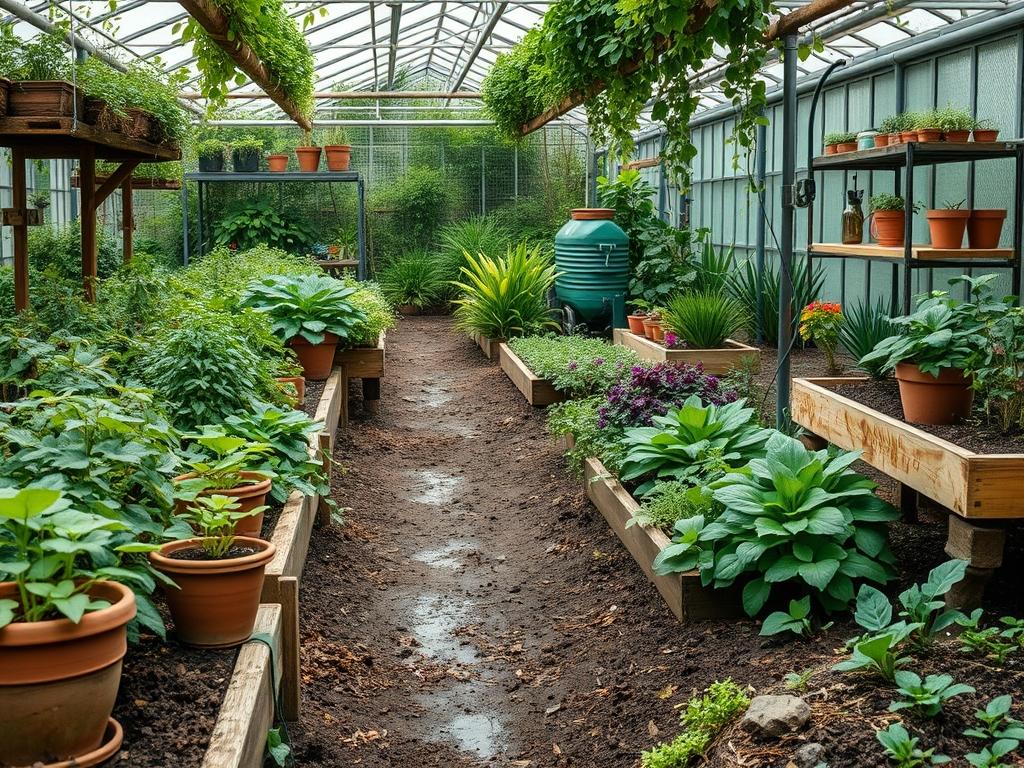
Transforming a standard residential plot into a thriving ecosystem requires a fundamental shift in perspective. Most homeowners view their lawn as a collection of static ornaments, which are plants selected solely for their visual appeal and held in place by intensive chemical inputs. Landscape architects, however, are increasingly turning toward Permaculture Design Principles to create outdoor environments that are both beautiful and self-sustaining. This approach treats the garden as a functional machine where every element, from the retaining wall to the fruit tree, performs multiple roles. The primary challenge lies in balancing curb appeal with ecological productivity. A well-designed landscape must manage heavy rainfall, provide privacy, and offer nutritional yields without looking like an untamed thicket. By understanding the microclimates of your specific site, you can design a space that thrives in your local weather patterns while reducing the labor required for long term upkeep.
Modern landscaping goes beyond the placement of flowers; it is about infrastructure and functionality. When you plan a garden through the lens of permaculture, you are looking for ways to maximize the energy coming into the system, such as sunlight and rainwater, while minimizing the waste leaving it. This leads to a higher property value and an outdoor living space that feels integrated with the architecture of the home. The goal is a landscape that grows more resilient with each passing decade.
Landscape Design Principles
Permaculture design begins with the principle of visual balance and functional symmetry. While traditional landscaping might use identical boxwood shrubs to frame a front door, a permaculture-informed design achieves balance through biological diversity. This involves creating focal points using specimen trees like a Persimmon or a unique Japanese Maple. These focal points draw the eye and provide a central structure around which smaller guilds of plants are arranged. By utilizing elevation layers, you can stack functions within a small footprint. This means planting a canopy layer of tall trees, an understory of smaller shrubs, and a ground cover layer of nitrogen-fixing plants. This vertical stacking mimics a natural forest and significantly increases the total biomass of the garden.
Walkways are another critical element of professional landscape design. They should be wide enough for comfortable movement, typically around 48 inches for primary paths. In a permaculture system, walkways serve as more than just a means of transit; they act as access points for maintenance and harvesting. These paths should follow the natural contours of the land to help manage water runoff. Irrigation planning is integrated into the very shape of the earth. Rather than relying solely on automated sprinklers, designers use swales, which are shallow trenches dug on the contour of the slope. These trenches catch rainwater and allow it to slowly sink into the soil to hydrate plant roots over time. This reduces the need for supplemental watering and prevents soil erosion during heavy storms.
Plant and Material Selection
Selecting the right materials and flora is the backbone of a successful landscape. In permaculture, every plant should ideally serve at least three purposes, such as providing food, fixing nitrogen in the soil, and offering habitat for beneficial insects. Below is a selection of plants commonly used to build a resilient garden ecosystem.
| Plant Type | Sun Exposure | Soil Needs | Water Demand | Growth Speed | Maintenance Level |
| :— | :— | :— | :— | :— | :— |
| Elderberry | Full Sun / Partial | Rich, Moist | High | Fast | Medium |
| Comfrey | Full Sun / Shade | Any / Hardy | Moderate | Aggressive | Low |
| Serviceberry | Full Sun / Partial | Well-drained | Moderate | Moderate | Low |
| White Clover | Full Sun / Partial | Loamy / Poor | Low | Fast | Very Low |
| Highbush Blueberry| Full Sun | Acidic (pH 4.5) | Moderate | Moderate | Medium |
| Lavender | Full Sun | Sandy / Gritty | Extremely Low | Moderate | Low |
| Asparagus | Full Sun | Deep, Sandy | Moderate | Slow | High (Establishment) |
Material selection extends to hardscaping. Using recycled concrete or natural stone for walls provides thermal mass, which can help regulate the temperature of the soil nearby. Furthermore, using organic cedar mulch or pine bark helps to suppress weeds and break down into rich humus over several seasons.
Implementation Strategy
The transition from a blueprint to a physical garden requires a disciplined implementation strategy. The first step is grading. Proper site grading ensures that water flows away from your home foundation and toward the areas of the garden where it is needed most. This might involve creating a slight 2 percent slope to direct runoff into a rain garden. Once the heavy earthwork is complete, professional edging is installed. Using a half-moon edger to create a clean “V” trench between the lawn and the garden beds prevents grass roots from encroaching on your perennials.
After the structure is set, soil preparation begins. Instead of tilling, which destroys the soil structure, permaculture advocates for sheet mulching. You lay down a layer of undyed cardboard to smother weeds, followed by 3 inches of compost and 3 inches of mulch. This method builds soil fertility from the top down. Planting should be done in stages, starting with the largest trees and working down to the ground covers. When installing a tree, ensure the hole is at least twice as wide as the root ball but no deeper. This allows the roots to expand into the surrounding soil easily. Drainage is further managed by installing French drains or catch basins in low-lying areas where water tends to pool. These systems should be lined with non-woven geotextile fabric and filled with 1.5-inch river rock to ensure they do not clog with silt over time.
Common Landscaping Failures
One of the most frequent mistakes in backyard design is improper spacing, often referred to as root overcrowding. When plants are installed, they look small in their nursery pots. Many gardeners plant them too close together for immediate effect, but within five years, the plants begin to compete for nutrients and light. This leads to stunted growth and increased disease susceptibility. A professional landscape architect always designs for the mature width of the plant. If a Viburnum is rated for an 8-foot spread, it should be placed 4 feet from any wall or competing shrub.
Another common failure involves irrigation inefficiencies. Over-watering is just as damaging as under-watering. When plants are given shallow, frequent bursts of water, they fail to develop the deep root systems necessary to survive a drought. Drip irrigation is the preferred method in permaculture because it delivers water directly to the base of the plant at a slow rate. Soil compaction is the third major hurdle. Using heavy machinery during construction can squeeze the air out of the soil, making it impossible for roots to penetrate. To fix this, you may need to use a broadfork to aerate the ground without inverting the layers. Finally, failing to plan for drainage behind retaining walls can lead to structural collapse. Always include a perforated pipe and gravel backfill to relieve hydrostatic pressure.
Seasonal Maintenance
A permaculture garden is designed to be low maintenance, but it is not “no maintenance.” Each season requires specific tasks to keep the ecosystem in balance. In the spring, the focus is on observation and pruning. You should inspect your drip lines for leaks and prune any winter damage from your fruit trees using sharp bypass loppers. This is also the time to refresh the mulch in areas where it has thinned out.
Summer maintenance is primarily about water management and harvesting. As temperatures rise, monitor the moisture level of the soil. A thick layer of straw or wood chips will be your best defense against evaporation. High-production plants like tomatoes or berries may require supplemental liquid seaweed fertilizer during their peak fruiting stage. Autumn is the season for building future fertility. Leave the fallen leaves on the beds to act as a natural insulator and habitat for beneficial insects. This is also the ideal window for planting new trees and shrubs, as the cooler air and warm soil encourage rapid root development. In the winter, the work shifts to tool maintenance and planning. Clean your spades and shovels with a wire brush and apply a thin coat of oil to prevent rust. Review your garden logs to see which plant guilds flourished and which ones may need to be adjusted in the coming spring.
Professional Landscaping FAQ
What is the best way to start a permaculture garden?
Begin by observing your land for a full year. Identify sun patterns, wind corridors, and water pooling areas. Start small by building a single high-productivity guild near your back door and expand outward as you gain experience.
Can permaculture principles work in a small urban yard?
Absolutely. Urban permaculture focuses on vertical gardening, container guilds, and efficient water catchment. Even a small balcony can utilize stacked functions by growing culinary herbs and flowers that attract pollinators in the same pot.
Do I need a professional irrigation system for my landscape?
While not strictly required, a drip irrigation system with a solar-powered timer significantly increases plant survival rates. It ensures consistent moisture delivery to the roots while minimizing water waste through evaporation or runoff.
How do I choose between wood mulch and stone mulch?
Use organic mulch like arborist wood chips for garden beds where you want to build soil health. Reserve stone mulch for high-traffic areas or around house foundations where you need to prevent localized moisture buildup.
How can I improve drainage in my backyard quickly?
The most effective quick fix is installing a dry creek bed. By lining a natural drainage path with various sizes of river rock, you can slow down rushing water and guide it safely away from structures.