
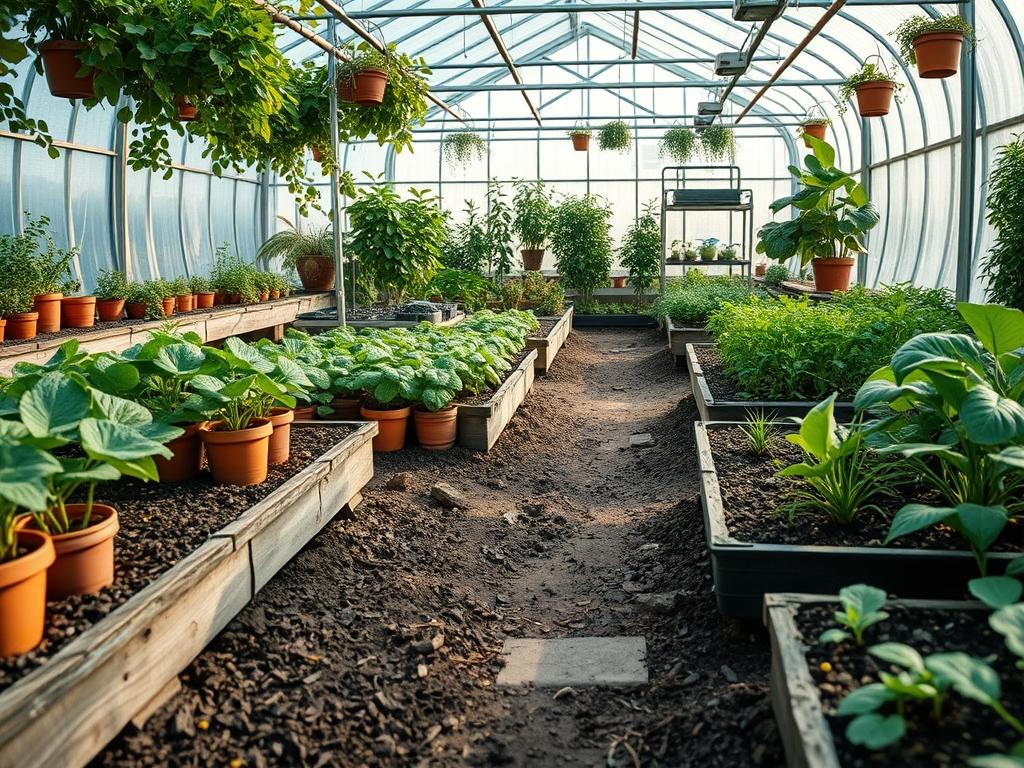
Modern estate planning often culminates in the integration of functional, glass-enclosed environments that extend the growing season indefinitely. Establishing a year-round garden requires more than just a glass structure; it demands a sophisticated approach to environmental control and site integration. Greenhouse Climate Automation represents the pinnacle of this intersection, where technology meets horticulture to provide stable atmospheric conditions regardless of the external weather. As a landscape architect, my goal is to ensure that these structures do not merely sit on the land but function as an organic extension of the property. Achieving this requires a balance between architectural curb appeal and the invisible systems that manage temperature, humidity, and light. When we automate a greenhouse climate, we are essentially building a localized ecosystem that requires careful hydrological and topographical planning to prevent the surrounding landscape from interfering with the internal efficiency.
The visual impact of a high-end greenhouse is undeniably powerful, yet its placement determines the success of its automated systems. A structure positioned in a low-lying area with poor drainage will force its automated sump pumps to work overtime, while a unit placed in excessive shade will require more energy for LED grow lights and heating coils. Therefore, the landscaping challenge is to create a site that supports the greenhouse through proper grading and windbreak installation, ensuring the automation can operate within its optimal parameters. By merging aesthetic design with technical precision, homeowners can enjoy a seamless outdoor experience that provides fresh produce or exotic florals through all four seasons.
Landscape Design Principles
Symmetry serves as the foundation for any professional landscape that features a primary structure like an automated greenhouse. To create a cohesive look, the greenhouse should be anchored by hardscape elements that mirror its geometry. Focal points should lead the eye toward the entry using natural stone walkways or poured concrete paths. These paths are not just for aesthetics; they provide a stable surface for transporting heavy materials and allow for the underground installation of secondary electrical conduits and irrigation lines. Visual balance is achieved by flanking the structure with evergreen shrubs that provide a year-round green frame, even when the deciduous trees nearby have lost their leaves.
Elevation layers are equally vital for both aesthetics and functionality. By utilizing terraced retaining walls, a designer can manage slopes and ensure the greenhouse sits on a level grade while adding visual depth to the overall property layout. These walls also act as a physical barrier that can help deflect cold winds, reducing the load on the greenhouse HVAC system. Furthermore, irrigation planning must be integrated into the initial design. This involves more than just a garden hose; it requires a sophisticated drip irrigation manifold that connects the external landscape to the internal automation controller. This ensures that the water pressure remains consistent across the entire property, preventing the greenhouse system from starving the exterior ornamental beds during peak summer months.
Plant and Material Selection
Selecting the right materials and plants is crucial for creating a transition between the controlled greenhouse environment and the natural landscape. The following table provides a guide for selecting plants that complement an automated greenhouse setting.
| Plant Type | Sun Exposure | Soil Needs | Water Demand | Growth Speed | Maintenance Level |
| :— | :— | :— | :— | :— | :— |
| English Lavender | Full Sun | Well-drained | Low | Moderate | Low |
| Dwarf Boxwood | Part Shade | Loamy | Medium | Slow | Moderate |
| Heirloom Tomatoes | Full Sun | Rich Organic | High | Fast | High |
| Japanese Maple | Dappled Sun | Acidic | Medium | Slow | Low |
| Silver Falls Dichondra | Full Sun | Sandy | Low | Fast | Low |
| Creeping Thyme | Full Sun | Poor to Average | Low | Moderate | Very Low |
| Emerald Green Arborvitae | Full to Part Sun | Well-drained | Medium | Moderate | Low |
For the construction of the surrounding landscape, I recommend using weather-resistant cedar for raised beds and UV-stabilized polycarbonate or tempered glass for the greenhouse panels. The floor of the greenhouse and the surrounding transition zone should consist of pea gravel or flagstone set in a crushed limestone base. These materials allow for excellent drainage, which is essential when the automated misting systems or overhead sprinklers trigger an increase in local moisture levels.
Implementation Strategy
The successful deployment of Greenhouse Climate Automation begins with subterranean preparation. First, the site must undergo a rigorous topographical assessment to determine the natural flow of water. Grading is the first physical step; the land should fall away from the foundation at a slope of at least 2 percent to prevent puddling. Below the surface, we install a series of French drains and catch basins to redirect runoff. Once the site is level, a heavy-duty weed barrier or filter fabric should be laid down before the primary hardscaping materials are installed.
After the foundation is set, the integration of automation hardware occurs. Sensors for soil moisture, ambient temperature, and photosynthetic active radiation (PAR) are placed at various heights within the grow zone. These sensors must be wired back to a central PLC (Programmable Logic Controller) that is housed in a waterproof exterior cabinet. For the exterior landscape, we use steel edging to create crisp lines between lawn areas and planting beds. A layer of organic mulch, applied at a depth of 3 inches, is used to regulate soil temperature around the greenhouse exterior, preventing the ground from freezing and potentially damaging the buried utility lines that feed the automation system.
Common Landscaping Failures
The most common failure in Greenhouse Climate Automation integration is a lack of adequate drainage. When water accumulates at the base of the structure, it creates a high-humidity microclimate that can confuse the automation sensors, leading to improper venting or cooling. Additionally, root overcrowding occurs when high-growth trees are planted too close to the greenhouse. Over time, the roots of a Willow or Silver Maple can infiltrate drainage pipes or heave the structural foundation, causing glass panels to crack.
Improper spacing is another frequent mistake. Designers often plant for the current size rather than the mature size of the vegetation. When plants grow too close together, airflow is restricted, leading to fungal outbreaks both inside and outside the automated environment. Soil compaction, often caused by heavy machinery during the construction phase, is a silent killer. It destroys the soil structure, preventing oxygen from reaching the roots of the ornamental plants surrounding the greenhouse. Finally, irrigation inefficiencies arise when the exterior landscape and the greenhouse automation are treated as two separate entities. If they are not synchronized, the property may experience significant water pressure drops that cause the greenhouse fogging nozzles to drip rather than mist.
Seasonal Maintenance
Seasonal management ensures that both the landscape and the Greenhouse Climate Automation operate at peak efficiency. In the spring, the focus should be on calibrating sensors and clearing any debris from the automated roof vents. This is also the time to apply a slow-release fertilizer to the exterior ornamental beds and check for any frost heave in the stone walkways.
During the summer, the primary concern is heat mitigation. The automation system should be programmed to trigger aluminet shade cloths or evaporative cooling pads when temperatures exceed 85 degrees Fahrenheit. Externally, check the drip emitters for clogs and ensure the 3-inch mulch layer is still intact to conserve moisture. As autumn approaches, cleaning the glass panels becomes a priority to maximize light transmission as the days shorten. We also perform a “winterization” of the exterior irrigation, blowing out the lines with an air compressor to prevent freezing, while ensuring the internal greenhouse heating system has a redundant power supply. In winter, the landscape architect’s role shifts to monitoring snow loads. Snow must be cleared from the base of the greenhouse to ensure that air intake louvers are not blocked, allowing the automation system to continue circulating fresh air.
Professional Landscaping FAQ
How does automation improve plant health?
Automation provides consistency that manual care cannot match. By using precision sensors, the system maintains specific temperature and humidity ranges, which reduces plant stress and prevents the fluctuations that typically lead to disease or pest infestations in traditional gardening.
What is the best foundation for an automated greenhouse?
A monolithic concrete slab or a perforated gravel pad with a timber frame is ideal. Concrete offers stability for heavy automation equipment, while gravel provides superior drainage for high-moisture environments. Always ensure the foundation is perfectly level.
How deep should my irrigation and utility lines be?
Utility lines for power and water should generally be buried at least 18 to 24 inches deep, depending on local building codes and the frost line. This protects the Greenhouse Climate Automation from damage during routine landscaping or freeze-thaw cycles.
Can I automate an existing greenhouse structure?
Yes, most structures can be retrofitted with motorized vent openers, smart thermostats, and automated irrigation valves. The challenge lies in hiding the wiring within the existing landscape to maintain the aesthetic integrity and curb appeal of the property.
What maintenance does a sensor array need?
Sensors should be wiped clean of dust and mineral deposits every three months. Calibration checks should be performed annually using a handheld hygrometer or thermometer to ensure the automated system is receiving accurate data for its decision-making processes.