
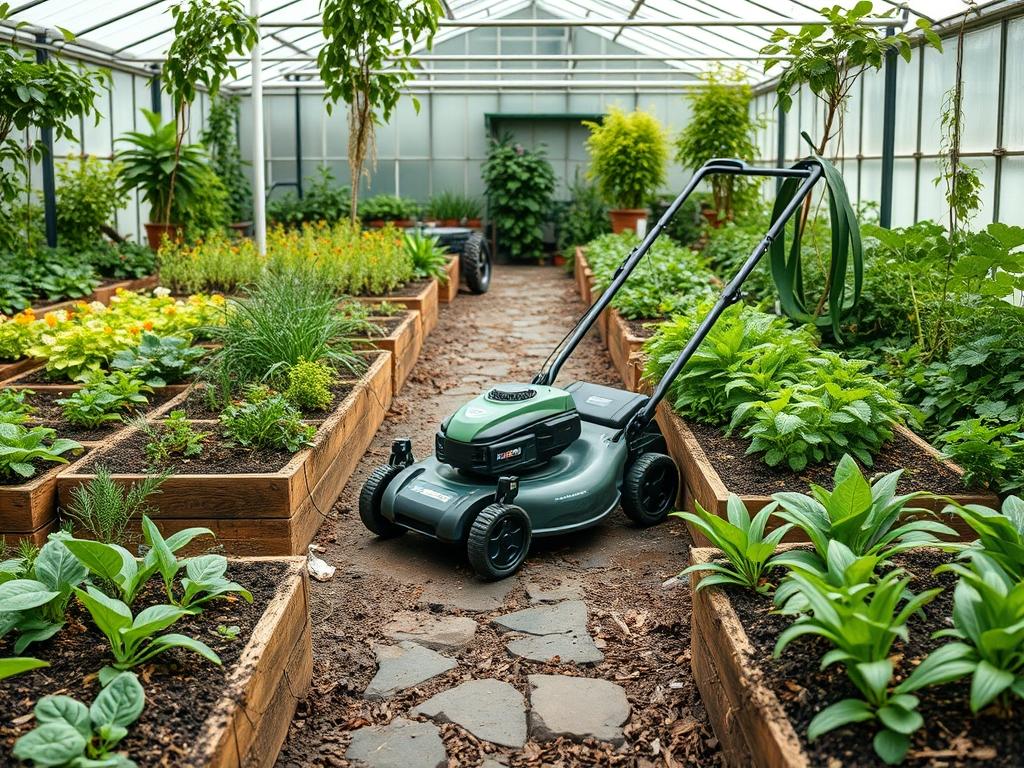
Modern residential landscapes often struggle to manage the tension between high-end aesthetic appeal and the practical constraints of ongoing maintenance. A pristine, manicured lawn serves as the foundation for any architectural achievement, yet it remains the most demanding element of the property to sustain over time. As landscape consultants, we analyze the interplay between hardscaping and softscaping to ensure that every retaining wall and French drain serves a functional purpose beyond mere decoration. The long-term success of a site plan usually depends on the consistency of its upkeep. Strategic resources such as Smart Mower Reviews help property owners bridge the gap between visionary design and daily reality. By identifying automated technologies that respect the physical boundaries of a complex environment, homeowners can reclaim hundreds of hours while maintaining a golf-course finish.
Creating an outdoor space that looks effortless requires a deep understanding of site orientation, soil composition, and climate-specific requirements. In regions with heavy clay, drainage becomes the primary engineering challenge. In arid climates, the focus shifts toward drought-resistant native plants and high-efficiency irrigation systems. Regardless of the location, the primary goal is to enhance curb appeal while maximizing the functionality of the outdoor living space. Modern landscaping is no longer just about planting shrubs; it is about creating a cohesive ecosystem where technology and nature coexist. Utilizing detailed Smart Mower Reviews allows a designer to plan for a lawn that stays consistently trimmed without the disruptive noise or labor costs associated with traditional landscaping crews.
Landscape Design Principles
Effective landscape design relies on five core pillars: symmetry, focal points, elevation layers, visual balance, and efficient circulation. Symmetry provides a sense of order, guiding the eye toward the primary residence or an architectural feature like a pergola. We often use “mirrored” planting beds where the left side of a walkway reflects the right, creating a formal entrance. Focal points, such as a Japanese Maple or a custom water feature, break up the monotony of a flat lawn and provide a destination for the viewer’s gaze.
Elevation layers are perhaps the most overlooked element of professional design. By using retaining walls or terraced beds, we can transform a sloping, unusable backyard into a series of functional “rooms.” These layers allow for different microclimates within the same yard, where shade-loving hostas can thrive beneath a canopy while sun-drenched Lavender occupies the upper tiers. Circulation involves the strategic placement of natural stone pavers or decomposed granite walkways. These paths must be wide enough for two people to walk side-by-side, typically requiring a width of at least 36 inches to 48 inches. When planning these paths, it is vital to consult Smart Mower Reviews to ensure that the chosen autonomous unit can transition between grass and hardscape without getting stuck or damaging its blades on protruding stones.
Plant and Material Selection
The following table outlines common selections for a low-maintenance, high-impact landscape that complements automated lawn care.
| Plant Type | Sun Exposure | Soil Needs | Water Demand | Growth Speed | Maintenance Level |
| :— | :— | :— | :— | :— | :— |
| Boxwood (Buxus) | Full to Part | Well-drained | Moderate | Slow | Low |
| Lavender (Lavandula) | Full Sun | Sandy/Loam | Low | Medium | Medium |
| Blue Fescue | Full Sun | Well-drained | Low | Fast | Low |
| Oakleaf Hydrangea | Part Shade | Rich / Moist | High | Fast | High |
| Japanese Maple | Part Shade | Slightly Acidic | Moderate | Slow | Medium |
| Tall Fescue (Turf) | Full to Part | Loamy | Moderate | Fast | Moderate |
When selecting materials for the edges of your lawn, consider the durability of steel edging versus traditional plastic. Steel edging provides a crisp, permanent line that prevents turfgrass from encroaching into flower beds. It also provides a solid “boundary” for smart mowers that rely on physical sensors or perimeter wires. For the base of your planting beds, a 3-inch layer of shredded hardwood mulch is recommended. This depth is sufficient to suppress weeds and retain moisture without suffocating the roots of your ornamental plants.
Implementation Strategy
The implementation phase begins with a thorough site survey to identify existing drainage patterns. Water must always flow away from the foundation of the home at a minimum grade of 2 percent. This translates to a 2-inch drop for every 10 feet of distance. Once the grading is established, the next step involves the installation of the irrigation system. Modern landscapes benefit from “smart” controllers that adjust watering schedules based on real-time weather data.
During the layout process, define the “no-mow” zones vs. the “clean-cut” zones. This is where researching Smart Mower Reviews becomes invaluable. Some mowers are better at handling narrow strips of grass, while others excel on steep inclines up to 20 degrees. By matching the lawn’s topography to the mower’s technical specifications, you avoid the need for supplemental manual trimming. For the edging, install paving stones flush with the grass level. This allows the mower’s blades to pass directly over the edge, creating a perfectly manicured transition without the need for a separate string trimmer. Finally, ensure that any mulch beds are separated from the lawn by a physical barrier that is at least 4 inches deep to prevent subterranean root runners from crossing over.
Common Landscaping Failures
The most frequent error in residential landscaping is improper plant spacing. A common mistake is planting a Boxwood according to its size at the nursery rather than its projected size at maturity. Overcrowding leads to poor air circulation, which invites fungal diseases and powdery mildew. Always refer to the maximum spread listed on the plant tag and add at least 6 inches of buffer space.
Another failure is the “mulch volcano,” where mulch is piled high against the trunk of a tree. This practice traps moisture against the bark, leading to rot and providing a habitat for boring insects. Mulch should look like a donut, not a volcano; keep it 2 inches back from the trunk. Additionally, poor irrigation planning often results in “hydro-zoning” errors. This occurs when high-water plants like Hydrangeas are placed on the same irrigation valve as drought-tolerant succulents. The result is either a drowned succulent or a wilted hydrangea. Separation of zones is essential for plant health and water conservation. Lastly, ignoring soil compaction can ruin even the most expensive sod. Before planting, use a core aerator to loosen the soil and allow oxygen to reach the root zone.
Seasonal Maintenance
Landscape management is a year-round commitment that changes with the light and temperature. In the spring, focus on “waking up” the yard. This includes applying a pre-emergent herbicide to prevent crabgrass and a balanced nitrogen fertilizer to stimulate green growth. Check the blades on your equipment; many Smart Mower Reviews suggest that starting the season with a fresh set of sharp blades is the single best way to prevent jagged, browning grass tips.
As summer heat intensifies, adjust your mower height. Keeping the grass at a height of 3.5 inches provides shade for the soil, reducing evaporation and protecting the delicate root crowns from heat stress. In autumn, the focus shifts to leaf management and overseeding. While some smart mowers can mulch small amounts of leaves, heavy accumulation must be cleared to prevent “smothering” the turf. Use the fall season to apply a slow-release fertilizer that promotes root development over winter. Finally, in the winter, winterize your irrigation by blowing out the lines to prevent freeze damage and store your autonomous mower in a dry, temperate area to preserve the battery life. Standard maintenance and a thoughtful seasonal schedule turn a beautiful design into a lasting investment.
Professional Landscaping FAQ
Can a smart mower handle steep hills or uneven terrain?
Consult specific Smart Mower Reviews for grade ratings. Many high-end models can navigate slopes between 20 and 25 degrees without slipping, provided the soil is dry and the tires have adequate tread.
How deep should my landscape edging be installed?
A minimum depth of 4 inches is recommended. This depth effectively blocks most grass rhizomes from spreading into garden beds and provides a stable surface for mowers to follow along the perimeter.
Is it necessary to use a weed barrier under mulch?
Generally, we advise against plastic barriers as they restrict soil respiration and water penetration. A thick 3-inch layer of organic mulch is more effective for long-term soil health and weed suppression.
How do I determine if my lawn has poor drainage?
If water remains standing 24 hours after a heavy rain, you likely have a drainage issue. Installing a French drain or a dry creek bed can redirect excess moisture and protect plant roots.
What is the best way to choose between different mower models?
Rely on Smart Mower Reviews that focus on battery longevity and sensor accuracy. Choose a model that matches your yard’s specific square footage and complexity to ensure efficient, automated coverage.