
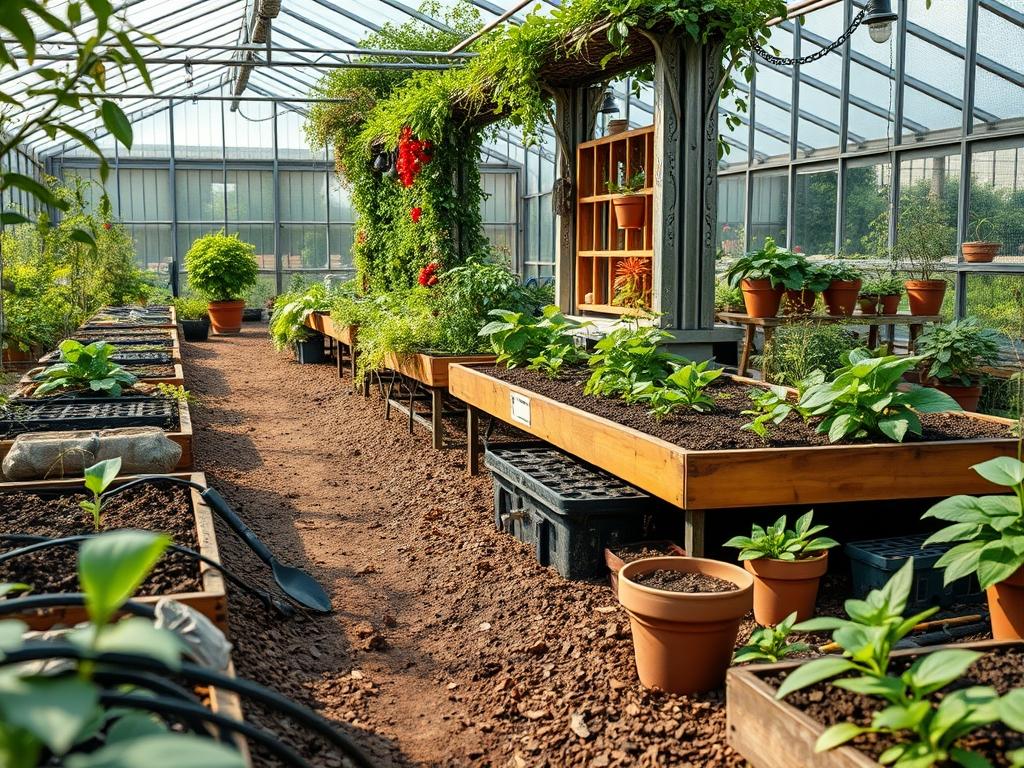
Achieving a cohesive outdoor environment in 2026 requires a sophisticated marriage between ecological responsibility and advanced automation. For the modern homeowner, the challenge no longer lies in simply finding plants that survive, but in orchestrating a landscape that thrives through intelligent energy management and precise resource allocation. As we navigate shifting climate patterns and increasing energy costs, the role of Solar Powered Garden Tech has transitioned from a novelty to a fundamental component of structural landscaping. Integrating these systems requires a deep understanding of site topography, light availability, and the specific functional goals of the space, whether that involves enhancing nighttime curb appeal or establishing a fully autonomous irrigation schedule. By leveraging the latest in photovoltaic efficiency and wireless connectivity, a well designed landscape can now operate as a self-sustaining ecosystem that reduces manual labor while maximizing aesthetic impact.
Landscape Design Principles
Successful landscape architecture begins with the concept of visual balance and structural hierarchy. In 2026, this balance is increasingly defined by how we integrate technology into the natural flow of the garden. Symmetry plays a vital role here; for instance, the placement of Solar-Powered Path Lights must mirror the architectural lines of the home to create a Sense of Arrival. These units should be spaced at intervals of 6 feet to 8 feet to ensure a continuous wash of light without creating dark “dead zones” or over-illuminating the area.
Focal points serve as the anchor of any outdoor room. A large-scale Solar-Powered Water Feature or a decorative Kinetic Sculpture with integrated lighting can draw the eye toward specific zones, such as a seating area or a specimen tree. Elevation layers are equally critical. By using Retaining Walls and tiered planting beds, you create depth that allows solar collectors to be hidden from direct view while still maintaining a clear line of sight to the southern sky.
Irrigation planning has also evolved. The design must account for hydro-zoning, which is the practice of grouping plants with similar water needs. Under this principle, Solar-Powered Drip Irrigation Controllers are installed to manage specific zones, ensuring that high-demand moisture areas do not overlap with drought-tolerant native sections. Walkways should be designed not just for transit, but as conduits for technology. Installing Permeable Pavers alongside solar-ready conduits allows for future-proofing the garden without requiring extensive excavation later.
Plant and Material Selection
Selecting the right biological components is essential to support the technical infrastructure of the garden. The following table highlights key species and materials for a resilient 2026 landscape.
| Plant Type | Sun Exposure | Soil Needs | Water Demand | Growth Speed | Maintenance Level |
| :— | :— | :— | :— | :— | :— |
| Blue Oat Grass | Full Sun | Sandy, Loamy | Low | Moderate | Low |
| Japanese Maple | Partial Shade | Slightly Acidic | Medium | Slow | Moderate |
| Creeping Thyme | Full Sun | Well-drained | Very Low | Fast | Low |
| Coneflower | Full Sun | Average | Low | Fast | Low |
| Boxwood | Partial Sun | Fertile | Medium | Slow | High |
| Stonecrop | Full Sun | Poor, Rocky | Drought Tolerant | Moderate | Very Low |
In addition to plants, material selection should focus on durability and energy capture. Use Dark Basalt Chippings or Recycled Glass Mulch to provide a high-contrast backdrop for illuminated features. For hardscaping, Light-Reflective Concrete can help bounce ambient light toward solar panels located in partially shaded areas, slightly boosting their daily charging capacity.
Implementation Strategy
The process of installing a high-tech garden must be methodical to avoid disturbing the underlying soil structure or damaging expensive hardware. Begin with a comprehensive site analysis. Use a Solar Path Finder to measure the exact hours of sunlight available in various sectors of the yard. This data determines where you will place your primary collectors and where you might need to use remote-panel systems that connect to lights or pumps via underground low-voltage wiring.
Once the layout is mapped, begin with grading and drainage. Proper slope is essential; the ground should fall away from the home at a rate of at least 2 percent. This prevents water from pooling around the bases of Solar Bollards or sensitive sensor arrays. If the site has heavy clay soil, install a French Drain using Perforated PVC Pipe and 3/4-inch Crushed Stone to redirect runoff.
Next, establish your edging. Use Heavy-Duty Steel Edging or Recycled Plastic Borders to create clean transitions between turf and planting beds. This creates a physical barrier that protects Solar-Powered Soil Moisture Sensors from being struck by lawnmowers. When installing the tech, prioritize the “backbone” first. This includes the central Smart Hub and any Mesh Network Extenders needed to ensure the signals reach the perimeter of the property.
Finally, layering the softscape involves placing your largest trees first, followed by shrubs, and ending with groundcovers. Apply a 3-inch Mulch Layer of double-shredded hardwood to regulate soil temperature. This mulch layer is particularly important for protecting the delicate wiring of Solar Spotlights that may be tucked into the foliage for up-lighting effects.
Common Landscaping Failures
The most frequent mistake in modern landscaping is ignoring the maturity size of plants. Root overcrowding can quickly lead to the failure of underground sensors and irrigation lines. If a Willow Tree is planted too close to a Drainage Field, the aggressive root system will inevitably infiltrate the pipes, leading to costly repairs. Always research the mature spread of a species before digging.
Improper spacing of solar units often leads to poor performance. If Path Lights are placed under the canopy of a rapidly growing Oak Tree, they may work perfectly for the first year but will fail as the shade increases. This is known as “future-shading,” and it can be avoided by either using remote solar cells or selecting plants that can be easily pruned to maintain a “light window.”
Soil compaction is another silent killer of garden health and technology. During the construction phase, heavy equipment can crush the air pockets in the soil, preventing water infiltration and stressing plant roots. This compaction can also shift the alignment of Solar-Powered Gate Openers or Security Cameras, leading to mechanical failure. Using Aeration Tools and incorporating organic compost can help mitigate these issues, ensuring the ground remains stable but permeable.
Seasonal Maintenance
Landscape management is a year-round commitment that changes with the light and temperature. In Spring, the focus is on “The Great Cleanse.” Wipe down the glass or plastic covers of all Solar Panels with a damp microfiber cloth to remove pollen and dust. This simple act can increase energy absorption by up to 25 percent. Inspect all Drip Irrigation Emitters for clogs and replace the batteries in any sensors that survived the winter.
During Summer, the priority shifts to water management. Monitor the data from your Smart Moisture Sensors to ensure that the Irrigation System is adjusting for heatwaves. Check the tension of any Solar-Powered Sun Sails or awnings, as high winds and heat can cause materials to sag or fray.
Autumn is the time for “Winterization.” Rake leaves away from ground-level solar lights to prevent them from being buried, which can lead to moisture trapping and corrosion. Prune back any perennial foliage that has grown over the solar collectors.
In Winter, if you live in a climate with heavy snow, use a Soft Bristle Brush to clear panels after every storm. Some Solar-Powered Tech in 2026 features “Hibernation Modes” that preserve battery health when daylight hours fall below a certain threshold. Ensure these settings are activated to prevent deep-cycle discharge, which can permanently damage Lithium-Ion Batteries.
Professional Landscaping FAQ
How do I choose the best location for solar garden lights?
Identify areas with at least 6 hours of direct sunlight. Avoid placement under dense evergreen canopies or eaves. Utilize remote-panel kits if the desired lighting area is permanently shaded by the primary architecture or tall boundary fencing.
What is the best way to prevent solar tech from being stolen?
Use Security Screws and anchor larger units into Concrete Footings. Many 2026 devices include GPS Tracking and “Tamper Alerts” that sync to your smartphone, providing immediate notification if a unit is moved from its calibrated position.
Can solar-powered irrigation systems handle large vegetable gardens?
Yes, provided you use a High-Flow Solar Pump and a sufficiently large Reservoir. Modern systems can support up to 50 Emitters, but you must ensure the solar collector is positioned for peak afternoon sun to maintain pressure.
How often should I replace the batteries in my solar devices?
Most high-quality LiFePO4 Batteries used in 2026 hardware last between 3 years and 5 years. Performance drops in extreme cold are normal, but if a light fails to last 4 hours after a sunny day, replacement is necessary.
How do I integrate solar tech without it looking cluttered?
Select “Integrated” fixtures where the panel is built into the top of the housing. Use Recessed Solar Well Lights for decks and docks. Grouping tech near structural elements like Pergolas or Trellises helps blend the hardware into the garden’s architecture.