
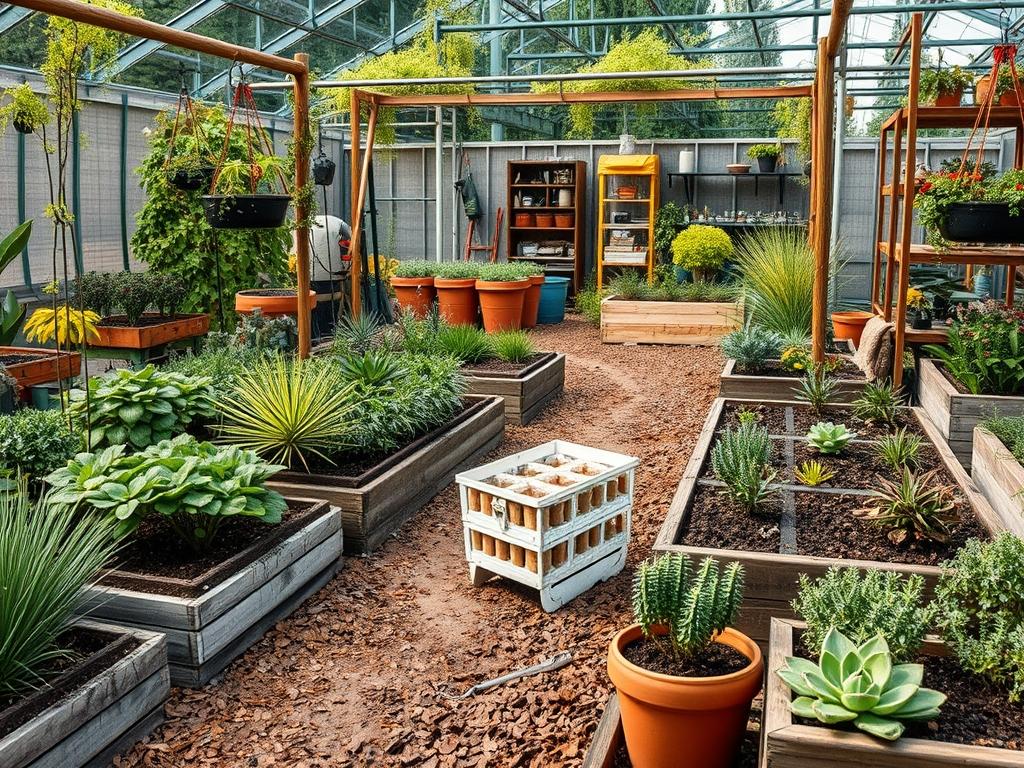
The modern landscape architect faces a dual challenge: creating an outdoor environment that provides high aesthetic value while drastically reducing the consumption of resources. Traditional turf-centric lawns are increasingly viewed as liabilities due to their extreme water requirements, fertilization needs, and labor-intensive upkeep. Transitioning to a philosophy of low-maintenance xeriscaping allows homeowners and developers to reclaim their weekends and reduce utility costs without sacrificing the curb appeal that defines a property. This approach focuses on the intentional selection of native flora, the strategic use of hardscaping, and the mastery of soil moisture retention. When executed correctly, a xeriscaped garden functions as a self-sustaining ecosystem that thrives in its local climate rather than fighting against it.
Functionality remains the cornerstone of any professional outdoor design. A xeriscaped backyard is not merely a collection of rocks and cacti; it is a meticulously planned environment that incorporates shaded seating areas, logical pathways, and vibrant textures. By diversifying the landscape with drought-tolerant species and structural elements, we can create a space that feels lush and inviting throughout the year. The goal is to maximize the utility of the land while minimizing the human intervention required to keep it healthy.
Landscape Design Principles
Effective xeriscaping begins on the drafting table. To achieve visual balance, designers focus on symmetry and focal points that draw the eye toward specific anchors, such as a large Specimen Boulder or a mature Desert Willow. By layering elevations through the use of Retaining Walls, you can create a sense of depth and volume that prevents a flat, uninteresting appearance. Integrating these structural tiers also serves a functional purpose: they can be used to manage water runoff and create distinct microclimates for different plant groups.
Grouping plants by their water requirements, a practice known as hydrozoning, is perhaps the most critical principle of water-wise design. By placing high-thirst plants in localized zones near the house or in low-lying areas where water naturally collects, you prevent the waste associated with watering the entire property to satisfy a few sensitive species. Furthermore, clear circulation paths defined by Crushed Stone or Permeable Pavers provide a logical flow through the garden. These walkways should be bordered with Steel Edging or Concrete Curbs to maintain clean lines and prevent the migration of inorganic mulch into planting beds.
Plant and Material Selection
The following table outlines high-performance plants and materials that define a professional xeriscape. These selections are chosen for their resilience, structural beauty, and minimal intervention requirements.
| Plant Type | Sun Exposure | Soil Needs | Water Demand | Growth Speed | Maintenance Level |
| :— | :— | :— | :— | :— | :— |
| Blue Weber Agave | Full Sun | Well-draining | Very Low | Slow | Minimal |
| Russian Sage | Full Sun | Poor to Average | Low | Moderate | Low (Prune once) |
| Mexican Feather Grass | Full Sun/Part Shade | Sandy/Loamy | Low | Fast | Low |
| Lavender (Munstead) | Full Sun | Gritty/Alkaline | Low | Moderate | Seasonal Trimming |
| Red Yucca | Full Sun/Part Shade | Any/Tough | Very Low | Slow | Very Low |
| Creeping Thyme | Full Sun/Part Shade | Well-draining | Moderate-Low | Fast | Walking Surface |
| Serviceberry | Full Sun/Part Shade | Acidic/Moist | Moderate | Moderate | Structural Pruning |
In addition to plant life, material selection plays a pivotal role. Decomposed Granite (DG) is a favorite among architects for its natural look and ability to provide a stable, water-permeable surface. For areas requiring higher contrast, River Rock or Lava Rock can be utilized to create dry creek beds that double as drainage channels during heavy storms.
Implementation Strategy
Transforming a traditional lawn into a low-maintenance xeriscape requires a systematic approach to site preparation. The first step involves precise grading to ensure that moisture moves away from the home foundation and toward the planting zones. If the site has significant slopes, the installation of Terraced Stone Walls may be necessary to prevent erosion. Once the grade is established, a high-quality Non-Woven Geotextile Fabric should be laid down in non-planting areas to suppress weeds, though it is often omitted in active planting beds to allow for soil gas exchange and organic matter decomposition.
After the structural elements are in place, the installation of a Drip Irrigation System is the most efficient way to deliver water directly to the root zones. Unlike traditional spray heads, drip emitters minimize evaporation and prevent water from hitting the foliage, which reduces the risk of fungal diseases. Following the planting phase, a thick layer of mulch is essential. A depth of 3 to 4 inches of Wood Chips or Cedar Bark will insulate the soil, suppress weed germination, and retain moisture. For a more modern aesthetic, Pea Gravel or Polished Pebbles can be used as a top-dressing, though organic mulches are preferred for their ability to improve soil structure over time.
Common Landscaping Failures
The most frequent mistake in xeriscaping is the “desert in a box” mentality, where soil health is completely ignored. Even drought-tolerant plants require a healthy soil microbiome. Soil compaction is a silent killer in many new builds; without aeration and the addition of Organic Compost, roots struggle to penetrate the earth and go into shock during the first heat wave. Another critical failure is improper spacing. Many homeowners plant for the size of the nursery pot rather than the mature spread of the plant. This leads to overcrowding, which creates competition for limited water and light, ultimately ruining the intended aesthetic.
Irrigation inefficiencies also rank high among common failures. Many believe that because a plant is drought-tolerant, it needs no water during its establishment period. In reality, even a Desert Willow or Agave requires regular supplemental water for the first 12 to 24 months until its root system is deep enough to sustain itself. Finally, poor drainage planning can lead to “bathtubbing,” where water pools in a planting hole because the surrounding clay soil is too dense. Utilizing French Drains or Catch Basins in low spots can prevent root rot in plants that prefer dry feet.
Seasonal Maintenance
While xeriscaping is low-maintenance, it is not “no-maintenance.” Each season requires specific actions to keep the ecosystem balanced. In the Spring, the focus should be on inspecting the Irrigation Lines for leaks or clogged emitters. This is also the time to prune back ornamental grasses and remove any dead wood from woody perennials. Applying a pre-emergent weed barrier early in the season can significantly reduce manual weeding tasks in the summer.
Summer maintenance involves monitoring the performance of the heat-loving species and adjusting the Smart Irrigation Controller according to local weather data. If the mulch layer has thinned out, top it off to protect the roots from extreme surface temperatures. During Autumn, the gardener should focus on cleaning up fallen debris and leaves that may smother groundcovers. It is also an excellent time for planting new specimens, as the cooler air and warm soil encourage root growth without the stress of high heat. In Winter, the primary task is protection. In regions with occasional frost, sensitive succulents may need to be covered with Frost Blankets. Additionally, reducing water frequency during the dormant season is vital to prevent root rot.
Professional Landscaping FAQ
How much water does a xeriscape actually save compared to turf?
A professionally designed xeriscape can reduce outdoor water consumption by 50 to 80 percent. By replacing thirsty fescue or bermuda grass with native perennials and hardscaping, homeowners significantly lower their monthly utility bills while maintaining a lush, architectural environment.
Will my xeriscape look like a wasteland of rocks?
Absolutely not. Modern xeriscaping utilizes a diverse palette of flowering perennials, ornamental grasses, and structural shrubs. By focusing on texture and seasonal color, we create gardens that are more vibrant and visually interesting than a monoculture lawn of green grass.
Is xeriscaping more expensive to install than a traditional lawn?
The initial investment for xeriscaping is often higher due to the cost of plants, boulders, and specialized irrigation. However, the long-term ROI is superior because you eliminate recurring costs for mowing, heavy fertilization, aeration, and excessive water usage every month.
Can I use any rock for my xeric garden mulch?
Selection depends on plant needs. Light colored rocks reflect heat and may scorch sensitive plants, while dark rocks absorb heat and warm the soil. Use Lava Rock for better aeration or Decomposed Granite for a softer, organic appearance in high-traffic zones.
Do I still need an irrigation system for native plants?
Yes, especially during the first two years of establishment. Even native species require consistent moisture to develop deep root systems. After establishment, the system serves as insurance against extreme droughts, providing supplemental hydration only when the environmental conditions become severe.