
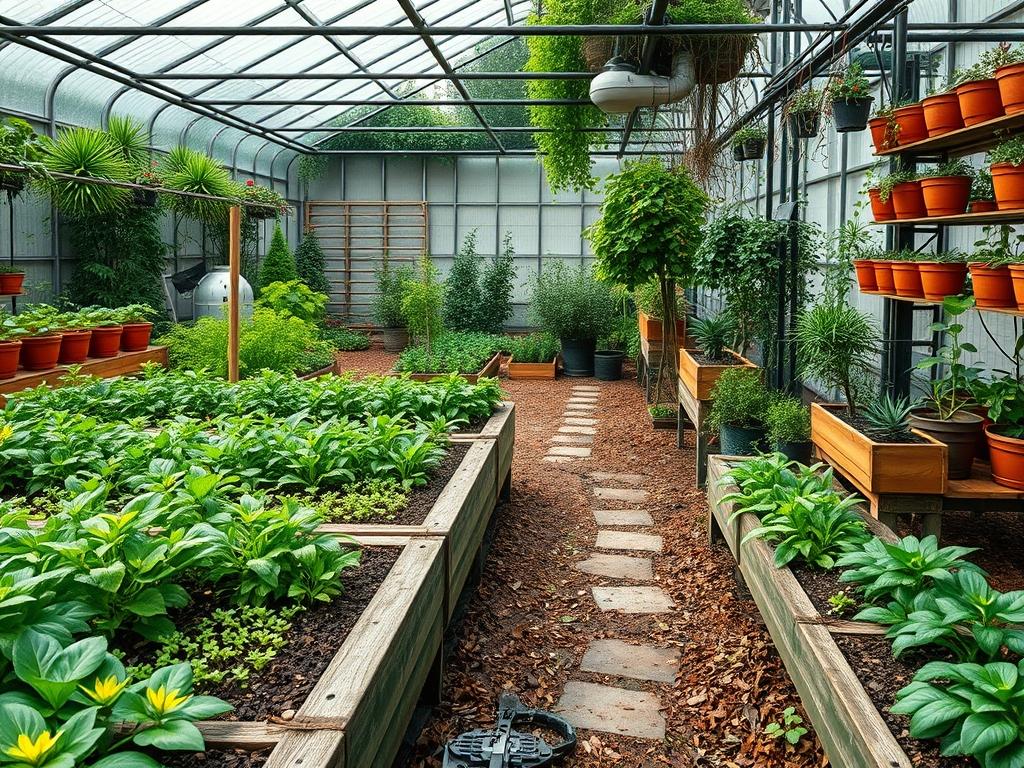
Modern residential landscaping is no longer just about aesthetic appeal; it is an exercise in environmental stewardship and precision engineering. Homeowners today face the dual challenge of maintaining vibrant curb appeal while navigating increasingly unpredictable climate patterns and rising utility costs. A lush, healthy garden serves as more than a visual backdrop. It functions as a cooling agent for the home, a habitat for local pollinators, and an extension of the indoor living space. However, the success of these outdoor environments depends heavily on the underlying infrastructure. This is where the integration of technology and horticulture becomes vital. Achieving a sustainable landscape requires a move away from manual watering and toward a comprehensive Smart Irrigation Installation that responds to the specific biological needs of the soil and the flora it supports.
Landscape Design Principles
A professional landscape begins with a master plan that prioritizes both form and function. Symmetry and balance are the first considerations; they provide the visual framework that guides the eye through the space. Whether practicing formal symmetry with mirrored plantings or informal balance using varied textures, the goal is to create a sense of order. Focal points, such as a specimen Japanese Maple or a custom stone water feature, serve as the anchor of the design. These elements provide a destination for the viewer and define the purpose of specific garden sections.
Elevation layers are equally critical for depth. By utilizing Retaining walls and raised beds, a designer can create vertical interest even on a flat lot. These layers allow for the grouping of plants with similar needs, a practice known as hydrozoning. For example, thirsty shade-loving species can be grouped at the base of a slope where moisture naturally collects, while drought-tolerant succulents occupy the higher, drier ground.
Effective irrigation planning is the silent partner of aesthetic design. When considering a Smart Irrigation Installation, the system must be mapped alongside the hardscape. Walkways and patios must be clear of spray patterns to prevent slip hazards and stone erosion. Visual balance is maintained when the hardware, such as Pop-up spray heads or Valve boxes, is strategically hidden within the foliage or beneath a thin layer of decorative rock. A well-designed system ensures that every square foot of the property receives precisely the amount of water required, preventing both the parched patches that ruin curb appeal and the saturated zones that lead to root rot.
Plant and Material Selection
Selecting the right biological components is the most significant variable in long-term garden health. The following table highlights common selections for a modern, efficient landscape:
| Plant Type | Sun Exposure | Soil Needs | Water Demand | Growth Speed | Maintenance Level |
| :— | :— | :— | :— | :— | :— |
| Blue Oat Grass | Full Sun | Well-drained | Low | Moderate | Low |
| Japanese Maple | Partial Shade | Loamy, acidic | Moderate | Slow | Medium |
| Dwarf Boxwood | Full to Partial | Neutral pH | Moderate | Slow | High (Pruning) |
| Coneflower | Full Sun | Sandy/Rocky | Low | Fast | Low |
| Creeping Thyme | Full Sun | Sandy | Low | Moderate | Low |
| Heritage River Birch | Full Sun | Moist, Clay | High | Fast | Medium |
Implementation Strategy
The transition from a blueprint to a functional backyard requires a logical, stepped approach. The first phase is site preparation, which focuses on grading and drainage. The land must be sloped away from the home foundation at a minimum of 2 percent grade to ensure that heavy rainfall does not cause structural damage. During this phase, installers should lay down the primary PVC piping and Subsurface drip lines. A Smart Irrigation Installation is most effective when it includes a Weather-based controller that adjusts run times based on real-time local forecasts.
Once the subterranean work is complete, hardscaping elements like Pavers, Flagstone, and Steel edging define the perimeter of the beds. Edging is a functional necessity; it prevents lawn grass from encroaching into the garden and keeps Hardwood mulch in place. When planting begins, each hole should be dug to at least twice the width of the root ball to allow for easy expansion.
The final touch in implementation is the application of mulch. A consistent 3-inch depth of organic mulch is recommended. This layer serves three purposes: it suppresses weed growth, regulates soil temperature, and significantly reduces the evaporation of water. For a truly smart system, Soil moisture sensors should be buried at the root level of several key zones. These sensors communicate directly with the irrigation hub, halting the watering cycle if the ground is already sufficiently hydrated from recent rain.
Common Landscaping Failures
Many homeowners encounter significant setbacks due to avoidable errors during the initial setup. Drainage mistakes are the most frequent culprit. Without a proper French drain or dry creek bed to redirect runoff, water pools in low spots, killing expensive turf and creating breeding grounds for insects. Soil compaction is another silent killer. During construction, heavy machinery presses the air out of the soil, making it nearly impossible for roots to penetrate or for water to reach the subsoil. Aerating the ground before planting is a non-negotiable step for long-term health.
Improper spacing often stems from a lack of foresight regarding the mature height and width of plants. What looks like a cozy arrangement of Emerald Green Arborvitae today can become an overcrowded, diseased mess in five years as the branches compete for light and air. Similarly, irrigation inefficiencies often result from poor head placement. If a Rotary nozzle is spraying the side of a fence rather than the lawn, it leads to wood rot and wasted water. A professional Smart Irrigation Installation avoids these pitfalls by utilizing pressure-regulated heads and check valves that prevent water from leaking out of the lowest point in the system after it shuts off.
Seasonal Maintenance
A landscape is a living entity that requires different levels of care as the calendar turns. In the spring, the focus is on reactivation. This involves flushing the irrigation lines to remove any sediment that accumulated over the winter and checking each Emitter for clogs. Pruning dead wood from trees and applying a fresh layer of Compost helps stimulate new growth.
Summer shifts the priority to stress management. During peak heat, the smart system may need to be adjusted to include a “cycle and soak” feature, which applies water in short bursts to allow for maximum absorption in hardened summer soil. Autumn is the ideal time for renovation. Replacing dead plants and overseeding the lawn ensures a quick recovery the following year. It is also the season for “winterization,” where the irrigation main line is shut off and the pipes are blown out with an Air compressor to prevent freezing and bursting.
Winter is predominantly a dormant period, but it is the best time for structural pruning. With the leaves gone, the skeleton of the tree is visible, making it easier to identify crossing branches or weak unions. Checking the Smart controller battery and updating its software ensures that the system is ready to operate as soon as the first thaw of spring arrives.
Professional Landscaping FAQ
What is the primary benefit of a smart controller?
A smart controller automatically adjusts your watering schedule based on local weather data. This prevents watering during rainstorms or high winds, which saves money and preserves plant health by preventing overwatering and anaerobic soil conditions.
How deep should my irrigation pipes be buried?
Main lines should typically be buried at least 12 inches deep, while lateral lines leading to individual heads can be at 8 to 10 inches. This protects the PVC piping from lawn aerators, shovels, and frost heave.
Is drip irrigation better than traditional sprinklers?
Drip irrigation is significantly more efficient for garden beds because it delivers water directly to the root zone. This reduces evaporation and keeps foliage dry, which minimizes the risk of fungal leaf diseases common in many ornamental plants.
Why is my lawn still brown despite regular watering?
This is often caused by soil compaction or “thatch” buildup, which prevents water from reaching the roots. Alternatively, your nozzles may have poor “head-to-head” coverage, leaving dry gaps that require physical adjustment of the Spray pattern.
When is the best time of day to water?
The ideal time is between 4:00 AM and 8:00 AM. Early morning watering allows the grass to dry during the day, reducing disease risk, and ensures less water is lost to the midday sun and wind.