
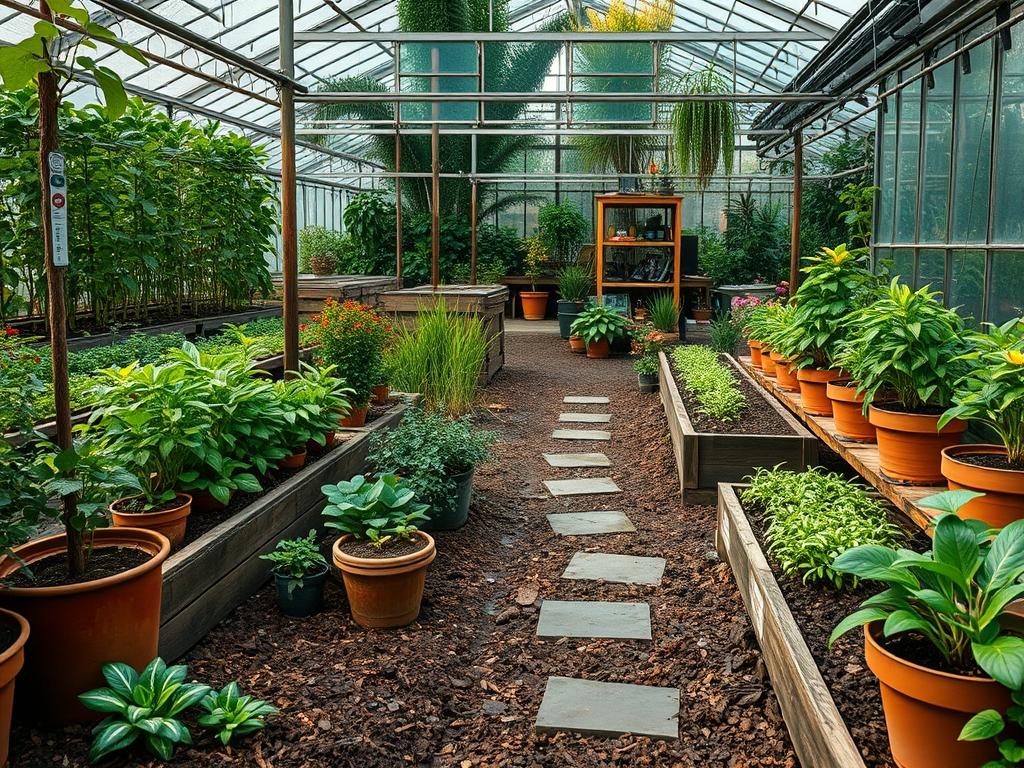
The evolution of residential exterior design has reached a pivotal junction where the rigidity of architecture meets the fluidity of the natural world. As we look toward 2026, the primary landscaping challenge lies in balancing high density urban living with the necessity for private, functional green spaces. Modern hardscaping patterns have shifted away from the predictable, staggered brickwork of the past toward more aggressive, geometric configurations that define outdoor rooms with surgical precision. These designs must account for increasing climate volatility; this means prioritizing permeable surfaces and heat reflective materials that mitigate the urban heat island effect. Homeowners now demand a seamless transition from interior floorplans to exterior lounges, where the curb appeal is not merely a visual asset but a functional extension of the home square footage. Achieving this requires a rigorous understanding of site topography, local microclimates, and the structural integrity of the materials chosen to underwrite the landscape.
Landscape Design Principles
A successful modern landscape relies on the foundational principle of intentionality through symmetry and visual mass. When deploying modern hardscaping patterns, practitioners often utilize the “Golden Ratio” to dictate the scale of Large Format Porcelain Pavers against the surrounding turf or groundcover. High contrast is a recurring theme for 2026, where dark Basalt Strips might delineate light Granite Slabs. This creates a rhythm that guides the eye toward specific focal points, such as a custom Steel Fire Pit or a monolithic water feature.
Elevation plays a critical role in defining these spaces. By incorporating Terraced Retaining Walls at heights of 18 inches, designers create natural seating areas while managing soil erosion on sloped lots. These layers allow for the integration of hidden Low-Voltage LED Tape Lights, which accentuate the geometry of the stone during evening hours. Furthermore, irrigation planning must be integrated into the hardscape blueprint from the outset. Sub-surface Drip Irrigation Lines should be routed alongside walkways to ensure that moisture reaches root zones without causing the efflorescence or staining often seen when overhead sprinklers hit high end stone surfaces.
Visual balance is achieved by softening these hard lines with strategic softscaping. The use of “negative space,” such as a perfectly rectangular patch of Dwarf Mondo Grass set within a grid of pavers, provides a sensory break from the density of the masonry. This approach ensures that the garden feels like a curated gallery rather than a sterile plaza. Every walkway should serve a purpose; wide, primary paths of 36 to 48 inches identify main circulation routes, while narrower secondary paths of 24 inches encourage a slower, more intimate exploration of the plantings.
Plant and Material Selection
The bridge between the built environment and the biological one is established through a palette of resilient species and durable materials. For 2026, the focus is on “Living Hardscapes,” where plants are treated as architectural components.
| Plant Type | Sun Exposure | Soil Needs | Water Demand | Growth Speed | Maintenance Level |
| :— | :— | :— | :— | :— | :— |
| Boxwood (Buxus) | Full Sun to Shade | Well-Drained | Moderate | Slow | High (Clipping) |
| Blue Fescue | Full Sun | Rocky/Sandy | Low | Medium | Low |
| Japanese Maple | Partial Shade | Acidic/Loamy | Moderate | Slow | Medium |
| Columnar Hornbeam | Full Sun | Heavy Clay/Loam | Moderate | Fast | Low |
| Silver Falls Dichondra | Full Sun to Part Shade | Well-Drained | Low | Fast | Low |
| Agave Americana | Full Sun | Gritty/Dry | Very Low | Slow | Low |
For the hardscaping itself, Permeable Interlocking Concrete Pavers (PICP) are becoming the industry standard to meet stringent municipal drainage requirements. These are often laid in a Herringbone or Running Bond pattern to maximize structural interlocking. To finish the look, Black Polished River Pebbles or Decomposed Granite are used in the joints to allow for water infiltration while maintaining a clean, modern aesthetic.
Implementation Strategy
The successful execution of a modern garden layout begins with professional grading. You must ensure a minimum 2 percent slope away from the home foundation to prevent hydrostatic pressure and basement flooding. Once the grade is established, the excavation for the hardscape should reach a depth of at least 8 to 12 inches, depending on the local frost line and soil type.
Start by laying a Woven Geotextile Fabric over the subgrade to prevent the intermixing of native soil and your base material. Over this, add a 6 inch layer of Crushed ¾-inch Road Base, which must be compacted in 2 inch lifts using a Vibratory Plate Compactor. This creates a stabilized platform that resists settling over time. For the geometric paving, a 1 inch bed of Sharp Sand or Finely Chipped Stone acts as the setting bed for the pavers.
When laying the units, use String Lines and a Large Spirit Level to maintain perfectly straight courses. Precision cutting with a Wet Masonry Saw is required for any borders or “picture frame” edges. Once the pavers are set, sweep Polymeric Sand into the joints and mist with water to activate the binding polymers. For the planting beds, install Aluminum Edging to create a sharp, permanent break between the mulch and the stone. Apply a 3 inch layer of Triple-Shredded Hardwood Mulch to retain moisture and suppress weeds around your new specimen plants.
Common Landscaping Failures
The most frequent failure in modern hardscaping is inadequate drainage. While a surface may look level, water will invariably find the low point; if that point is against a Retaining Wall without proper Weep Holes and 4-inch Perforated Drain Tile, the structure will eventually rotate or collapse. Another common error is root overcrowding. Designing a tight geometric grid around a fast growing tree species, like a Red Maple, without accounting for the eventual trunk flare will result in heaved pavers within five to seven years.
Improper spacing of irrigation emitters also leads to “dry spots” in high visibility areas, causing expensive plant losses. Soil compaction is another silent killer; if the heavy machinery used during hardscape installation compacts the planting zones, the resulting lack of pore space will drown the roots of Native Wildflowers and Shrubs. Finally, many homeowners neglect the “sub-base” for their walkways. Using a base that is too thin or poorly compacted results in “tripping hazards” as individual pavers shift during freeze-thaw cycles.
Seasonal Maintenance
A modern landscape requires a disciplined maintenance schedule to preserve its sharp lines and structural integrity.
- Spring: This is the most active period. Inspect all hardscape joints for “washout” and replenish Polymeric Sand where needed. Prune Boxwoods and other formal hedges just as the new growth appears to maintain geometric shapes. Apply a pre-emergent weed control to all Mulched Beds and check the Irrigation Controller for any leaks or clogged nozzles.
- Summer: Focus on moisture management. During heat waves, deeply water Japanese Maples and other ornamental trees early in the morning. Monitor Porcelain Pavers for organic staining from fallen berries or bird droppings; clean these promptly with a pH neutral stone cleaner to avoid etching the surface.
- Autumn: Clear all leaf litter from the hardscape immediately. Decomposing leaves can leave tannin stains on light colored stone like Travertine. This is also the time to shut down and blow out the Irrigation System to prevent pipe bursts during the winter.
- Winter: Avoid using rock salt (sodium chloride) on high end modern pavers, as it can cause pitting and surface degradation. Use Calcium Magnesium Acetate or simple Sand for traction. Inspect Retaining Walls for any signs of movement caused by ice expansion in the soil.
Professional Landscaping FAQ
What are the best materials for a modern driveway in 2026?
Large Format Concrete Slabs and Permeable Pavers are the top choices. They offer high compressive strength while allowing for geometric customization. To increase durability, ensure the base is reinforced with Geogrid and a minimum of 8 inches of compacted stone.
How do I prevent weeds from growing between my pavers?
The use of high quality Polymeric Sand is the most effective deterrent. This material hardens like mortar when activated by water, creating a barrier that seeds cannot easily penetrate. Maintaining the integrity of these joints is essential for a weed free look.
Are native plants compatible with a modern geometric design?
Absolutely. Many Native Grasses and Perennials offer the structural form required for modern aesthetics. Species like Little Bluestem or Switchgrass provide verticality and movement that beautifully contrast with the static, sharp lines of stone or Corten Steel edging.
What is the average lifespan of a professional hardscape installation?
When installed with a proper Compacted Sub-base and high quality materials like Porcelain or Natural Granite, a hardscape can last 25 to 50 years. Longevity depends entirely on the quality of the initial grading and the ongoing maintenance of the joints.
Can I install large pavers directly on top of my existing soil?
No. Installing pavers directly on soil leads to rapid settling, uneven surfaces, and breakage. You must excavate the area and replace the soil with a Non-Frost Susceptible base of Crushed Stone to ensure a stable and level outdoor environment.