
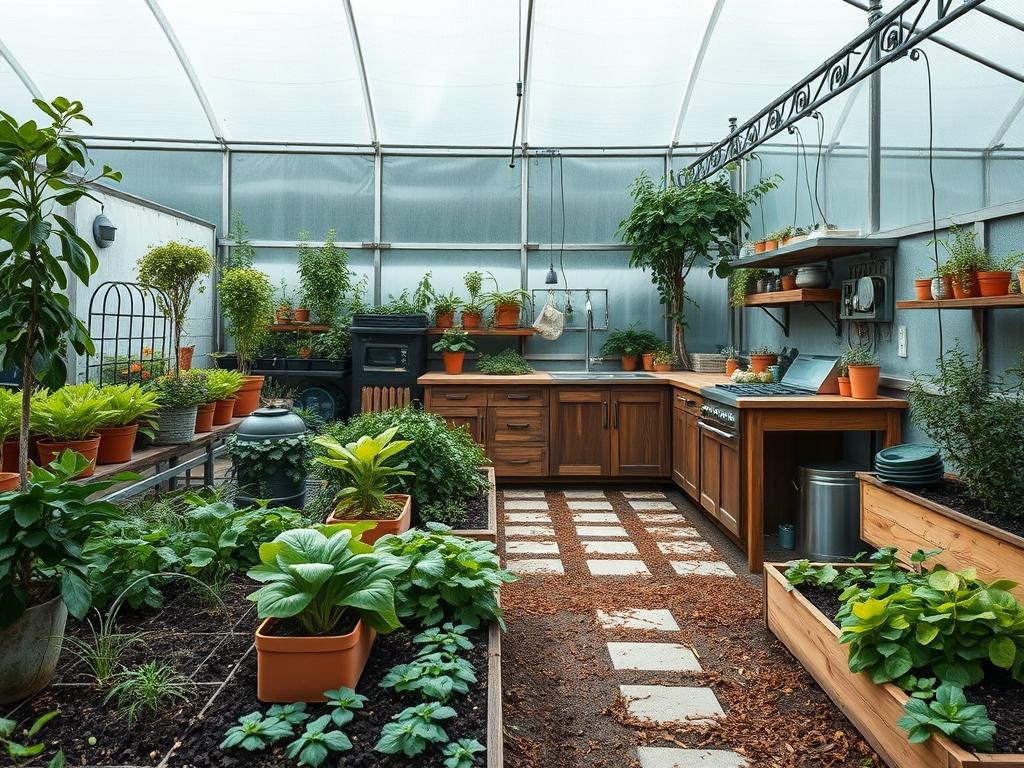
The transformation of a standard backyard into a high-end culinary sanctuary requires more than just a grill and a patio set. To achieve a professional result, a landscape architect must harmonize the structural elements of the home with the organic fluidity of the garden. The primary challenge lies in the transition between day and night, where functionality often competes with atmosphere. Effective Outdoor Kitchen Lighting serves as the bridge between these two states, ensuring that the chef has sufficient visibility for food preparation while guests enjoy a warm, inviting ambiance. Climate considerations play a pivotal role in this planning phase. High-humidity environments require corrosion-resistant fixtures, while colder regions demand materials that can withstand the freeze-thaw cycle without cracking. Beyond mere utility, a well-executed lighting and audio plan significantly boosts curb appeal and property value. It extends the usable hours of the outdoor living space, turning a daytime deck into a sophisticated evening lounge. By integrating sound and light directly into the natural landscape, you create an immersive environment that masks neighborhood noise and highlights the architectural beauty of the foliage.
Landscape Design Principles
A successful outdoor environment relies on the core principles of symmetry, visual balance, and focal points. When designing around an outdoor kitchen, the layout should guide the eye toward the primary cooking station while using elevation layers to create depth. For instance, low-level path lights can define the ground plane, while mid-level wash lights illuminate retaining walls and shrubbery. High-level moonlighting from trees provides a soft, natural glow over the entire area.
Irrigation planning must occur simultaneously with electrical layouts. It is critical to ensure that water lines for the garden do not interfere with the low-voltage transformers or the PVC conduit used for audio cables. Furthermore, walkways should be wide enough to accommodate foot traffic, typically 36 to 48 inches, and should be lit with staggered fixtures to avoid the look of a runway. Visual balance is achieved by mirroring heavy structures, such as a large stone hearth, with dense pairings of Evergreen shrubs or large decorative boulders on the opposite side. This creates a sense of permanence and intentionality in the design.
Plant and Material Selection
The selection of plants around a kitchen area must prioritize low-debris species to prevent leaves or sap from landing on cooking surfaces. The following table provides a guide for selecting flora that complements a high-use outdoor living area.
| Plant Type | Sun Exposure | Soil Needs | Water Demand | Growth Speed | Maintenance Level |
| :— | :— | :— | :— | :— | :— |
| Boxwood | Full to Partial | Well-drained | Moderate | Slow | Low |
| Lavender | Full Sun | Sandy/Gravelly | Low | Medium | Medium |
| Tall Fescue | Full to Shade | Loamy | High | Fast | High |
| Crepe Myrtle | Full Sun | Adaptable | Moderate | Fast | Low |
| Ornamental Grass | Full Sun | Moist/Well-drained | Low | Medium | Very Low |
| Japanese Maple | Partial Shade | Slightly Acidic | Moderate | Slow | Medium |
When selecting hardscape materials, Bluestone or Travertine are preferred for kitchen surrounds due to their durability and heat-resistance. These materials provide a stable base for heavy appliances and withstand the weight of masonry walls. Mulch should be applied at a depth of 2 to 3 inches to retain moisture for the surrounding plants, but it should be kept back several inches from the base of electrical fixtures to prevent rot or overheating of the wiring hubs.
Implementation Strategy
The execution of a landscape plan begins with meticulous grading. The site must slope away from the kitchen and the home foundation at a rate of at least 2 percent to ensure proper drainage. If the site is naturally flat or bowl-shaped, the installation of French drains or a dry creek bed may be necessary to divert runoff. Once the grade is established, the hardscaping phase begins. This involves laying the foundation for the kitchen island, the patio, and any retaining walls.
During the hardscaping phase, installers should bury schedule 40 PVC conduit for all Outdoor Kitchen Lighting wires and audio cables. It is much more cost-effective to run these lines before the stone or concrete is poured. For audio, directional satellite speakers should be placed every 10 to 15 feet within the planting beds, angled toward the seating area to contain the sound and avoid disturbing neighbors. After the structural elements are in place, edging is used to create clean lines between the lawn and the garden beds. Finally, soil is amended with organic matter before the plants are installed. A layer of high-quality hardwood mulch finishes the project, providing a professional look while protecting the new root systems.
Common Landscaping Failures
The most frequent mistake in outdoor projects is ignoring drainage. Water pooling around an outdoor kitchen can lead to the shifting of heavy stone structures and the short-circuiting of electrical components. Another common error is root overcrowding. Homeowners often plant for the size of the shrub today, rather than its size five years from now. This leads to hidden speakers being swallowed by foliage or tree roots lifting the pavers of the patio.
Soil compaction is a silent killer of new landscapes. During the construction of the outdoor kitchen, heavy machinery often packs the soil so tightly that oxygen and water cannot reach the roots of newly planted trees. This must be remediated through aeration or tilling before the final planting. Additionally, irrigation inefficiencies occur when sprinkler heads are blocked by lighting fixtures or when they spray directly onto the kitchen cabinetry, leading to premature weathering of the stainless steel or wood finishes. Proper spacing and nozzle selection are essential to keep the moisture on the plants and off the expensive appliances.
Seasonal Maintenance
Modern outdoor environments require year-round attention to preserve the integrity of the lighting and audio systems. In the spring, focus on cleaning LED fixtures by removing mineral deposits from the lenses with a soft cloth and mild vinegar solution. This is also the time to test the irrigation system for leaks caused by winter freezes. Check all speaker connections for signs of oxidation and ensure the subwoofer, if buried, is not sitting in a pool of water.
During the summer, the primary task is moisture management. Ensure that the mulch is still thick enough to prevent soil evaporation and prune any aggressive growth that may be blocking the Outdoor Kitchen Lighting paths. In the autumn, leaf removal is paramount. Wet leaves left on Bluestone can cause permanent staining, and debris gathered in the kitchen tracks can become a fire hazard. Finally, during the winter, it is wise to cover sensitive outdoor electronics if they are not rated for extreme cold. While many modern systems are designed for year-round exposure, protecting the low-voltage transformer and the primary audio amp from heavy snow loads will extend their lifespan significantly.
Professional Landscaping FAQ
How do I choose the right lights for my kitchen?
Prioritize task lighting over grills and prep counters using under-counter LED strips or adjustable spotlights. Use warmer, softer ambient lights for seating areas to create a relaxing atmosphere that does not compete with the food preparation zones.
Where should I place outdoor speakers?
Place satellite speakers at the perimeter of the living area, facing inward toward the listener. This configuration provides a consistent soundstage at lower volumes, which maintains audio clarity without the sound bleeding into your neighbor’s property or surrounding garden.
Why is drainage so important for outdoor kitchens?
Excess water can destabilize the foundation of heavy masonry and corrode the electrical connections for your Outdoor Kitchen Lighting. Proper grading and French drains prevent pooling, ensuring your investment remains structurally sound and functionally safe.
How deep should I bury my electrical wires?
Low-voltage lighting wire should be buried at least 6 inches deep, while any high-voltage lines for appliances must be buried at least 18 inches down inside a protective PVC conduit to meet standard building codes and avoid accidental damage.
Which plants are best near a grill?
Select heat-hardy, low-debris plants like Lavender or Boxwood. Avoid oily evergreens or plants with delicate blooms that might wilt from the radiant heat of the grill or drop petals into the food preparation and cooking areas.