
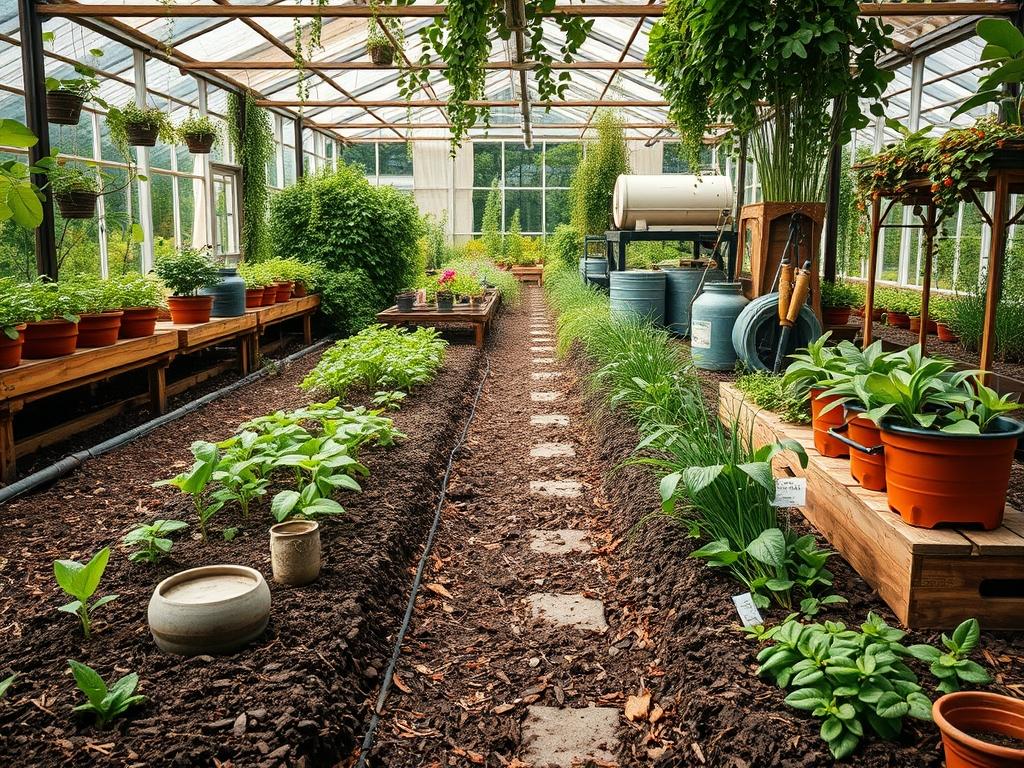
The landscape of the modern home is undergoing a fundamental shift as we approach 2026. For decades, residential design focused primarily on aesthetic uniformity and the high-maintenance perfection of the traditional lawn. However, shifting weather patterns, increasing urban heat indices, and fluctuating precipitation levels have made these older models obsolete. Today, climate-resilient planting stands as the gold standard for homeowners and developers alike. This approach does not merely aim to survive extreme conditions; it seeks to create a self-sustaining ecosystem that enhances curb appeal while minimizing resource consumption. Designing for resilience requires a deep understanding of site-specific variables, from the way wind moves across a flat lot to the way water pools at the base of a structural foundation. By prioritizing durability and ecological fitness, we can build outdoor environments that remain lush and functional even as the regional climate becomes more unpredictable.
Success in this new era of landscaping depends on moving away from high-input ornamentalism toward a strategy rooted in environmental performance. A resilient garden acts as a thermal buffer for the home, reducing cooling costs in the summer and providing wind protection in the winter. It also serves as a critical sponge for stormwater, preventing the erosion and runoff that often plague traditional suburban developments. Achieving these goals requires a disciplined transition process. To move toward a climate-resilient model, one must integrate robust architectural principles with a sophisticated selection of flora. This guide outlines the essential components of that transition, focusing on structural integrity, biological diversity, and long-term maintenance efficiency.
Landscape Design Principles
Effective landscape design begins with the concept of layering and elevation. In a climate-resilient framework, a garden is viewed in three dimensions rather than as a flat surface. By utilizing overstory trees, understory shrubs, and groundcover, you create a cooling canopy that protects the soil from direct solar radiation. This vertical organization helps regulate the temperature of the microclimate, ensuring that delicate species are shielded from the harshest afternoon sun. Symmetry is a useful tool for creating visual order, but it should be applied to the architectural bones of the garden; such as Retaining Walls and Stone Walkways; rather than to the plants themselves. Nature is rarely perfectly symmetrical, and a resilient garden values the organic balance of clustered plantings over the rigid, vulnerable rows of the past.
Focal points should be selected for their year-round presence and structural reliability. While a flowering perennial provides a beautiful burst of color, a well-placed Basalt Boulder or a sturdy White Oak provides the visual anchor that holds a design together during the dormant season. Irrigation planning must be baked into the initial design phase through a technique known as hydro-zoning. This involves grouping plants with identical water requirements together in the same irrigation circuit. By placing high-water plants in low-lying areas where runoff naturally collects, and drought-tolerant species on higher, well-drained slopes, you maximize every gallon of water. Walkways should be constructed from permeable materials like Decomposed Granite or Open-cell Pavers to allow water to infiltrate the ground rather than overwhelming local drainage systems.
Plant and Material Selection
Selecting the right biological assets is a localized science. For 2026, the emphasis is on native cultivars that have evolved to handle regional soil types and pest pressures without heavy chemical interventions. The following table highlights several versatile options for a modern, resilient palette.
| Plant Type | Sun Exposure | Soil Needs | Water Demand | Growth Speed | Maintenance Level |
| :— | :— | :— | :— | :— | :— |
| Quercus Virginiana | Full Sun | Adaptive/Loamy | Low once established | Moderate | Low |
| Lavandula Angustifolia | Full Sun | Well-drained/Sandy | Very Low | Fast | Medium (Pruning) |
| Panicum Virgatum | Full to Part Sun | Any/Compacted | Low to Moderate | Fast | Low |
| Echinacea Purpurea | Full Sun | Average/Neutral | Low | Moderate | Low |
| Carex Pensylvanica | Shade to Part Sun | Moist/Loamy | Moderate | Slow | Low |
| Amelanchier Canadensis | Part Sun/Shade | Acidic/Moist | Moderate | Moderate | Moderate |
Implementation Strategy
The actual installation of a climate-resilient landscape relies on site preparation and precision. Begin with a thorough grading of the property. The soil should be sloped away from the home’s foundation at a minimum rate of 2 percent to ensure proper drainage. Once the grade is established, use a Laser Level to identify low spots that might require a French Drain or a dry creek bed constructed from River Rock. These features manage heavy rainfall events by channeling water to rain gardens or underground cisterns.
Next, focus on edging and soil health. Use Steel Edging or Concrete Borders to define beds clearly, which prevents aggressive grasses from encroaching on your planting zones. Before any plants go into the ground, amend the existing soil with organic compost and a Slow-release Fertilizer. This builds the microbiological life necessary for root systems to thrive. When planting, ensure that the root ball of each specimen is level with the surrounding soil. Deep burial can lead to trunk rot, while shallow planting exposes roots to desiccation. Once the plants are in place, apply a layer of Arborist Wood Chips or Triple-milled Cedar Mulch at a depth of 3 inches. This mulch layer is the primary defense against soil evaporation and weed germination.
Common Landscaping Failures
The most frequent mistake in modern landscaping is improper spacing, often referred to as root overcrowding. Homeowners frequently purchase plants based on their size at the garden center rather than their mature dimensions. Within three to five years, these plants begin to compete for nutrients and water, leading to the decline of the entire bed. Always research the mature width of your species and provide at least 12 inches of buffer space between the projected edges of adjacent plants.
Soil compaction is another silent killer of resilient gardens. Throughout the construction process, heavy machinery and frequent foot traffic can crush the air pockets in the soil, preventing oxygen from reaching the roots. Use a Broadfork or Mechanical Aerator to loosen the soil before planting. Additionally, drainage mistakes often occur when “hardscaping” is prioritized over the natural flow of water. If you install a solid Concrete Patio without considering the downstream impact, you may find that your nearby flower beds become waterlogged and anaerobic. Always integrate gravel-filled trenches or perforated pipes to alleviate hydraulic pressure.
Seasonal Maintenance
Climate-resilient planting does not mean zero maintenance; it means smarter maintenance. In the spring, focus on soil testing and the removal of winter debris. Use a Soil pH Kit to determine if you need to adjust acidity before the growing season begins. This is also the time to check your Drip Irrigation Emmitters for clogs. As summer heat intensifies, adjust your watering schedule to the early morning hours to minimize evaporation. Instead of light, daily watering, opt for deep, infrequent cycles that encourage roots to grow deeper into the cooler subsoil.
Autumn is the ideal time for structural pruning. Use Bypass Pruners to remove dead or crossing branches from trees and shrubs, which improves airflow and reduces the risk of fungal diseases. It is also the best season for refreshing your mulch layer to protect roots against the coming frost. During winter, maintenance is largely observational. Monitor for signs of wind desiccation and use Burlap Wraps on young or particularly sensitive evergreen species if a polar vortex is forecasted. By following this seasonal rhythm, you ensure that the landscape remains healthy enough to withstand the shocks of the next calendar year.
Professional Landscaping FAQ
What is the primary benefit of hydro-zoning?
Hydro-zoning groups plants by water necessity, preventing over-watering and under-watering. This method saves significant resources by allowing Drip Irrigation systems to deliver precise amounts of moisture only where needed, which reduces water bills and prevents plant stress.
How deep should my mulch layer be?
A depth of 3 inches is ideal for most residential applications. This thickness provides adequate moisture retention and weed suppression without suffocating the soil. Avoid “mulch volcanoes” piled against tree trunks, as these trap moisture and encourage bark rot.
Can I use native plants in a formal garden design?
Absolutely. Many native species, such as Boxwood alternatives or structural grasses, can be pruned into formal shapes. Resilient planting is about the biological origin of the plant, not necessarily a wild or overgrown aesthetic. Symmetry and resilience can coexist.
Why is soil aeration so important for resilience?
Aeration creates channels for air, water, and nutrients to reach the root zone. In compacted soil, roots struggle to expand, making the plant more vulnerable to drought. Healthy, aerated soil acts as a reservoir, supporting the plant during extreme heat.
What is the best way to handle heavy runoff?
Install a Rain Garden at the lowest point of your property. By using deep-rooted plants and a base of Crashed Stone, you can capture and filter runoff, allowing it to slowly recharge the groundwater rather than flooding your lawn.