
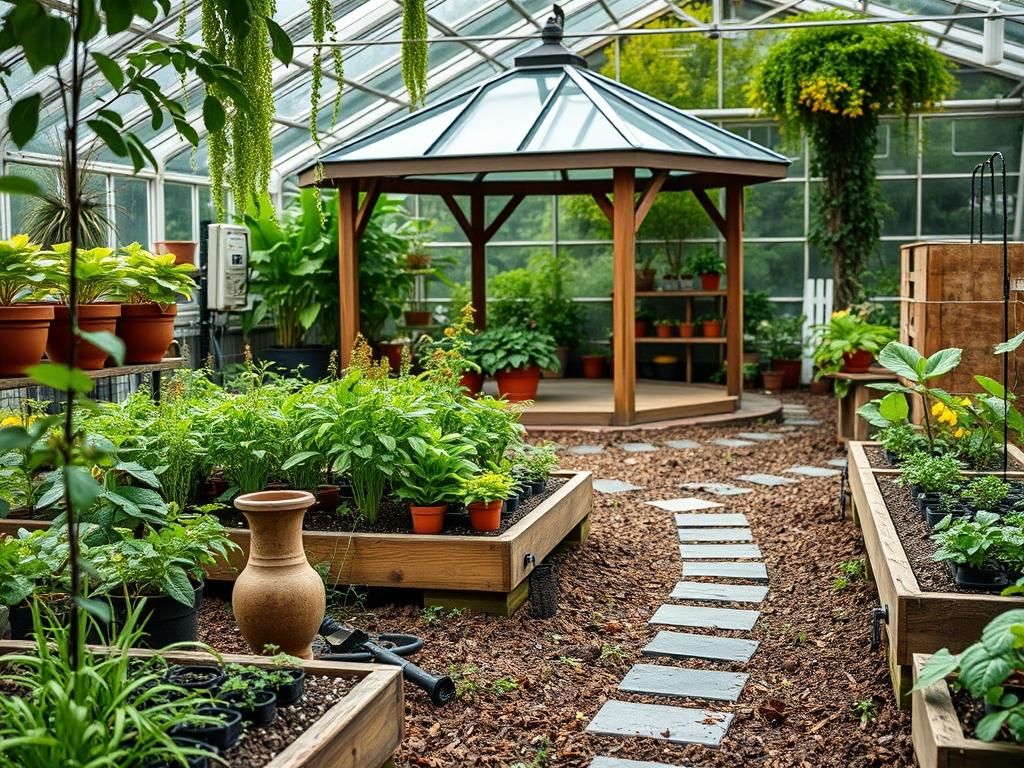
Integrating a high quality structure into a residential landscape requires more than just clearing a space and assembling components. The modern backyard has evolved into a sophisticated extension of the interior living room, where the transition between architectural elements and natural surroundings must be seamless. When homeowners consider a Modern Deck Gazebo Top, they are not merely looking for shade; they are seeking a structural focal point that defines the outdoor experience. The challenge for any landscape architect lies in balancing the rigid lines of a contemporary gazebo with the organic, fluid movements of the garden. This involves a deep understanding of site orientation, prevailing wind patterns, and the specific microclimate created by the structure itself. A well placed gazebo provides a sense of enclosure while maintaining an open connection to the horizon, enhancing curb appeal and significantly increasing the usable square footage of the property.
Functionality remains the primary driver of modern design. A gazebo positioned too far from the main house may go unused, while one placed too close can obstruct natural light coming through interior windows. We must also consider the verticality of the design. A Modern Deck Gazebo Top dictates how shadows fall across the lawn and where heat accumulates during the peak summer months. By evaluating the site through the lens of environmental impact and human ergonomics, we can create a space that feels both intentional and revitalizing. This approach ensures that the investment in high quality hardscaping translates into a long term asset that matures alongside the surrounding flora.
Landscape Design Principles
Achieving a professional finish requires adherence to foundational design principles that govern spatial awareness and visual flow. Symmetry plays a vital role in modern aesthetics, though it often manifests as asymmetrical balance rather than mirror imaging. For instance, the heavy presence of a Steel Frame Gazebo on one side of a deck can be balanced by a cluster of large Terracotta Planters or a built-in stone bench on the opposite side. Focal points are equally crucial; the Modern Deck Gazebo Top naturally draws the eye upward, so the ground level must provide a stabilizing visual anchor. We use elevation layers to prevent the landscape from feeling flat. This involves utilizing Retaining Walls to create multi-tiered garden beds that bridge the height difference between the deck surface and the natural grade of the yard.
Irrigation planning must be integrated at the conceptual stage. Modern decks often suffer from dry zones directly beneath or adjacent to the structure because the roof blocks natural rainfall. We solve this by installing a dedicated drip system or subterranean Oozing Hoses that ensure constant moisture levels without surface runoff. Walkway design should facilitate a logical progression from the back door to the gazebo and then out into the wider garden. Use materials like Basalt Pavers or Decomposed Granite to create paths that are at least 36 inches wide, allowing two people to walk side by side comfortably. This spatial consideration transforms the garden from a collection of plants into a navigable environment.
Plant and Material Selection
Selecting the right materials and biological components is essential for a low maintenance yet high impact environment. The following table outlines optimal choices for the zones surrounding a modern outdoor structure.
| Plant Type | Sun Exposure | Soil Needs | Water Demand | Growth Speed | Maintenance Level |
| :— | :— | :— | :— | :— | :— |
| Japanese Maple | Partial Shade | Loamy, Acidic | Moderate | Slow | Low |
| Boxwood Hedge | Full Sun to Shade | Well-Drained | Moderate | Medium | High (Pruning) |
| Lavender | Full Sun | Sandy, Alkaline | Low | Fast | Low |
| Ornamental Grass | Full Sun | Adaptable | Low | Fast | Low |
| Hydrangea | Partial Sun | Rich, Moist | High | Medium | Moderate |
| Creeping Thyme | Full Sun | Poor to Average | Low | Medium | Very Low |
For hardscaping, the choice of Composite Decking or Natural Ipe Wood will dictate the longevity of the structure. Use Stainless Steel Fasteners to prevent rust staining, which is a common eyesore on modern installations.
Implementation Strategy
The process begins with precise site grading. Before any timber or steel is delivered, the ground must be sloped at a 1 percent to 2 percent grade away from the home foundation and the deck footings. This prevents water from pooling in the crawlspace or under the deck boards. Once the grade is established, we use a Leveling Transit to ensure the deck frame is perfectly horizontal. For the Modern Deck Gazebo Top installation, ensure the support posts are anchored into Concrete Sonotubes that extend below the frost line, typically 36 inches to 42 inches deep depending on local building codes.
Edging provides the clean lines necessary for a modern look. Use Aluminum Edging or Corten Steel to create a sharp boundary between the lawn and the mulch beds. When applying mulch, a depth of 3 inches is the industry standard; this is thick enough to suppress weed growth and retain moisture, but not so thick that it suffocates the root flares of the trees. For the walkways, start with a base of 4 inches of crushed limestone, compacted with a Power Tamper, before laying the final surface material. This prevents settling and ensures a stable, trip free surface for years to come.
Common Landscaping Failures
One of the most frequent errors in garden planning is the failure to account for drainage around the deck perimeter. When a Modern Deck Gazebo Top sheds water, it creates a concentrated line of impact on the ground below. Without a French Drain or a bed of River Rock, this water will eventually erode the soil and potentially undermine the deck footings. Another common mistake is root overcrowding. Homeowners often plant Leyland Cypress or similar fast growing evergreens too close to the structure. Within five years, these plants can push against the gazebo or lift deck boards with their expansive root systems.
Soil compaction is a silent killer of landscape health. During the construction of the deck and gazebo, heavy machinery and foot traffic compress the earth, destroying the air pockets necessary for root respiration. It is vital to aerate the soil and incorporate Organic Compost once the heavy construction is finished. Finally, irrigation inefficiencies often stem from a lack of zoning. Grouping plants with different water needs together leads to either overwatering or drought stress. Utilizing a Smart Irrigation Controller with weather sensing capabilities ensures that each zone receives exactly what it needs based on current atmospheric conditions.
Seasonal Maintenance
Landscape management is a year round commitment that changes with the tilt of the earth. In the spring, the focus is on renewal. This is the time to apply a Slow Release Fertilizer to the lawn and garden beds. Inspect the Modern Deck Gazebo Top for any winter damage, such as loose bolts or compromised roofing panels. Prune any winter killed branches from your Boxwood or Hydrangea to encourage new growth.
Summer shifts the priority to hydration. High temperatures require deep, infrequent watering cycles rather than light daily misting. Check the tension on any Sun Sails or fabric elements of the gazebo, as heat can cause materials to stretch. Autumn is for preparation. Rake leaves away from the deck boards to prevent rot and use a Leaf Blower to clear the gazebo roof of debris. This is also the best time to plant new perennials and bulbs, as the soil is warm but the air is cool. Winter maintenance is primarily about protection. Ensure that heavy snow loads are cleared from the gazebo top to prevent structural warping. If you have a Natural Wood Deck, a fresh coat of UV Resistant Sealer applied in late autumn will protect the fibers from the harsh freeze and thaw cycles of the winter months.
Professional Landscaping FAQ
What is the best way to handle runoff from a gazebo roof?
Install a hidden Gutter System that feeds into a Pop-Up Emitter or a rain barrel. This prevents soil erosion and allows you to repurpose rainwater for irrigation, keeping the surrounding plant beds healthy without increasing your water bill.
How far should I plant trees from my modern deck?
Standard canopy trees should be at least 15 feet away from the structure. This prevents falling branches from damaging the Modern Deck Gazebo Top and ensures that the root systems do not interfere with the stability of the deck footings or foundation.
Which mulch is best for a modern, clean look?
Dark Brown Triple Shredded Hardwood or Black Dyed Mulch provides a high contrast backdrop that makes the green foliage of your plants pop. Avoid large nuggets, as they tend to float away during heavy rainstorms and look less refined.
Does a gazebo require a special permit for installation?
Generally, any structure with a roof over a certain size, typically 120 square feet, requires a building permit. Always check local zoning laws and HOA guidelines regarding height restrictions and setbacks from property lines before starting your modern gazebo project.
How can I light my gazebo without visible wires?
Use Integrated LED Strip Lighting recessed into the rafters or Solar Powered Copper Wire Lights that can be tucked into the structural grooves. This maintains the clean, minimalist lines of the Modern Deck Gazebo Top while providing essential nighttime ambiance.