
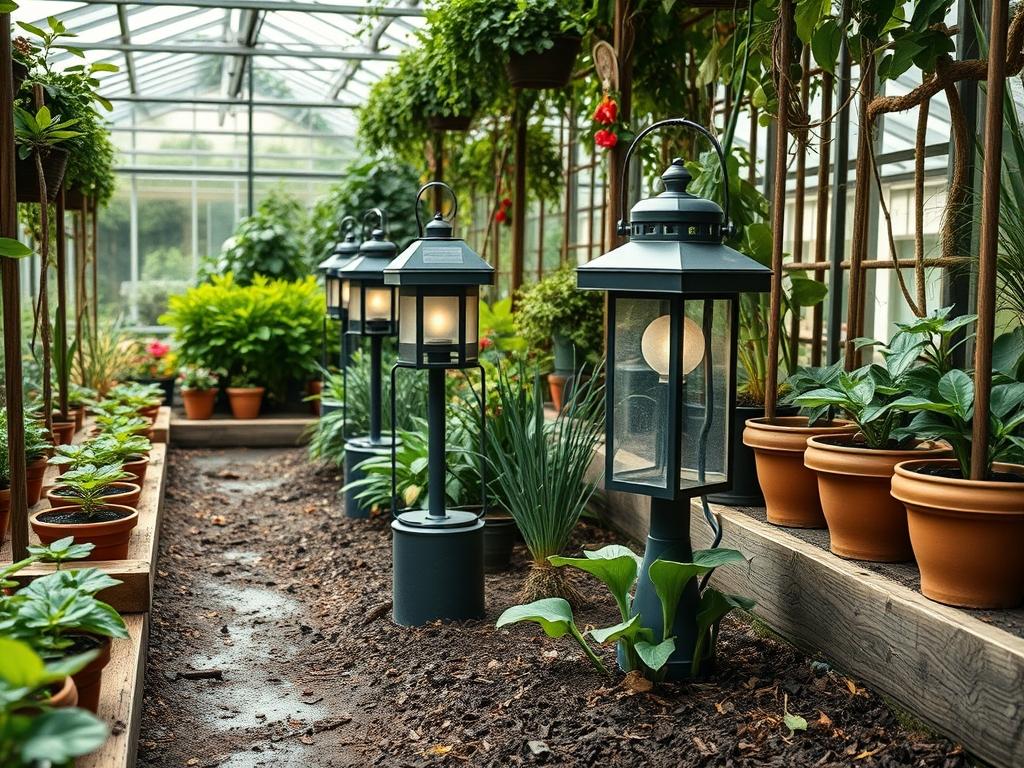
The modern outdoor environment serves as an extension of the primary residence, necessitating a sophisticated approach to both biological and architectural elements. A successful landscape plan balances aesthetic desires with the harsh realities of local climate, soil composition, and site topography. When we approach a blank site, we must first analyze the environmental constraints, including wind corridors, sun paths, and existing water runoff patterns. Integrating high performance lighting, particularly when selecting from the Solar Garden Lanterns Top options, requires an understanding of how light interacts with shadows and foliage texture at night. Curb appeal is often the primary driver for residential projects, but long term functionality depends on the invisible infrastructure, such as drainage systems and soil health, that supports the visible plant life.
The integration of lighting into a professional landscape is no longer an afterthought. It is a critical component of site safety and visual flow. By utilizing Solar Garden Lanterns Top selections, homeowners can delineate pathways and highlight specimen trees without the invasive process of trenching for high voltage wires. This flexibility allows for a dynamic lighting design that can evolve as the garden matures. The primary goal of any outdoor consultant is to create a sense of place that feels both intentional and sustainable, ensuring that every element, from a retaining wall to a perennial border, contributes to a cohesive narrative of the land.
Landscape Design Principles
Effective landscape design relies on several core principles that guide the placement of every leaf and stone. Symmetry is often used in formal gardens to create a sense of order and prestige. By mirroring plantings on either side of a central axis, such as a slate walkway, we draw the eye toward a primary focal point, perhaps a refined sculpture or a grand entrance. Conversely, asymmetrical balance offers a more relaxed, naturalistic feel that mimics the randomness of the wild while still adhering to a structured plan.
Focal points are essential for directing visual traffic within the garden. A focal point can be a large specimen tree, such as a weeping cherry, or a structural element like a cedar pergola. These areas of interest should be highlighted by strategic lighting. Using Solar Garden Lanterns Top products to flank a focal point ensures that the garden remains a three-dimensional experience after sunset. Elevation layers are also vital. We design in tiers, starting with groundcovers, moving to mid-tier shrubs, and finishing with an overhead canopy. This layering creates depth and prevents the landscape from appearing flat or two-dimensional.
Visual balance must also account for hardscaping and irrigation. A garden that looks beautiful but lacks a proper irrigation system or logical footpaths will eventually fail or become a maintenance burden. We utilize negative space, such as a well-manicured Kentucky Bluegrass lawn or a pea gravel terrace, to give the eye a place to rest between densely planted zones. This contrast highlights the complexity of the plant material and the clean lines of the architectural features.
Plant and Material Selection
Choosing the right materials and flora is the most subjective yet consequential part of the planning process. The following table outlines several hardy options for a temperate landscape.
| Plant Type | Sun Exposure | Soil Needs | Water Demand | Growth Speed | Maintenance Level |
| :— | :— | :— | :— | :— | :— |
| Buxus sempervirens | Full Sun/Part Shade | Well-drained, Loamy | Moderate | Slow | Medium |
| Lavandula angustifolia | Full Sun | Sandy, Alkaline | Low | Medium | Low |
| Acer palmatum | Part Shade | Rich, Acidic | High | Slow | Medium |
| Echinacea purpurea | Full Sun | Any, Well-drained | Low | Fast | Low |
| Pachysandra terminalis | Full Shade | Moist, Organic | Medium | Medium | Very Low |
Beyond plant life, the selection of hardscape materials defines the durability of the space. For high traffic areas, we recommend natural flagstone or interlocking pavers set on a 6 inch base of crushed limestone. For mulch, shredded hardwood or dark pine bark should be applied at a depth of 3 inches to retain moisture and suppress weeds. Avoid using plastic weed barriers under mulch; instead, use a biodegradable landscape fabric or cardboard to allow the soil to breathe and microorganisms to thrive.
Implementation Strategy
The transition from a design on paper to a physical landscape requires a systematic approach. The first step is grading. The land must be sloped at a minimum 2 percent grade away from any building foundations to prevent water ingress. If the site has significant slopes, we install retaining walls built from CMU blocks or natural boulders to create level planting terraces. Once the grade is established, we install the primary drainage infrastructure, including French drains or catch basins in low-lying areas.
After the heavy earthwork is complete, we focus on edging. Clean edges between the lawn and planting beds are achieved using steel edging or poured concrete curbs. This prevents turf grass from creeping into the garden beds. When planting, the root flare of every tree must be visible above the soil line. Planting too deep is a common mistake that leads to trunk rot and eventual tree death. After the plants are in the ground, we install any Solar Garden Lanterns Top fixtures to mark the edges of the new walkways. Finally, a consistent layer of organic mulch is applied, ensuring that the mulch does not touch the base of the plant stems, which can encourage fungal infections.
Common Landscaping Failures
The most frequent failure in residential landscaping is poor drainage. Standing water will suffocate root systems and lead to the death of even the most resilient species. Many homeowners overlook the importance of a percolation test before planting, resulting in gardens that drown during the first heavy rain. Another common error is improper spacing. It is easy to plant small shrubs close together for immediate impact, but within three years, these plants will overcrowd one another, leading to poor air circulation and pest infestations.
Soil compaction is another silent killer. During construction, heavy machinery compresses the soil, destroying the pore spaces that hold oxygen. If the soil is not properly tilled and amended with organic compost before planting, the plants will struggle to establish a deep root system. Irrigation inefficiencies also plague many yards. Over-watering is just as damaging as under-watering; it leaches nutrients from the soil and encourages shallow root growth. Smart controllers and drip irrigation lines are the professional standard for ensuring water is delivered directly to the root zone without waste.
Seasonal Maintenance
A professional landscape is a living entity that requires year round attention. In the spring, the focus is on renewal. This includes pruning dead segments from shrubs, applying a pre-emergent herbicide to prevent weed seeds from germinating, and refreshing the mulch layers. This is also the time to test your Solar Garden Lanterns Top batteries and clean the solar panels to ensure maximum charging efficiency as the days lengthen.
Summer maintenance centers on water management and deadheading flowers to encourage a second bloom. During periods of extreme heat, irrigation should be performed in the early morning to minimize evaporation. Autumn is the season for soil improvement. We recommend core aeration for lawns and the application of a high-phosphorus fertilizer to support root development before the ground freezes. Leaves should be shredded and used as compost or removed to prevent them from smothering the grass. In winter, protection is key. Use burlap wraps for sensitive evergreens and ensure that any delicate hardscape features are protected from salt damage during snow removal.
Professional Landscaping FAQ
How often should I clean my solar garden lanterns?
You should wipe the solar panels with a damp cloth every three months. Dust and pollen buildup can reduce the charging capacity by over 30 percent, significantly dimming the light output during the evening hours.
What is the best way to improve heavy clay soil?
Incorporate 3 to 4 inches of organic compost or well-rotted manure into the top 8 inches of soil. Avoid adding sand alone, as this can create a concrete-like consistency. Organic matter improves both drainage and aeration.
When should I prune my flowering shrubs?
Prune spring-blooming shrubs immediately after their flowers fade. For summer-blooming varieties, prune them in late winter or early spring before new growth begins. Always use sharp, sterilized bypass pruners for clean cuts.
How deep should my planting beds be?
For most ornamental plants, a bed depth of 12 to 18 inches of quality topsoil is sufficient. For larger shrubs or small trees, you may need to ensure the soil is loosened to a depth of 24 inches to facilitate growth.
Can I use solar lanterns for security lighting?
Solar Garden Lanterns Top selections are excellent for ambient and path lighting. However, for high-security needs, they should be supplemented with motion-activated LED floodlights that provide a much higher lumen output and wider coverage area.