
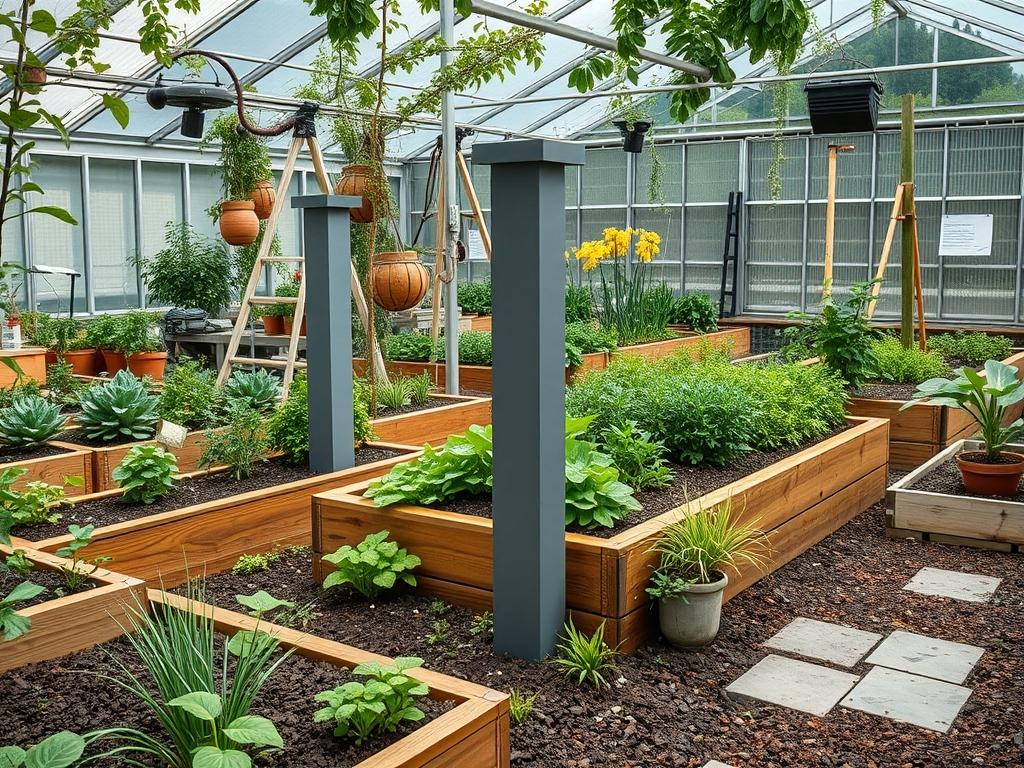
Integrating vertical architectural elements into a cohesive landscape design requires a keen understanding of both structural aesthetics and ecological balance. When heritage decks or modern platforms feature standard dimensional lumber, the visual weight often feels utilitarian rather than curated. Modern deck post covers serve as the bridge between the rigid geometry of the home and the organic fluidity of the surrounding garden. These covers, whether constructed from powder coated aluminum, stone veneer, or high density polyethylene, provide a clean finish that hides weathered pressure treated wood. From a landscaping perspective, the installation is not merely a carpentry task. It is an opportunity to redefine the focal points of the outdoor living space. Climate considerations play a massive role here; in regions with high humidity or heavy snowfall, moisture management between the post and the cover is paramount to prevent fungal rot. By upgrading these transition points, a designer can improve curb appeal significantly, turning a functional support into a sculptural detail that anchors the entire backyard layout.
Landscape Design Principles
Successful garden planning relies on the principle of visual balance. When installing modern deck post covers, the perceived mass of the deck increases. To counter this, a landscape architect must use elevation layers to ground the structure. This is achieved by placing mid sized shrubs near the base of the posts to soften the transition from vertical to horizontal planes. Symmetry is another vital tool. If your deck layout is asymmetrical, using uniform post covers can provide a sense of rhythm that leads the eye across the space toward a secondary focal point, such as a water feature or an outdoor kitchen.
Elevation also dictates how we view these structures. For raised decks, the covers provide a continuous line that draws the eye upward, making the space feel more expansive. Below the deck, the area often becomes a dead zone for plant life due to lack of sunlight. Here, irrigation planning becomes essential. By integrating a drip irrigation system behind the landscaping around the posts, you ensure that the surrounding greenery thrives without creating excess moisture that could splash back and stain the new post covers. Walkways should be designed to intersect with these vertical markers, using the posts as natural “gateways” that define the entrance to different garden rooms. This creates a logical flow through the environment, ensuring that the hardscaping and softscaping exist in a symbiotic relationship.
Plant and Material Selection
Selecting the right flora to complement modern deck post covers involves balancing aesthetic texture with biological requirements. The following table outlines optimal choices for framing these structural elements.
| Plant Type | Sun Exposure | Soil Needs | Water Demand | Growth Speed | Maintenance Level |
| :— | :— | :— | :— | :— | :— |
| Miscanthus sinensis | Full Sun | Well Drained | Moderate | Fast | Low |
| Buxus microphylla | Partial Shade | Loamy/Rich | Consistent | Slow | Medium |
| Lavandula angustifolia | Full Sun | Sandy/Alkaline | Low | Moderate | Low |
| Heuchera | Full Shade | Humus Rich | Moderate | Moderate | Low |
| Hydrangea macrophylla | Partial Sun | Moist/Acidic | High | Fast | Medium |
| Carex oshimensis | Shade to Sun | Moist | Moderate | Moderate | Low |
For the covers themselves, hardware choice is critical. Using stainless steel fasteners prevents the streaking often caused by galvanized nails. Material selection should mirror the architectural style of the home. Contemporary structures benefit from sleek, matte black metal sleeves, while traditional estates may require the warmth of stacked stone or faux granite textures.
Implementation Strategy
The installation process begins long before the first sleeve is slid over a post. Proper site preparation involves grading the soil around the deck footings to ensure water moves away from the structural supports. Start by using a trenching shovel to clear a perimeter around each post. Excavate approximately three inches of soil and replace it with a compacted gravel base. This serves as a drainage layer that prevents the bottom of the modern deck post cover from sitting in standing water or mud.
Once the grade is set, measure the height of each post. Common 4×4 posts or 6×6 posts may have twisted over time, so it is necessary to check for plumb using a 48 inch level. If the wood is severely warped, you may need to install shims or trim the wood to ensure the cover fits securely. Before sliding the cover on, apply a clear wood preservative to the existing lumber. If the cover is a “snap together” model, start from the base and work upward, ensuring the interlocking seams are tight. For one piece sleeves, ensure the deck railing is temporarily detached if necessary. After the covers are secure, install the base trim and post caps. The cap should be sealed with a UV resistant silicone caulk to prevent rainwater from entering the cavity between the post and the sleeve. Finally, apply a two inch layer of hardwood mulch or river rock around the base to provide a clean finish and suppress weed growth.
Common Landscaping Failures
The most frequent mistake in deck renovations is the neglect of subsurface drainage. When homeowners install beautiful post covers but fail to address the soil grade, they create a “bathtub effect” where water pools inside the cover base. This leads to accelerated decay of the structural post, which is hidden from view until it becomes a safety hazard. Another common failure is root overcrowding. Planting large species like Salix or Acer too close to the deck posts can lead to root systems heaving the concrete footings, misaligning the deck and cracking the post covers.
Soil compaction is another silent killer of landscape vitality. During the deck construction or the installation of hardscaping, heavy foot traffic packs the earth so tightly that air and water cannot reach the roots of surrounding plants. Always use a garden fork to aerate the soil before planting around your new posts. Furthermore, failing to account for the “rain shadow” effect can lead to plant death. The deck above often blocks natural rainfall from reaching the plants immediately adjacent to the posts. Without a dedicated irrigation strategy, these plants will wither even in rainy seasons. Ensure that any polyethylene tubing for irrigation is buried at least four inches deep to avoid damage from string trimmers or edging tools.
Seasonal Maintenance
Landscape management is a year round commitment that changes with the light and temperature. In the spring, inspect the base of each post cover for signs of frost heave. If the ground has shifted, you may need to re level the surrounding stones or mulch. This is also the time to apply a slow release fertilizer to the boxwoods or grasses framing the deck. As summer arrives, the focus shifts to moisture. Check your drip lines for clogs and ensure that mulch depth is maintained at two to three inches to retain soil coolness. Inspect post covers for insect activity; wasps often find the gaps under post caps to be ideal nesting sites.
Autumn requires a thorough cleaning. Organic debris like fallen leaves or pine needles can trap moisture against the base of the covers, leading to staining or mold growth. Use a soft bristle brush and mild soap to wipe down metal or vinyl covers. For stone veneer, a low pressure garden hose is sufficient. In winter, avoid using harsh de icing salts near the deck posts. These salts can chemically react with metal covers or leach into the soil, killing the root systems of your carefully selected plants. Instead, use sand for traction or calcium magnesium acetate, which is significantly less corrosive to both the hardscaping and the local biology.
Professional Landscaping FAQ
How do I prevent my deck post covers from fading?
Select covers with high UV inhibitors and a Kynar 500 finish for metal. For composite materials, apply a specialized UV protectant spray annually. Keeping surrounding foliage trimmed prevents uneven “tanning” streaks caused by partial shade.
What is the best way to hide the gap at the bottom?
Install a matching base skirt or molding kit. These are designed to snap around the bottom of the cover, hiding any uneven cuts. Framing the base with Mexican beach pebbles also creates a professional, intentional transition.
Can I install lighting inside the post covers?
Yes, many modern covers are designed for low voltage LED integration. Run the wiring up the interior of the sleeve before securing the cap. Ensure the transformer is sized correctly for the total wattage of all deck lights.
Will post covers cause my wood posts to rot faster?
Not if installed correctly with adequate ventilation. Always leave a small gap at the top or use breathable post wraps if you live in a high humidity climate. Treating the wood with a copper based preservative before installation is essential.
What should I do if my posts are not perfectly plumb?
Use plastic shims to create a level surface for the cover to rest against. If the post is significantly leaned, you may need to use a “modular box” style cover that allows for more internal clearance than a tight fitting sleeve.