
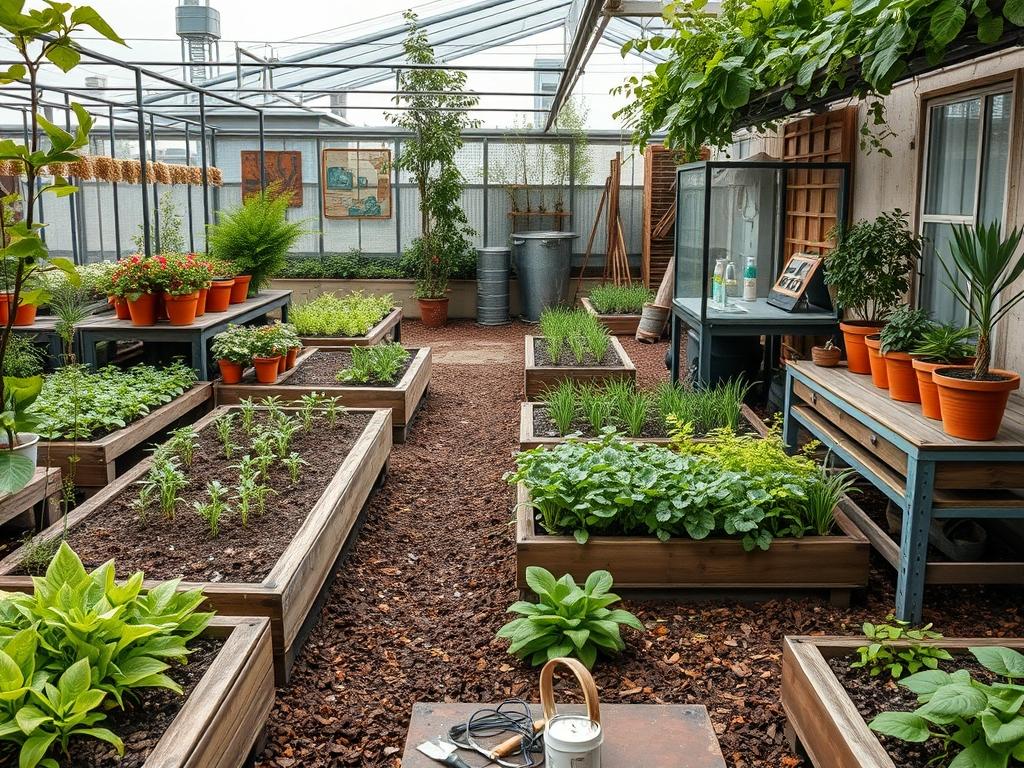
Urban environments present a unique paradox for the modern landscape architect. While the demand for green space has never been higher, the available land at street level is virtually non-existent. This shift has forced designers to look upward, transforming barren concrete rooftops into lush, functional ecosystems. Rooftop Terrace Design requires a fundamental departure from traditional backyard planning due to the intense environmental stressors involved. High wind speeds, rapid moisture evaporation, and strict structural weight limits dictate every aesthetic choice. A successful project must balance the desire for a luxurious outdoor retreat with the cold realities of civil engineering and horticultural survival. Beyond the immediate aesthetic benefits, these elevated gardens provide essential thermal insulation for the building below, mitigate the urban heat island effect, and offer a private sanctuary that significantly boosts property value.
Designing for the sky means acknowledging that your plot is essentially a large, high-altitude container. Unlike a suburban garden, there is no natural subsoil to rely on, and every pound of weight must be accounted for in the structural calculations. The primary goal is to create a seamless extension of the interior living space while ensuring the installation can withstand the elements for decades. Curb appeal in this context is dual-fold; the terrace must look impressive from the perspective of neighboring high-rises and maintain a cohesive, welcoming atmosphere for those inside the space. Functionality is the cornerstone of these designs, often requiring the integration of custom-built seating, weather-resistant kitchens, and sophisticated lighting systems that allow the space to transition from a bright daytime office to a moody evening entertainment hub.
Landscape Design Principles
Symmetry and visual balance are paramount in Rooftop Terrace Design because the boundaries are often rigid, rectangular, or square. Architects often use symmetrical planting to create a sense of formal elegance that mirrors the clean lines of urban architecture. However, asymmetrical focal points, such as a solitary Multi-stem Birch Tree or a large-scale sculpture, can break the monotony of the skyline. Focal points serve as an anchor for the eye, preventing the viewer from feeling overwhelmed by the surrounding city noise.
Elevation layers are a critical tool for adding depth. Since the ground is a flat roof, designers use Tapered Pedestal Systems to create varying floor heights or Built-in Planters of different depths. This layering mimics the natural topography found in ground-level gardens. Irrigation planning must be integrated into the initial architectural phase. A Drip Irrigation System with a Smart Controller is mandatory, as manual watering is inefficient and often ignored in high-wind environments where soil dries out in hours.
Walkways should be designed to facilitate flow while respecting the load-bearing beams of the building. Using Porcelain Pavers on pedestals allows water to flow underneath the walking surface, preventing puddles and ensuring the roof membrane remains accessible for future repairs. Visual balance also involves the distribution of weight. Heavy items like Steel Planters or large Stone Tables must be positioned directly over structural columns or load-bearing walls to prevent deck deflection.
Plant and Material Selection
Choosing the right flora for a rooftop is more about survival than purely about aesthetics. The following table outlines the best performers for high-altitude urban gardening.
| Plant Type | Sun Exposure | Soil Needs | Water Demand | Growth Speed | Maintenance Level |
| :— | :— | :— | :— | :— | :— |
| Blue Fescue | Full Sun | Well-drained | Low | Moderate | Low |
| Japanese Maple | Partial Shade | Professional Potting Mix | Moderate | Slow | Medium |
| Stonecrop (Sedum) | Full Sun | Shallow, Sandy | Very Low | Fast | Very Low |
| Lavender | Full Sun | Gritty, Alkaline | Low | Moderate | Medium |
| Serviceberry | Full Sun/Part Shade | Loamy, Light | Moderate | Moderate | Medium |
| Boxwood | Full/Part Shade | Rich, Well-drained | Moderate | Slow | High |
Materials must be selected for both their weight and their durability. Aluminum is the preferred metal for framing and furniture because it is lightweight and rust-resistant. For decking, IPE Wood or Modified Wood provides a natural warmth that balances the coldness of glass and steel, though it requires a higher budget.
Implementation Strategy
The implementation of a rooftop garden begins with a thorough site analysis including a structural survey. Before any soil is moved, the roof’s waterproofing membrane must be tested and confirmed. Once the foundation is secure, the grading process on a rooftop involves the use of Drainage Matting and Filter Fabric. These layers ensure that water can reach the roof drains without carrying away fine soil particles or clogging the system.
Layout planning typically starts with the hardscaping. Install Pedestal Pavers first to establish the walking surface. Next, position the Large Format Planters. It is essential to use a Lightweight Growth Medium rather than standard topsoil. This medium usually consists of Expanded Clay, Perlite, and Organic Compost, which provides necessary nutrients without the crushing weight of traditional earth.
Edging is achieved through the use of L-shaped Aluminum Edging to create clean boundaries between gravel pathways and planted zones. When mulching, avoid bark-based products that can blow away in high winds. Instead, use 1 inch to 2 inches of Polished River Stone or Crushed Granite. This serves as a weighted mulch that keeps moisture in the soil while staying put during a storm. Finally, ensure all Low-voltage Wiring for lighting is tucked into the pedestal gaps to maintain a clean, professional finish.
Common Landscaping Failures
The most catastrophic failure in Rooftop Terrace Design is neglected drainage. If water cannot escape the roof faster than it falls, the weight of the standing water can exceed the structural capacity of the building. Designers must ensure that all Scuppers and Roof Drains are unobstructed and easily accessible for cleaning. Root overcrowding is the second most common issue. When a tree outgrows its container, it can become unstable in high winds, or its roots can eventually penetrate the planter seams. Choosing species with non-invasive root systems is vital.
Improper spacing often occurs when designers try to make a garden look “full” on day one. On a rooftop, air circulation is critical to prevent fungal diseases in the humid micro-climates created between tall buildings. Soil compaction is also a hidden killer. Because rooftop containers are closed systems, the organic matter breaks down and settles, squeezing out air pockets. This requires the annual addition of new Lightweight Soil to maintain porosity. Lastly, irrigation inefficiencies, such as broken emitters or poorly timed cycles, can kill an entire collection of expensive plants in a single summer weekend.
Seasonal Maintenance
Spring maintenance is the most labor-intensive period. It begins with a full inspection of the Automatic Irrigation System, checking every Emitter for mineral buildup. This is also the time to apply a Slow-Release Granular Fertilizer to all containers. Pruning any winter-damaged branches from Japanese Maples and refreshing the River Stone Mulch ensures the garden is ready for the growth surge.
Summer requires constant vigilance. During extreme heat waves, the irrigation frequency might need to be increased to three times daily for short durations. It is also the season for deadheading flowers to encourage continuous blooming. In the autumn, the focus shifts to preparation. Clearing leaves from the Drainage Grates is a weekly task to prevent flooding. Any sensitive perennials should be moved to sheltered areas of the terrace.
Winter management involves protecting the hardware. If the terrace has a Water Feature, it must be drained and the pump stored indoors to prevent ice expansion damage. Some large Ceramic Pots may need to be wrapped in Burlap or bubble wrap to prevent the clay from cracking in freeze-thaw cycles. While the plants are dormant, it is the best time to inspect the structural integrity of Pergolas and Privacy Screens.
Professional Landscaping FAQ
What is the most important weight consideration for rooftops?
The “Live Load” and “Dead Load” capacities determine everything. Dead load is the weight of the permanent structure, soil, and planters. Live load accounts for people, snow, and furniture. Always consult a structural engineer before starting your project.
How do I protect rooftop plants from high winds?
Use Translucent Wind Screens or Lattice Fencing to break the wind velocity without blocking it entirely. Fully solid barriers can create turbulent eddies that damage plants. Select flexible plants like Ornamental Grasses that bend rather than break.
Can I use regular garden soil in my rooftop planters?
No, regular soil is too heavy and compacts too quickly. Use a professional Lightweight Planting Media specifically engineered for rooftops. These mixes provide superior drainage and aeration while weighing significantly less than traditional garden loam or topsoil.
How do I prevent my roof membrane from leaking?
Install a high-quality Root Barrier and a Drainage Layer above the waterproofing membrane. Ensure all pavers are on a pedestal system so that there is no direct pressure on the membrane, allowing for easy inspection and maintenance access.
Do I need a special permit for a rooftop garden?
Most urban municipalities require permits for structural changes, plumbing extensions for irrigation, and electrical work. Additionally, check local fire codes regarding the use of Wood Decking and Fire Pits, as many cities have strict regulations for high-rise buildings.