
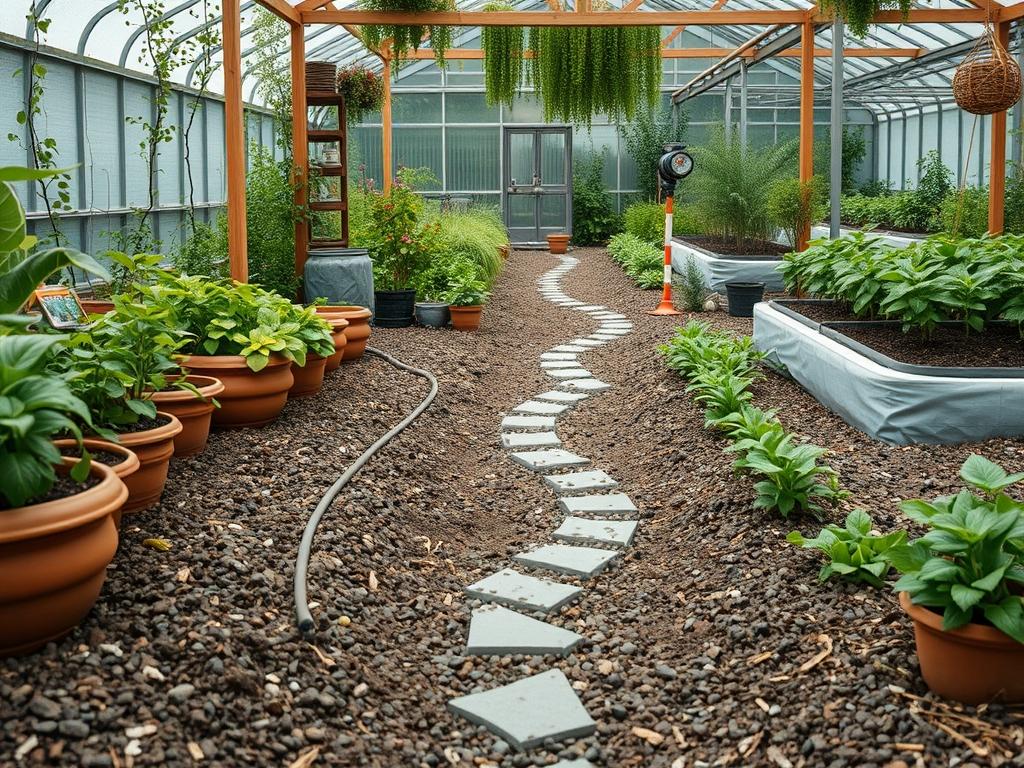
Designing a functional outdoor space requires a delicate balance between aesthetic ambition and long term practicality. Homeowners often seek a landscape that provides high curb appeal without demanding hours of weekly upkeep. This is where a professional Gravel Path Installation becomes an essential component of the modern garden. Unlike concrete or asphalt, gravel offers a permeable surface that manages stormwater naturally; it allows rain to percolate into the soil rather than contributing to runoff. In varying climates, from the arid Southwest to the humid Mediterranean coastal regions, gravel serves as a versatile medium that resists cracking during freeze-thaw cycles. A well executed path does more than just connect point A to point B. It defines the flow of movement, creates visual boundaries, and introduces a textural contrast to the soft greens of a lawn or the rigid lines of a home’s foundation.
Landscape Design Principles
Effective landscaping relies on several core principles to ensure the final result feels intentional and cohesive. Symmetry is frequently used in formal gardens to create a sense of order, where a straight gravel path might be flanked by identical rows of Boxwood or Lavender. However, in more naturalistic or contemporary designs, visual balance is achieved through the strategic placement of asymmetrical elements. A winding path creates a sense of mystery and slows the viewer down; this invites them to experience different “rooms” within the yard. Focal points, such as a large Basalt Fountain or a sculptural Japanese Maple, should be placed at the end of a sightline to anchor the design.
Elevation plays a critical role in how a path is perceived and how it functions. On sloped terrain, a path must be graded carefully to prevent the aggregate from washing away during heavy rain. This often involves the construction of low Retaining Walls or the use of Timber Treads to create a series of shallow steps. Furthermore, irrigation planning must happen concurrently with the layout. Running 1/2-inch Drip Irrigation lines under the path before the gravel is spread prevents the need to excavate later. This ensures that the surrounding beds receive consistent moisture without interfering with the structural integrity of the walkway.
Plant and Material Selection
Choosing the right materials determines the longevity and “feel” of the installation. For high traffic areas, Angular Crushed Stone is superior to Pea Gravel because the sharp edges lock together to create a stable walking surface. Conversely, Decomposed Granite provides a soft, organic look that is ideal for rustic or desert themed landscapes. The selection of plants to border the path should focus on species that do not drop excessive litter, as fallen leaves and berries can quickly turn a clean gravel surface into a maintenance headache.
| Plant Type | Sun Exposure | Soil Needs | Water Demand | Growth Speed | Maintenance Level |
| :— | :— | :— | :— | :— | :— |
| Blue Fescue | Full Sun | Well Drained | Low | Moderate | Low |
| Creeping Thyme | Full Sun | Sandy/Loamy | Low | Fast | Low |
| Russian Sage | Full Sun | Dry/Alkaline | Very Low | Fast | Moderate |
| Sedum ‘Autumn Joy’ | Sun to Part Shade | Any/Porous | Low | Moderate | Very Low |
| Japanese Forest Grass | Shade/Part Shade | Moist/Rich | Moderate | Slow | Low |
Implementation Strategy
A successful Gravel Path Installation begins with a clear site plan and a Can of Marking Paint. Once the route is established, the first physical step is excavation. You must remove the turf and soil to a depth of at least 4 inches. This allows for a structural base and a finish layer. For a standard garden path, a width of 36 inches is recommended to allow two people to walk comfortably or to accommodate a wheelbarrow. After excavation, the subgrade must be compacted using a Gas-Powered Plate Compactor or a Hand Tamper. This step is often overlooked, but it is the most critical for preventing future ruts and sinking.
Once the soil is firm, lay down a high quality Woven Geotextile Fabric. This barrier serves two purposes; it prevents the gravel from migrating into the soil and acts as a formidable weed deterrent. Do not use cheap plastic film, as it traps water and eventually tears. Secure the fabric with 6-inch Steel Staples every 12 inches along the edges. Next, install the edging. Professional Grade Steel Edging or Pressure Treated 4×4 Timbers provide a crisp border that keeps the aggregate contained. The edging should sit approximately 1 inch above the final gravel level to prevent spillover.
The base layer should consist of 2 inches of Crumb Base or 3/4-inch Minus Crushed Rock. This layer provides the structural “skeleton” of the path. Spread it evenly using a Square-Point Shovel and compact it thoroughly. Finally, add the top dressing. A 2-inch layer of your chosen finish material, such as Mexican Beach Pebbles or 1/4-inch Crushed Blue Stone, should be spread and leveled with a Steel Rake. If using Decomposed Granite, it is often beneficial to mix in a Stabilizer Binder to create a firm, pavement like surface that remains permeable.
Common Landscaping Failures
The most frequent failure in path design is the neglect of drainage. If a path is installed in a low spot without a proper exit for water, it will become a muddy bog. To avoid this, ensure the subgrade is slightly “crowned,” meaning the center is about 1/2 inch higher than the edges. This encourages water to flow off the path and into the surrounding landscape. Another common mistake is root overcrowding. Planting large shrubs or trees too close to the path will eventually lead to roots heaving the edging or the fabric. Always research the mature spread of a plant before digging.
Soil compaction is often misunderstood; while the path base must be compacted, the planting beds adjacent to the path should remain airy. Heavy machinery used during the installation can crush the soil structure in the beds, leading to poor plant health. Finally, irrigation inefficiencies occur when “overspray” from sprinklers hits the gravel. This not only wastes water but also encourages weed seeds to germinate within the gravel. Using Drip Emitters specifically targeted at the root zones of the plants is the professional standard for low maintenance designs.
Seasonal Maintenance
While gravel is marketed as low maintenance, it is not “no maintenance.” In the spring, inspect the edging for any heaving caused by winter frosts. Use a Rubber Mallet to reset any sections that have shifted. This is also the time to apply a Pre-emergent Herbicide to the gravel surface to stop weed seeds from taking hold as temperatures rise. During the summer, maintenance mostly involves occasional raking to keep the surface level and removing any organic debris. If you have chosen Decomposed Granite, you may need to add a thin “refresh” layer every few years to maintain the color and depth.
When autumn arrives, the primary task is leaf management. A Leaf Blower is the best tool for this, as it can clear lighter organic material without disturbing the heavier stones. Never let leaves sit on the gravel over winter; they will decompose into a fine “soil” that provides a perfect growing medium for weeds next season. In winter, avoid using heavy salt or chemical de-icers on the path if it is bordered by sensitive plants. Instead, use a light dusting of Sand for traction if the path becomes icy. Because gravel is loose, avoid using metal snow shovels which can catch on the stones; a Plastic Shovel or a Power Broom is much more effective.
Professional Landscaping FAQ
What is the best gravel size for a stable walking path?
For stability and comfort, choose an angular 3/8-inch to 3/4-inch crushed stone. Rounder materials like Pea Gravel tend to shift underfoot, making the surface feel unstable. Crushed stone locks together, creating a much firmer base for pedestrians.
How do I prevent weeds from growing in my gravel?
The most effective method is installing a heavy-duty landscape fabric beneath the stones. Additionally, maintain the path by blowing off leaves and organic debris regularly. This prevents organic matter from breaking down and creating a seedbed on top of the fabric.
Does a gravel path need a border or edging?
Yes, edging is essential for a professional finish. It prevents the gravel from migrating into your lawn or garden beds. Use steel, aluminum, or pressure-treated wood to maintain the path’s shape and prevent stones from disappearing into the soil.
How deep should the gravel be for a backyard walkway?
A total depth of 4 inches is the industry standard. This typically includes a 2-inch base layer of larger crushed rock for drainage and stability, topped with a 2-inch finish layer of your chosen decorative aggregate or stone.
Can I install gravel over an existing concrete path?
It is possible but generally not recommended without proper preparation. Gravel on concrete stays loose and can be slippery. If you must do it, use a cellular grid system or thick timber edging to contain the stones and increase safety.