
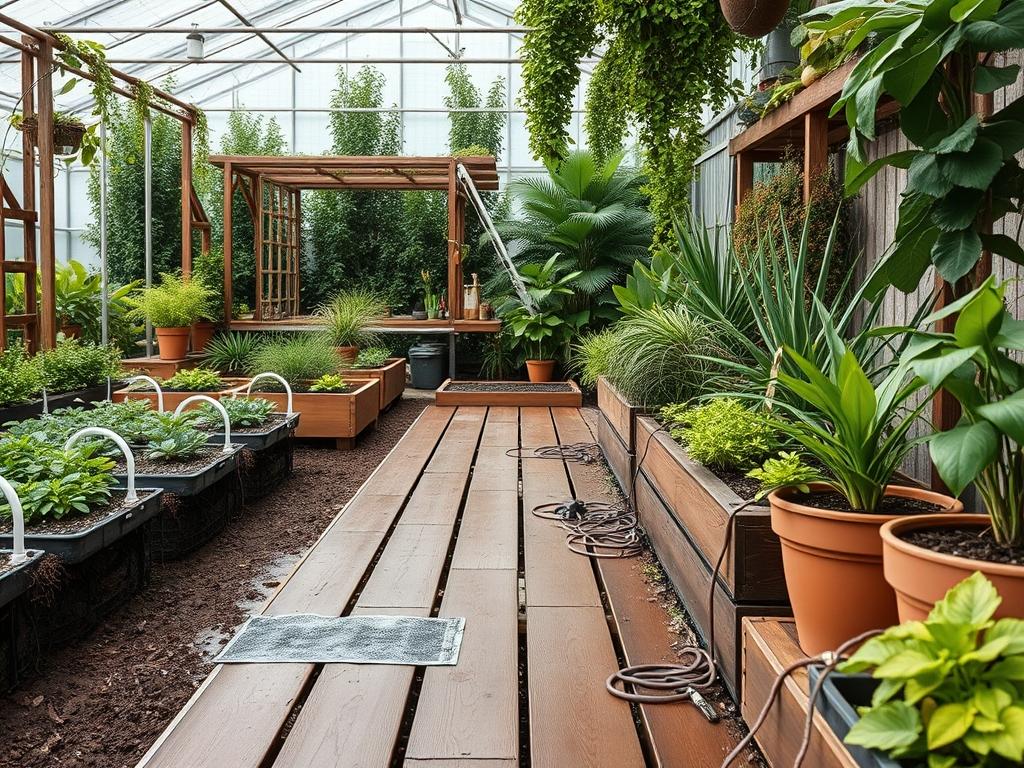
Achieving a cohesive outdoor environment requires a sophisticated understanding of how structural elements like decking interface with the living landscape. A deck acts as the primary transition zone between the climate controlled interiors of a home and the raw variability of the garden. When homeowners seek Modern Deck Stain Tips, the conversation often begins with color theory, but it must quickly pivot to material durability and site specific environmental factors. The stain you select serves as the foundational pigment for your entire backyard color palette. If you choose a deep, cool charcoal for your pressure treated pine, the surrounding greenery must provide enough luminosity to prevent the space from feeling oppressive. Conversely, warm honey tones in cedar or redwood require a plant palette that complements the golden undertones without causing visual clashing. Functionality is paramount; a deck that is not properly treated will succumb to UV degradation and moisture infiltration, eventually compromising the integrity of the surrounding soil and plant beds through rot and fungal spread.
Successful landscaping hinges on the concept of curb appeal, but for the backyard, this translates into “view appeal” from the interior looking out. A well executed deck stain bridges the gap between the architectural style of the house and the organic shapes of the wood line. In regions with high humidity, selecting a breathable, film forming stain allows moisture to escape the wood fibers, which prevents the peeling that often plagues cheaper, DIY applications. The goal of any outdoor consultant is to create a space that feels intentional. This means considering how a semi transparent stain highlights the natural grain of the wood while providing a backdrop for architectural plants. By treating the deck as a structural canvas, we can better plan the elevation layers and irrigation needs of the adjacent garden beds, ensuring that the entire environment works as a singular, high performing unit.
Landscape Design Principles
Modern landscape architecture relies on the disciplined application of symmetry and focal points to guide the eye through the outdoor space. When integrating a deck into a master plan, we utilize the deck as the primary focal point, then radiate outward with secondary elements. Symmetry is achieved by mirroring the hardscape lines with linear plantings, such as a row of Buxus sempervirens or structured ornamental grasses. These plants provide a soft contrast to the rigid edges of the decking boards. If the deck is elevated, we use elevation layers to ground the structure. This involves “skirting” the deck with medium height shrubs that hide the understructure, followed by lower perennials and groundcovers that bleed into the lawn or patio area.
Visual balance is further maintained by coordinating the textures of your building materials with your botanical selections. A deck stained in a flat, modern black looks exceptional when paired with silver foliage plants and white stone mulch. Such a high contrast approach requires precise irrigation planning to ensure that the increased heat absorption of dark stained wood does not dehydrate nearby sensitive root systems. Walkways should be designed to flow naturally from the deck stairs, using materials like flagstone or decomposed granite that match the tone assigned during your deck staining process. This creates a seamless transition that makes the yard feel larger and more organized.
Plant and Material Selection
Selecting the right occupants for the beds surrounding your deck is a technical endeavor. You must account for the microclimate created by the deck itself, which often includes areas of deep shade underneath and areas of intense reflected heat along the southern edge.
| Plant Type | Sun Exposure | Soil Needs | Water Demand | Growth Speed | Maintenance Level |
| :— | :— | :— | :— | :— | :— |
| Lavandula angustifolia | Full Sun | Sandy, Well-drained | Low | Moderate | Low |
| Buxus sempervirens | Partial Shade | Loamy, Moist | Medium | Slow | Medium |
| Miscanthus sinensis | Full Sun | Tolerant | Moderate | Fast | Low |
| Hydrangea macrophylla | Shade/Morning Sun | Rich, Organic | High | Moderate | Medium |
| Pachysandra terminalis | Full Shade | Acidic | Medium | Slow | Low |
| Acer palmatum | Dappled Sun | Well-drained | Medium | Slow | High |
The materials used for the surround are just as vital as the plants. We recommend using a weed barrier of high professional grade beneath 3 inches of hardwood mulch or river rock. This depth is critical for moisture retention and weed suppression. If your Modern Deck Stain Tips involve using oil based products, be mindful of the application process. Overspray can coat the leaves of your Hydrangeas or Lavender, clogging their stomata and causing localized dieback. Always protect your plant and material investment by covering the surrounding one foot of landscape with a drop cloth during the staining process.
Implementation Strategy
Planning the layout of a backyard requires a step by step approach to grading and drainage. Before the first gallon of stain is opened, the site must be surveyed for water pitch. The ground should always slope away from the deck and house at a minimum of 2 percent grade to ensure that heavy rains do not pool at the base of your support posts. Once the grading is verified, you can move on to edging. A clean, crisp edge between the turf and the planting bed creates a professional look that emphasizes the lines of the deck. I recommend using steel edging or poured concrete curbing for a modern, long lasting border.
Next, consider the hardscaping features like retaining walls or paver landings. These should be installed before the final deck treatment to avoid construction dust settling on a fresh coat of stain. When you are ready for the deck work, the first of our Modern Deck Stain Tips is to perform a moisture meter test. The wood must have a moisture content below 12 percent for the product to bond correctly. Start by using a stiff bristle brush and a dedicated deck cleaner to remove grayed wood fibers and mill glaze. After rinsing and a 48 hour drying period, apply the stain in thin, even coats. Avoid working in direct sunlight, as this causes the stain to flash dry and leave unsightly lap marks. Instead, follow the shadows across the deck, working in manageable sections of 2 to 3 boards at a time to ensure a wet edge is always maintained.
Common Landscaping Failures
One of the most frequent errors in landscape design is the failure to account for root overcrowding. Homeowners often buy plants based on their size at the nursery, neglecting their mature width. A Boxwood planted too close to a deck will eventually trap moisture against the wood, leading to premature rot and staining of the wood. Furthermore, improper spacing prevents adequate airflow, which is the primary defense against mildew on both the plants and the decking. Soil compaction is another silent killer. During deck construction or staining, heavy foot traffic or equipment can compress the soil, destroying the pore space needed for oxygen to reach plant roots.
Drainage mistakes can be equally devastating. If a downspout is not properly diverted, it can scour the mulch away and expose the deck footings, leading to structural instability over time. Additionally, irrigation inefficiencies such as sprinkler heads that spray directly onto the wood will ruin even the highest quality solid color stain within a single season. Constant wetting and drying cycles cause wood to expand and contract violently, resulting in cracks and splinters. Always aim your irrigation toward the root zones, and consider a drip irrigation system for beds adjacent to the deck to keep the hardware and wood dry.
Seasonal Maintenance
Landscape management is a year round commitment that changes with the sun’s path. In the spring, the focus is on cleanup and preparation. You should inspect the deck for any winter damage and apply a pH balanced cleaner to remove algae growth. This is also the time to apply a fresh 2 inch layer of mulch to the beds and prune back any perennials that survived the winter. During the summer, the priority shifts to hydration and UV protection. Monitor the deck for signs of fading and ensure your plants are receiving deep watering during heat waves.
As autumn arrives, clear fallen leaves from the deck surface immediately. Wet leaves contain tannins that can permanently discoclor your stain, and they trap moisture that leads to wood rot. This is the ideal time to plant new shrubs, as the cooler air and warm soil encourage root growth without the stress of summer heat. In the winter, avoid using de-icing salts on your deck, as the chemicals will break down the stain and eventually leach into the soil, killing your nearby plants. Instead, use a plastic shovel to remove snow, taking care not to gouge the wood grain.
Professional Landscaping FAQ
How often should I restain my deck to maintain the landscape’s look?
Generally, you should restain every 2 to 3 years. If you notice water no longer beads on the surface, the wood is vulnerable to the elements and requires a fresh application of protective coating.
Does mulch color matter for deck aesthetics?
Yes, color coordination is vital. A dark brown mulch complements warm wood tones, while black mulch or grey stone provides a sharp, modern contrast for lighter or gray-toned deck stains and architectural plantings.
Can I plant large trees next to my deck?
It is best to keep large trees at least 15 feet away. Overhanging branches drop debris that stains the wood, while aggressive root systems can shift the deck footings and cause significant structural damage.
What is the best way to prevent weeds near the deck?
Use a combination of mechanical edging, a high quality geotextile fabric, and at least 3 inches of mulch. Consistent manual weeding before seeds set will maintain the clean, modern lines of your landscape.
Is it safe to use a power washer on my deck?
A power washer can be used, but only with a wide fan tip and low pressure. High pressure can tear the wood fibers, creating a fuzzy texture that prevents the stain from adhering properly.