
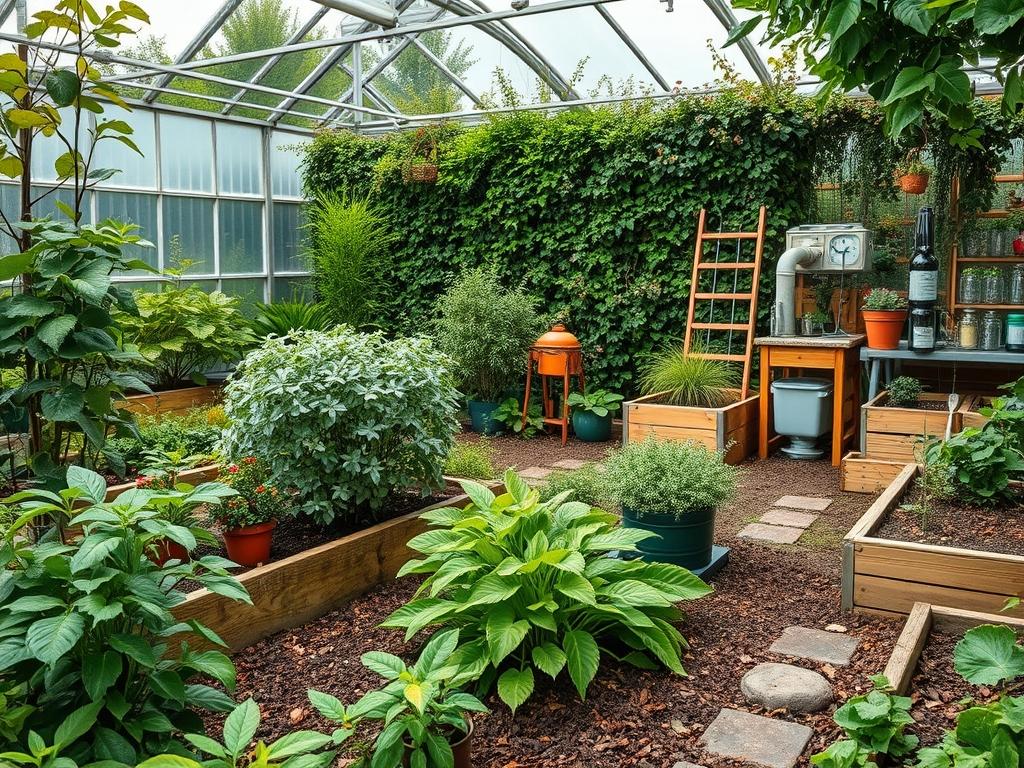
Designing a cohesive outdoor environment requires more than just high-quality flora; it necessitates a structural understanding of psychological comfort and visual enclosure. When property owners evaluate backyard privacy hedge types, they are often searching for a permanent solution to urban density or lack of seclusion. A well executed living wall serves as a functional barrier that reduces noise pollution, filters wind, and defines the architectural boundaries of a site. From a professional standpoint, the selection process must prioritize long term viability over immediate gratification. One must consider the hardiness zones, regional soil composition, and the specific microclimate of the planting site. A hedge is a multi-year investment that increases curb appeal and enhances the usability of outdoor living spaces like kitchens or fire pits.
The integration of privacy screening begins with a thorough assessment of the existing terrain. Unlike a wooden fence, a biological screen fluctuates in height, density, and color throughout the seasons. Successful landscape architects view these hedges as the backdrop of a larger composition. Without proper planning, a row of shrubs can become an unmanageable wall that consumes the yard or dies off due to poor drainage. Whether the goal is to block a neighbors second story window or to create a quiet meditation corner, the choice of species dictates the maintenance schedule and the overall aesthetic of the landscape. Consistency in the selection of plant material ensures that the hedge acts as a unified structural element rather than a disjointed collection of bushes.
Landscape Design Principles
Effective privacy screening relies on foundational architectural principles to ensure the installation feels intentional rather than reactive. Symmetry is a primary tool used to create a sense of order. By flanking a walkway or a focal point with identical specimens, a designer can guide the eye toward specific views while obscuring unsightly utility boxes or neighboring structures. If the property features significant elevation changes, the hedge placement must account for the line of sight from both the highest and lowest points of the backyard. Tiered planting, where shorter shrubs or perennials sit in front of the primary hedge, creates depth and prevents the enclosure from feeling sterile or flat.
Focal points should be integrated into the hedge line to break up the visual weight of a long continuous wall. This can be achieved by installing an architectural element, such as a stone fountain or a sculptural gate, into a gap specifically designed for that purpose. Irrigation planning is another critical pillar of design. To maintain the health of high density plantings, a dedicated drip irrigation system is necessary. These systems deliver water directly to the root zone, which minimizes evaporation and prevents the fungal issues associated with overhead spraying. Furthermore, the design must account for setbacks from property lines and existing walkways to ensure that as the plants reach their mature width, they do not encroach upon public paths or structural foundations.
Plant and Material Selection
The following table outlines the most effective backyard privacy hedge types based on professional performance standards in varied climates.
| Plant Type | Sun Exposure | Soil Needs | Water Demand | Growth Speed | Maintenance Level |
| :— | :— | :— | :— | :— | :— |
| Thuja Green Giant | Full Sun to Part Shade | Moist, Well-drained | Moderate | Fast (3 feet/yr) | Low |
| English Laurel | Part Shade to Full Shade | Rich, Acidic | Moderate | Fast | High (Pruning) |
| Leyland Cypress | Full Sun | Adaptable | Low once established | Very Fast | Moderate |
| Hicks Yew | Full Sun to Shade | Well-drained, Alkaline | Low | Slow to Moderate | Low |
| American Holly | Full Sun to Part Shade | Loamy, Acidic | Moderate | Slow | Low |
| Privet | Full Sun to Part Shade | Any | Moderate | Fast | High (Shearing) |
| Emerald Green Arborvitae | Full Sun | Well-drained | Moderate | Slow to Moderate | Low |
Implementation Strategy
The transition from a design concept to a physical installation requires a methodical approach to site preparation. First, the area must be graded to ensure that water flows away from the root balls and the home foundation. If the soil is heavy clay, the addition of organic matter or the installation of a French drain may be required to prevent root rot. Once the line of the hedge is marked with stakes and string, a trench should be excavated. The trench should be at least twice as wide as the root balls to allow for lateral root expansion into loosened soil.
Spacing is the most common point of failure during installation. While it is tempting to plant shrubs close together for immediate privacy, this leads to competition for nutrients and light. Use a measuring tape to ensure exact distances based on the mature width of the species. When placing the plants, ensure the top of the root ball is level with or slightly above the surrounding soil grade to accommodate settling. After backfilling the trench with a mix of native soil and soil conditioner, apply a 3-inch layer of organic mulch. This mulch suppresses weeds, retains moisture, and regulates soil temperature. Edging the bed with a clean spade or metal transition strip provides a professional finish and prevents turf grass from creeping into the hedge line.
Common Landscaping Failures
Many homeowners encounter significant issues because they neglect the long term biological needs of their chosen hedge. Drainage mistakes are at the top of the list. Planting in a low spot without correcting the grade creates a bathtub effect where water sits around the roots, leading to anaerobic conditions and eventual plant death. Another frequent error is improper spacing. Overcrowding may provide instant screening, but within five years, the lower branches will begin to die back due to lack of sunlight, leaving a hollowed out base that is no longer private.
Soil compaction is a hidden killer in new construction landscapes. Heavy machinery often packs the earth so tightly that roots cannot penetrate the subsoil. Professional installers use a broadfork or tiller to shatter these compacted layers before planting. Additionally, many people fail to account for the specific irrigation needs of different backyard privacy hedge types. For example, a Leyland Cypress requires excellent drainage, while an Arborvitae may struggle during a summer drought without supplemental deep watering. Finally, neglecting to perform a soil test can lead to nutrient deficiencies that stunt growth and leave the hedge vulnerable to pests like bagworms or scale insects.
Seasonal Maintenance
A proactive maintenance schedule ensures that the hedge remains a dense, vibrant asset to the property. In the spring, the focus is on fertilization and growth management. Apply a slow release, balanced fertilizer just as new growth begins to appear. This is also the time to inspect irrigation lines for leaks or clogged emitters. As the weather warms in the summer, monitoring for moisture stress is vital. Deep, infrequent watering is better than shallow daily misting, as it encourages roots to grow deeper into the earth where temperatures are more stable.
Autumn is the ideal window for structural pruning. Removing dead or crossing branches allows better airflow through the canopy. For deciduous hedges, this is also the period to clear away fallen leaves that might harbor pathogens. In the winter, protection is the priority, especially for evergreens in colder climates. Applying an anti-desiccant spray can prevent needles from drying out during harsh winter winds. If heavy snow is forecasted, gently brush the accumulation off the branches to prevent snapping. Constantly evaluating the mulch depth throughout the year ensures that the root zone remains protected from extreme temperature fluctuations.
Professional Landscaping FAQ
How far apart should I space my privacy trees?
Spacing depends on the specific species and your desired timeline for closure. Most large evergreens require 5 to 8 feet between centers. Smaller shrubs like boxwoods may only need 2 feet of space to form a solid line.
What is the best way to ensure fast growth?
Consistent moisture and proper nutrition are the keys to rapid establishment. Installing a dedicated drip irrigation system ensures the plants never experience growth-stunting water stress. Use a high-quality organic fertilizer during the peak spring growing season.
Can I grow a privacy hedge in total shade?
Yes, but your options are more limited. Hicks Yew and English Laurel are excellent candidates for low light environments. Most coniferous evergreens will become thin and leggy if they do not receive at least four hours of direct sun.
How do I prevent my hedge from getting too wide?
Annual shearing is necessary for fast growing species like Privet or Laurel. By trimming the sides of the hedge slightly narrower at the top than the bottom, you ensure sunlight reaches the lower branches and maintains density.
Do I need a permit to plant a tall hedge?
Local ordinances and HOA guidelines often regulate the height of front yard fences and hedges. However, backyard height restrictions are usually more lenient. Always check your local zoning codes before planting a species that exceeds 6 feet.