
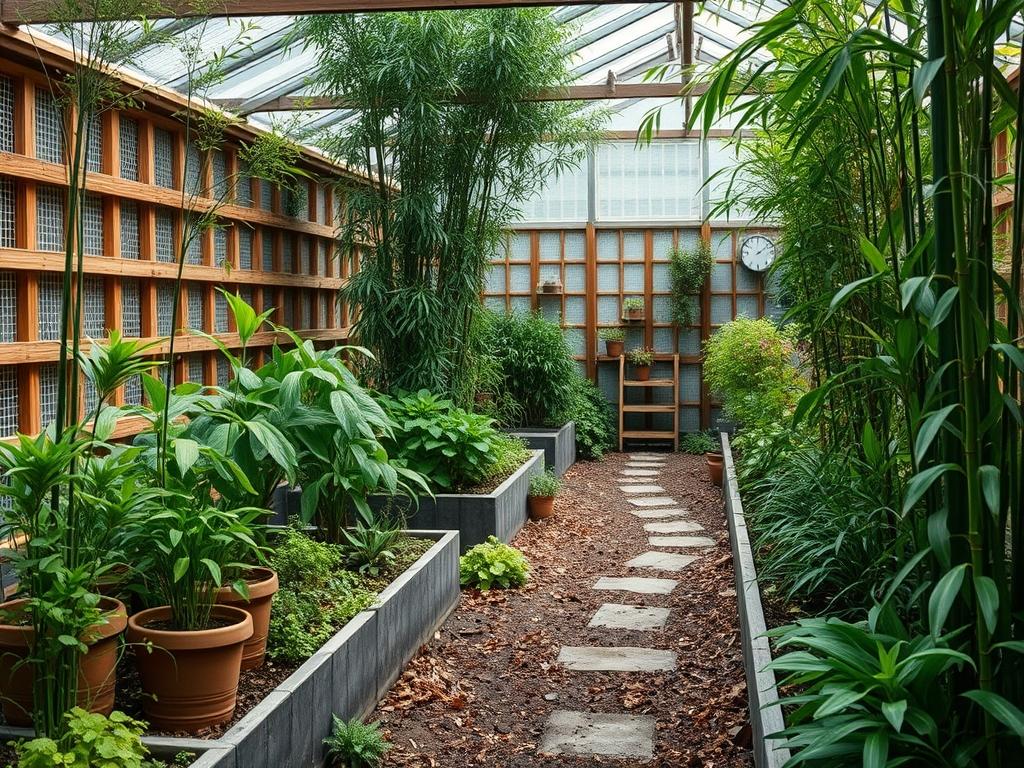
Creating a secluded sanctuary within a suburban or urban environment requires more than just a tall fence. Modern landscape architecture often relies on biological solutions to solve human proximity issues, and few plants offer the rapid density and architectural elegance of bamboo. When homeowners seek effective Backyard Privacy Bamboo Tips, they are usually looking for a balance between speed of growth and long term containment. The primary challenge is not just getting the plant to grow, but managing its vigorous nature to ensure it enhances curb appeal rather than overwhelming the local ecosystem. A well planned bamboo screen acts as a living partition that filters noise, softens wind, and provides a lush, evergreen backdrop that increases the functional square footage of an outdoor living area.
The integration of bamboo into a professional landscape plan must consider the specific climate and the desired level of maintenance. While bamboo is technically a grass, its structural performance mimics that of a dense hedge or a grove of small trees. Achieving a professional finish requires understanding how verticality impacts the perception of space. In smaller yards, tall, thin culms can make a space feel larger by drawing the eye upward, whereas shorter, bushier varieties can create a cozy, enclosed feeling perfect for meditation gardens or dining nooks. By prioritizing drainage and site preparation, it is possible to transform a standard backyard into a private retreat that feels miles away from the nearest neighbor.
Landscape Design Principles
Successful bamboo integration relies on the same core principles used in high end estate design. Symmetry is often used in formal gardens where Bambusa multiplex might be planted in identical weathered steel planters to frame an entryway or a pool deck. However, for a more naturalistic privacy screen, an asymmetrical grouping can mimic the look of a native forest. Focal points are essential; you might use a single, large diameter specimen like Phyllostachys edulis as a standalone architectural feature, surrounded by low lying hostas or ferns to create a multi layered effect.
Elevation plays a critical role in bamboo placement. If your property is lower than the neighbor’s, planting bamboo on a raised retaining wall or a slight berm can Provide immediate height advantages. However, these elevated areas must have a sophisticated irrigation plan. Bamboo is a thirsty plant, especially during its shooting phase in the spring. Drip irrigation systems should be installed at the base of the plants, hidden beneath a layer of organic cedar mulch, to ensure consistent moisture without the water loss associated with overhead spraying.
Walkways and transitions are another design consideration. Because bamboo can become quite dense, it is important to leave enough negative space for movement. A flagstone path or a gravel walkway should provide at least 36 inches of clearance from the bamboo screen to prevent the foliage from obstructing the path as it matures. Visual balance is achieved by pairing the fine texture of bamboo leaves with broader textured plants, such as hydrangeas or camellias, which prevents the landscape from looking too monochromatic or repetitive.
Plant and Material Selection
Choosing the right species is the most important decision in your privacy plan. You must primarily choose between clumping bamboo, which stays in a tight group, and running bamboo, which spreads via underground rhizomes.
| Plant Type | Sun Exposure | Soil Needs | Water Demand | Growth Speed | Maintenance Level |
| :— | :— | :— | :— | :— | :— |
| Fargesia robusta | Part Shade | Rich, Loamy | Moderate | Moderate | Low |
| Bambusa multiplex | Full Sun | Well Drained | High | Fast | Medium |
| Phyllostachys aurea | Full Sun | Adaptable | Moderate | Very Fast | High (Needs Barrier) |
| Pseudosasa japonica | Shade/Sun | Moist | High | Fast | Medium |
| Bambusa oldhamii | Full Sun | Rich | High | Fast | Low (Tropical) |
Implementation Strategy
The actual installation of a bamboo privacy screen requires a disciplined approach to site preparation. Start by marking the footprint of the screen with landscaping spray paint. If you are using running bamboo, you must install a physical root barrier. Excavate a trench that is 24 inches deep and slightly angled away from the plant. Insert a 60-mil HDPE (High-Density Polyethylene) root barrier into the trench, ensuring that at least 2 inches of the barrier remains above the soil line. This prevents the rhizomes from jumping over the top.
Grading is the next step. Ensure the ground slopes away from your home’s foundation and toward a dedicated drainage basin or a French drain if your soil has high clay content. Bamboo does not tolerate “wet feet” or standing water, which can lead to root rot. Once the area is graded, amend the soil with composted manure and sphagnum peat moss to create a nutrient rich environment. When placing the plants, space them approximately 3 to 5 feet apart, depending on how quickly you want the screen to fill in.
After planting, apply a 3-inch layer of hardwood mulch or pine bark. This helps retain moisture and regulates soil temperature. For the initial two growing seasons, your irrigation schedule should be frequent, keeping the soil damp but not saturated. If you are using containers or raised planters, ensure they have adequate drainage holes and use a high quality potting mix amended with perlite for aeration.
Common Landscaping Failures
The most common failure in bamboo landscaping is the neglect of rhizome control for running species. Without a proper HDPE barrier, running bamboo can travel 10 feet or more in a single season, encroaching on neighbor’s yards or undercutting patios and walkways. Another frequent mistake is improper spacing. Homeowners often plant the culms too close together in an attempt to get immediate privacy, which leads to overcrowding and competition for nutrients. This results in thin, sickly looking stalks rather than a robust, healthy screen.
Soil compaction is another silent killer. Heavy machinery used during home construction often leaves the subsoil as hard as concrete. If bamboo is planted directly into this without tilling or amending, the roots will fail to penetrate the ground, leading to stunted growth. Finally, many neglect the importance of thinning. A bamboo grove that is never thinned becomes an impenetrable thicket of dead wood and living stalks, which is a fire hazard and an eyesore. A professional removes roughly 20 percent of the oldest culms every year to make room for new growth.
Seasonal Maintenance
Spring is the most active season for bamboo. This is when you should apply a high-nitrogen fertilizer, such as a 10-10-10 or a specialized grass fertilizer, to support the emergence of new shoots. It is also the best time to inspect your root barriers for any breaches. As the shoots emerge, you may need to “de-shoot” certain areas by simply kicking over the new sprouts that are growing outside of your designated zone.
Summer maintenance focuses heavily on irrigation. During heatwaves, bamboo may curl its leaves to protect itself from transpiration loss. This is a signal that the plant needs a deep soaking. Ensure your drip emitters are clear of debris. Autumn is the time for structural pruning. Use bypass loppers or a fine-tooth saw to remove any damaged or diseased culms at ground level. This is also when you should replenish your mulch to protect the roots from the coming cold.
Winter requirements vary by zone. In colder climates, heavy snow can bend bamboo culms to the ground. Use a soft broom to gently knock snow off the foliage to prevent the stalks from snapping. If you are growing bamboo in large terracotta pots, you may need to wrap the pots in burlap or bubble wrap to prevent the root ball from freezing solid, as containerized plants are more susceptible to temperature fluctuations than those in the ground.
Professional Landscaping FAQ
How deep should a bamboo root barrier be installed?
A professional grade HDPE barrier should be installed 24 inches deep. It should also protrude 2 inches above the soil to prevent rhizomes from growing over the top, which is a common cause of containment failure.
Can I grow bamboo in a small urban backyard?
Yes, but you should prioritize clumping varieties or use large non-corrosive planters. This ensures the bamboo stays within its footprint and does not interfere with the foundations of nearby buildings or underground utility lines.
How often does bamboo need to be fertilized?
For maximum growth, apply a nitrogen-rich fertilizer in early spring and again in mid summer. Bamboo is a grass and thrives on the same nutrients as a lawn, though it benefits from organic compost top dressing.
What is the best way to stop bamboo from spreading?
The only guaranteed method for running bamboo is a continuous 60-mil HDPE barrier with sealed joints. For clumping bamboo, simple annual root pruning with a vertical spade around the perimeter of the plant is usually sufficient.
Why are my bamboo leaves turning yellow?
Yellowing leaves can indicate overwatering, poor drainage, or a lack of nitrogen. Ensure your grading allows water to flow away from the roots and check that your irrigation system is not creating stagnant pools of water.