
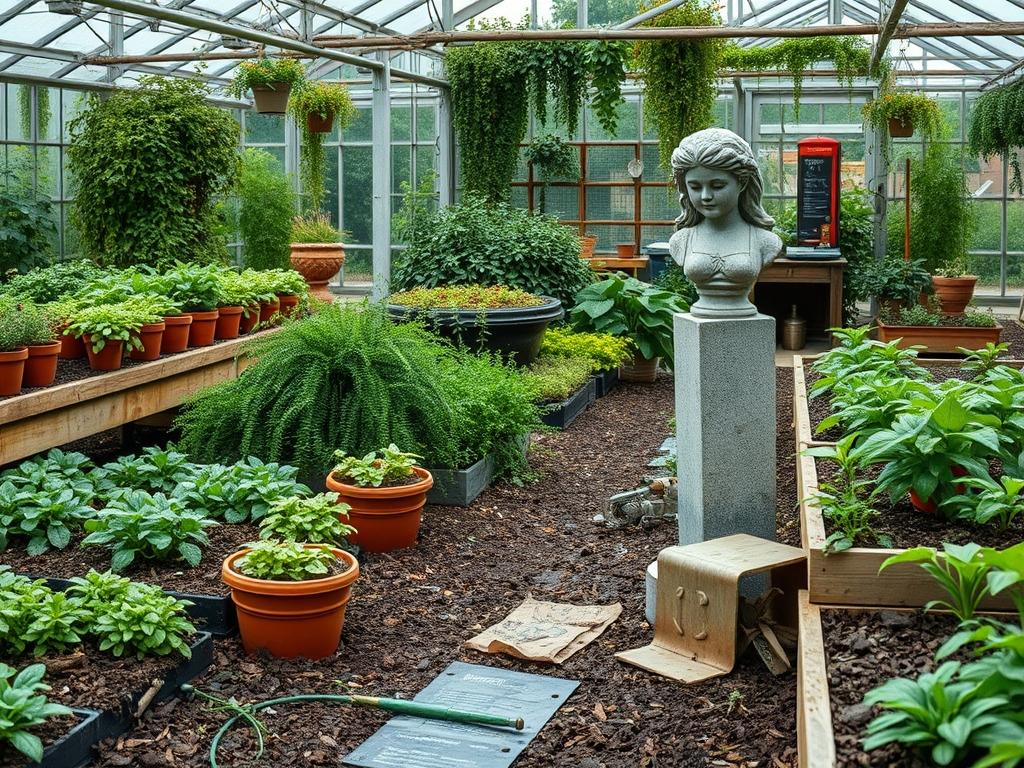
Integrating art into a living landscape requires a delicate balance between the permanence of sculpture and the fluidity of biological growth. For the discerning art lover, the garden serves as an outdoor gallery where the interplay of light, shadow, and seasonal change can transform a fixed object into a dynamic experience. The primary challenge in garden statuary placement lies in ensuring that the piece does not appear dropped into the environment by accident. Instead, it must feel rooted in the site, harmonizing with the surrounding flora and the architectural lines of the home. Climate considerations play a vital role here, especially when choosing materials like bronze, limestone, or recast stone, as thermal expansion and moisture levels dictate both the longevity of the art and the stability of its foundation. A successful installation enhances curb appeal by establishing a sophisticated narrative at the property entrance while simultaneously fulfilling outdoor functionality by guiding the eye through various garden rooms.
Landscape Design Principles
Effective garden statuary placement relies on the fundamental concept of the focal point. In landscape architecture, a focal point acts as a visual anchor that provides the brain with a place to rest within a complex environment. When placing a statue, consider the axis of symmetry. Aligning a significant piece at the terminus of a long flagstone walkway creates a sense of grandeur and purpose. This classical approach works well for formal gardens, where the sculpture serves as the heart of a symmetrical geometry. Conversely, in informal or naturalistic landscapes, asymmetrical placement can create a sense of discovery. Tucking a piece into a curated alcove of evergreen shrubs allows the viewer to stumble upon the art, creating a more intimate and emotional connection.
Elevation layers are equally critical. A statue placed directly on the ground often loses its impact and risks being obscured by surrounding foliage. Utilizing a pedestal or plinth raised by 12 inches to 36 inches elevates the work into the primary field of vision. This also protects the base from soil moisture and mechanical damage from lawn equipment. Furthermore, consider the integration of irrigation planning. Water should never spray directly onto the artwork, as mineral deposits and constant moisture lead to pitting or biological growth like algae and lichen. Instead, use a drip irrigation system that delivers water to the root zones of nearby plants while keeping the statuary dry. Visual balance is achieved by matching the “visual weight” of the statue with the density of the surrounding plants. A massive granite abstract piece requires bold, large-leafed companions, whereas a delicate wrought iron armature might be paired with airy, fine-textured grasses.
Plant and Material Selection
The following recommendations focus on plants that provide a structured backdrop or a complementary texture to various types of outdoor sculpture.
| Plant Type | Sun Exposure | Soil Needs | Water Demand | Growth Speed | Maintenance Level |
| :— | :— | :— | :— | :— | :— |
| Boxwood (Buxus) | Full Sun to Shade | Well-Drained | Moderate | Slow | Moderate (Pruning) |
| Japanese Maple | Partial Shade | Slightly Acidic | Moderate | Slow to Medium | Low |
| Switchgrass | Full Sun | Adaptable | Low | Fast | Low (Cut back once) |
| Yew (Taxus) | Full Sun to Shade | Neutral pH | Moderate | Slow | Moderate |
| Hosta | Full Shade | Organic Rich | High | Medium | Low |
| Creeping Thyme | Full Sun | Gritty/Sandy | Low | Medium | Very Low |
| English Ivy | Shade | Moist/Rich | Moderate | Fast | High (Contains growth) |
Implementation Strategy
Planning a backyard layout for statuary begins with site preparation and grading. Before the first piece of stone is laid, you must ensure the ground is level and compacted to prevent the statue from leaning over time. For larger pieces, a concrete pad or a compacted gravel sub-base of at least 6 inches is necessary. Start by marking the site with marking paint or surveyor stakes. If the area has a slope, a small retaining wall built from wall block or natural fieldstone can create a level terrace specifically for the display.
Once the foundation is set, focus on the transition between the hardscape and the softscape. Use a steel spade to create clean edging around the base of the statue. This prevents lawn grass from encroaching on the art. Surrounding the base with a layer of hardwood mulch or river rock to a depth of 3 inches provides a clean visual break and helps with drainage. Speaking of drainage, ensure the area mimics the natural shedding of water. Grade the soil so that runoff moves away from the statue foundation to prevent “pooling,” which can lead to soil liquefaction and subsequent tilting of the piece. For larger installations, consider installing a French drain or a perforated pipe buried in a trench of clean 57 stone to manage heavy rainfall efficiently.
Common Landscaping Failures
The most frequent mistake in garden statuary placement is ignoring the long-term impact of drainage. If water collects at the base of a marble or concrete statue, the freeze and thaw cycles of winter will cause the material to spall or crack. Another common failure is root overcrowding. Planting a fast-growing Willow or Poplar near a heavy statue foundation is a recipe for disaster, as the powerful root systems can heave even the most substantial reinforced concrete pads. Always research the mature spread of a plant species before placing it near permanent hardscaping.
Improper spacing also ruins the aesthetic value of art. A small statue placed in a vast, open lawn looks lonely and disconnected. Conversely, crowding a large piece with tall Miscanthus grasses can swallow the art entirely by mid-summer. One must also be wary of soil compaction. During the installation of heavy statuary, the use of skid steers or dollies can compress the soil, destroying its pore space and killing the very plants intended to frame the art. Use plywood sheets to distribute the weight of heavy equipment during the moving process. Finally, irrigation inefficiencies, such as high-pressure spray heads hitting the statue, can cause iron staining or “greening” of the material over time.
Seasonal Maintenance
Seasonal management ensures that your outdoor gallery remains pristine throughout the year. In the spring, focus on cleaning. Use a soft nylon brush and mild detergent to remove winter grime from the statuary. Check the integrity of the pedestal and ensure that no shifting occurred during the spring thaw. This is also the time to refresh the mulch and prune any perennials that might be obstructing the view of the piece.
Summer maintenance involves managing growth. Keep up with hedge shears to maintain the crisp lines of any formal evergreen backdrops. Monitor the moisture levels in the soil, as high heat can cause the soil to pull away from the foundation of the statue, potentially allowing it to shift. In autumn, the focus shifts to debris removal. Fallen leaves should be cleared away from the base of the art promptly. Decaying organic matter can stain porous stones like limestone or sandstone.
Winter is the most critical time for art lovers. In cold climates, fragile pieces made of terracotta or certain types of ceramics should be moved indoors. For larger pieces that must remain outside, consider using a breathable furniture cover or a burlap wrap to protect against ice accumulation. Never use plastic to wrap a statue tightly, as this traps moisture and can lead to mold or surface damage.
Professional Landscaping FAQ
What is the best material for year-round outdoor statuary?
Bronze and cast stone are the most durable options for fluctuating climates. These materials resist the destructive freeze and thaw cycles that often cause terracotta or low-grade concrete to crack, ensuring your investment lasts for decades with minimal intervention.
How do I prevent my garden statue from sinking?
Always install a stable foundation. For heavy pieces, use a 6 inch deep base of compacted crushed stone or a poured concrete footing. This distributes the weight and prevents the statue from settling into the soil during heavy rains or thaws.
Should I light my garden statuary at night?
Yes, use low-voltage LED uplights to create drama. Position the lighting fixtures at a 45 degree angle to highlight textures and prevent flat lighting. This ensures the garden remains a functional gallery space even after the sun sets.
How can I make a new statue look aged and established?
Applying a thin wash of diluted yogurt or manure tea to porous stone encourages the growth of moss and lichen. Within a few growing seasons, this technique helps a new piece blend seamlessly into a mature, organic environment.
What distance should I keep between plants and the statue?
Maintain a buffer zone of at least 12 inches between the sculpture and the mature width of the surrounding plants. This prevents moisture retention on the surface of the art and allows for easy access during routine cleaning and maintenance.