
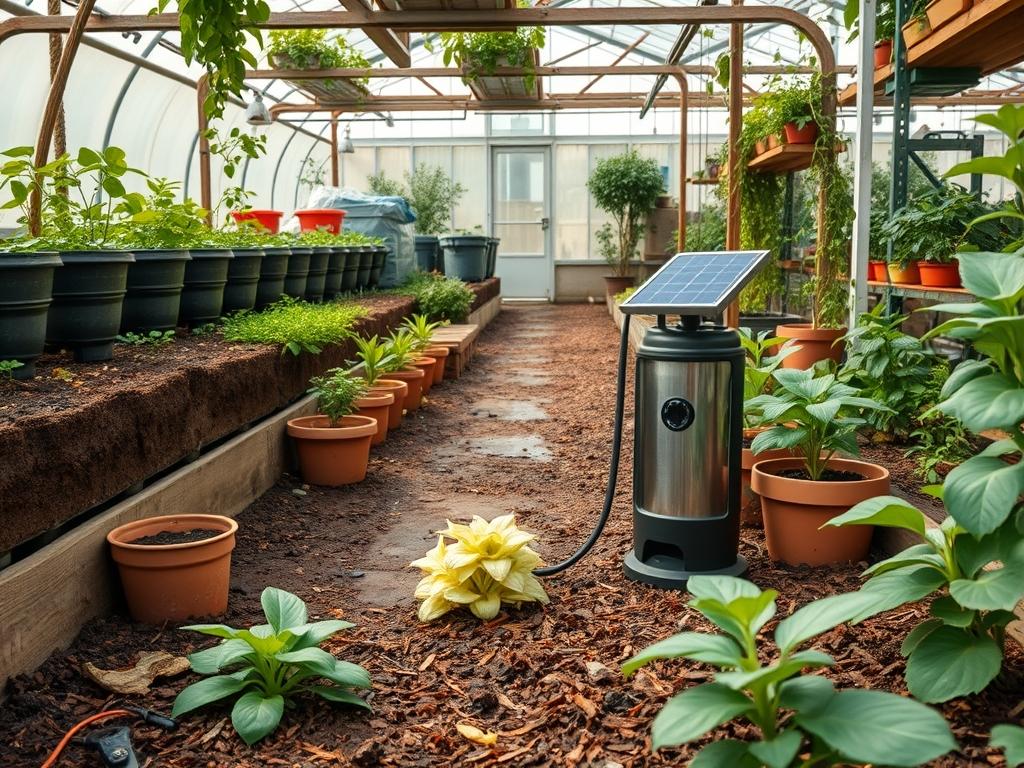
Integrating a water feature into a residential landscape serves as a sophisticated method to enhance sensory engagement and improve psychological well-being. Traditional fountains often require significant infrastructure, including underground electrical conduits and professional wiring, which can disrupt established gardens and increase project costs. This is where Solar Powered Pump Kits become essential tools for the modern landscape architect. These kits allow for the placement of dynamic water elements in remote corners of a property without the invasive process of trenching. By capturing renewable energy, these systems provide a sustainable solution for small-scale water movement, offering the soothing acoustics of a babbling brook while maintaining a zero-carbon footprint for the homeowner. The success of such an installation depends on understanding the intersection of hydraulic requirements and solar efficiency, ensuring the fountain provides consistent visual interest throughout the day.
The primary landscaping challenge when using solar technology is balancing aesthetics with functionality. A fountain must be positioned where it achieves maximum curb appeal or serves as a backyard sanctuary, yet the solar panel itself needs unobstructed access to the sun. This requires a careful site analysis of shade patterns from existing Trees, rooflines, and Retaining Walls. Beyond the technical aspects, a well-planned water feature creates a focal point that anchors the surrounding plant beds, drawing the eye and providing a sense of purpose to an outdoor living space. When the sound of moving water is introduced, it effectively masks neighborhood noise, turning a standard garden into a private retreat.
Landscape Design Principles
Effective landscape design relies on the principles of symmetry, focal points, and elevation layers to create a cohesive environment. For a small fountain powered by a Solar Powered Pump Kit, the fountain should serve as the primary focal point of a garden “room.” Placing the water feature at the intersection of two Walkways or at the terminus of a visual axis creates a sense of destination. Symmetry can be achieved by flanking the fountain with identical Planters or structured Boxwoods, which provides a formal, classical feel that contrasts beautifully with the fluid nature of the water.
Elevation layering is equally critical. A fountain that sits flat on the ground can often feel lost in the larger landscape. Utilizing Retaining Walls or raised stone pedestals can elevate the feature, bringing it closer to eye level and enhancing its presence. Designers should layer vegetation around the base using a tiered approach. Low-growing groundcovers should occupy the immediate perimeter, followed by medium-height perennials, and finally, taller shrubs or ornamental trees in the background to provide a lush, green frame.
Irrigation planning must also account for the splash zone of the fountain. Even small units create a mist that can increase local humidity, which significantly benefits some plant species while causing fungal issues for others. Visual balance is maintained by ensuring the scale of the fountain matches the surrounding space. A tiny birdbath in the center of a massive lawn feels undersized, while an oversized tiered fountain in a small courtyard can feel claustrophobic. The goal is to create a proportional relationship between the water feature, the hardscaping, and the softscaping elements.
Plant and Material Selection
Selecting the right flora to surround your water feature ensures the area remains vibrant throughout the growing season. The following table provides a guide for plants that pair well with the microclimates created by small fountains.
| Plant Type | Sun Exposure | Soil Needs | Water Demand | Growth Speed | Maintenance Level |
| :— | :— | :— | :— | :— | :— |
| Japanese Forest Grass | Partial Shade | Humus-rich | Medium-High | Slow | Low |
| Hosta ‘Blue Mouse Ears’ | Shade | Well-Drained | Medium | Moderate | Low |
| Creeping Jenny | Full Sun/Part Shade | Moist | High | Fast | Moderate |
| Lavender | Full Sun | Sandy/Gritty | Low | Moderate | Low |
| Dwarf Mondo Grass | Part Shade/Sun | Standard Garden | Medium | Slow | Very Low |
| Foaming Bells | Partial Shade | Loamy | Medium | Moderate | Low |
In terms of materials, the basin of the fountain should be constructed from durable components such as Granite, Cast Stone, or high-quality Resin. To hide the Solar Powered Pump Kit and its associated wiring, use River Rocks, Polished Pebbles, or Lava Rock. These materials add texture and natural colors that complement the movement of the water.
Implementation Strategy
The process begins with a detailed site survey to identify the solar potential of the location. Once the spot is chosen, the ground must be prepared through proper Grading. Use a Level to ensure the fountain basin sits perfectly flat; if the base is tilted, the water will spill unevenly over the edges, potentially burning out the pump as water levels drop. If you are installing a subterranean reservoir, dig a pit slightly wider than the basin and line the bottom with a 2-inch layer of Leveling Sand or Crushed Gravel to prevent settling and allow for drainage.
Once the basin is set, place the Solar Powered Pump Kit inside. If the kit features a remote panel, run the wire through a small piece of PVC Pipe buried just below the surface to protect it from Trowels or lawn equipment. Position the Solar Panel using a Mounting Stake in a location that receives at least six to eight hours of direct sunlight. Most high-quality kits use Monocrystalline Panels, which are more efficient in low-light conditions than polycrystalline alternatives.
After the pump is tested and the flow rate is adjusted using the Control Valve, begin the aesthetic finishing. Surround the basin with a 3-inch layer of Mulch or decorative stone to retain moisture and suppress weeds. Define the edge of the fountain area with Steel Edging or Paver Stones to create a clean transition between the water feature and the lawn. Finally, install your plant layers, ensuring that the roots are not overcrowded and that the soil is amended with Organic Compost to support initial growth.
Common Landscaping Failures
One of the most frequent mistakes in fountain installation is poor drainage around the feature. If the area lacks a slight slope or proper Internal Drainage, rainwater can pool at the base of the fountain, leading to soil compaction and root rot for nearby plants. Another issue is the “dry run” failure of the Solar Powered Pump Kit. In high-heat regions, evaporation occurs rapidly. If the water level drops below the pump intake, the motor can overheat and fail. Installing an Auto-Fill Valve or committing to a weekly water replenishment schedule is vital.
Root overcrowding is another common pitfall. Designers often plant for “instant impact,” placing shrubs too close to the fountain. As these plants mature, their roots can shift the fountain’s foundation or penetrate the reservoir. Proper spacing, based on the mature width of the plant, is essential. Furthermore, many owners fail to account for the “Sun/Shade” shift throughout the seasons. A spot that is sunny in July might be in total shade by September as the sun’s angle changes, rendering a solar pump ineffective. Always plan for the lowest solar angle of the active growing season.
Seasonal Maintenance
Landscape management requires a rhythmic approach to the changing seasons. In the Spring, we recommend a deep cleaning of the fountain basin to remove accumulated debris and algae. Check the Solar Powered Pump Kit for any signs of wire wear and clean the surface of the Solar Panel with a soft cloth to ensure maximum UV absorption. Prune any winter-damaged foliage from the surrounding plants and refresh the Mulch to keep the area looking sharp.
Summer maintenance focuses on water levels and algae control. High temperatures can lead to rapid algae blooms, which can clog the pump’s filter. Using an eco-friendly Algaecide or barley straw extract can keep the water clear without harming local birds or insects. In the Autumn, keep the fountain free of falling leaves, which can decay and create an anaerobic environment in the water.
Winter is the most critical time for fountain care in colder climates. If the water freezes, it can crack the basin and destroy the pump’s internal components. We recommend draining the fountain entirely. The Solar Powered Pump Kit should be removed, cleaned, and stored in a dry, frost-free location such as a garage or shed. If the battery is a Lithium-Ion type, ensure it is charged to at least 50 percent before storage to prolong its lifespan. Covering stone fountains with a waterproof Fountain Cover will protect the finish from the freeze-thaw cycles that characterize the winter months.
Professional Landscaping FAQ
What is the best way to hide solar panels?
Incorporate the panel into the landscape by placing it among taller Ornamental Grasses or behind Decorative Boulders. Ensure the foliage does not cast a shadow on the cells. Use a Solar Extension Cable to move the panel to a discrete, sunny location.
How do I choose the right pump size?
Measure the “Max Lift” required, which is the height from the pump to the fountain outlet. Choose a Solar Powered Pump Kit with a GPH (Gallons Per Hour) rating that exceeds your fountain’s volume to ensure a robust, visual water flow.
Can solar pumps run at night?
Standard kits only run during daylight. To enjoy your fountain after sunset, select a kit equipped with a Battery Backup System. These units store excess energy during the day to power the pump and integrated LED Lights for several hours at night.
How do I prevent the pump from clogging?
Place the pump inside a Pump Mesh Bag or a dedicated filter box. This prevents small pebbles, pine needles, and organic sludge from entering the intake. Regularly rinsing the Foam Filter inside the pump housing will maintain a consistent flow.
Will a solar pump work in the shade?
Most will struggle. While some Amorphous Silicon Panels can generate power in low light, they rarely produce enough voltage to run a pump effectively. Direct, unobstructed sunlight is the standard requirement for consistent performance of most high-output Solar Powered Pump Kits.