
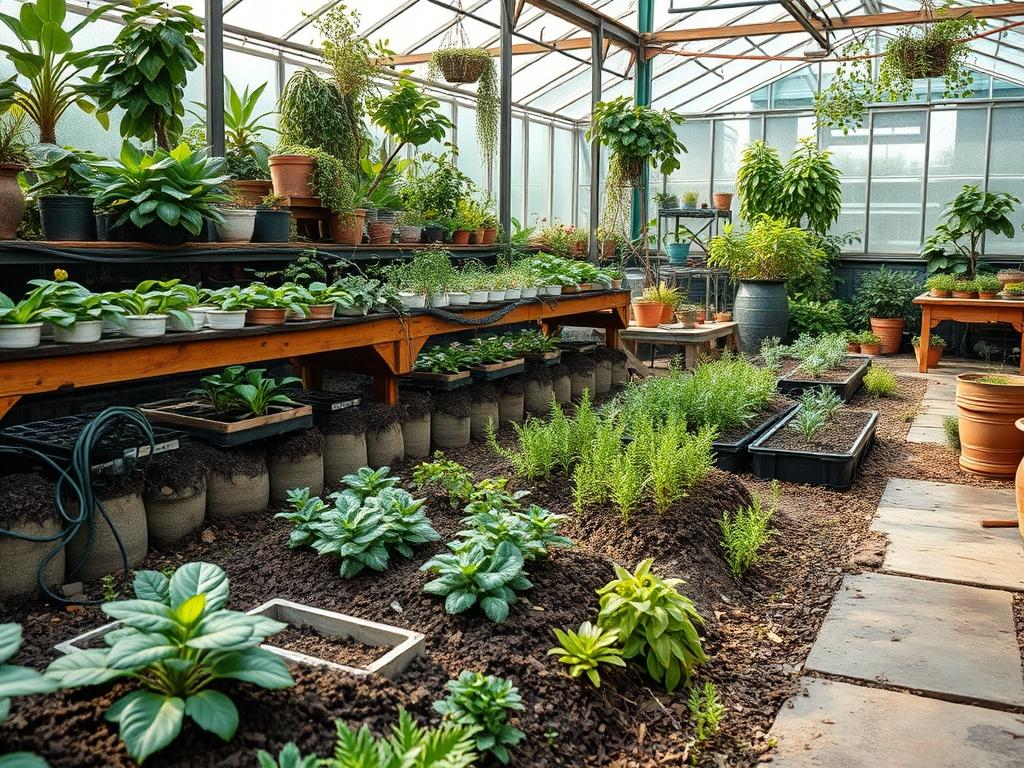
Mastering the art of hardscape texture mixing requires a sophisticated understanding of how light, shadow, and tactile surfaces interact within a defined outdoor environment. Many homeowners view a patio as a monolithic slab of a single material, yet the most elevated designs utilize a layered approach. By juxtaposing the rugged grain of natural ledge stone against the refined, industrial precision of large format pavers, a designer creates visual tension that draws the eye and defines specific functional zones. This approach is particularly relevant in fluctuating climates where material expansion and contraction are inevitable. Selecting complementary textures is not merely an aesthetic choice; it is a strategic decision that affects drainage efficiency, safety during rain events, and the long term value of the property. When executed correctly, a multi textured hardscape enhances curb appeal by providing depth that a single material cannot achieve, transforming a flat backyard into a three dimensional living space.
The primary challenge in hardscape texture mixing is maintaining a sense of cohesion while introducing variety. If every surface is aggressive and rugged, the space feels chaotic and uncomfortable for bare feet. Conversely, if every surface is perfectly smooth, the patio can look sterile and become dangerously slick when wet. Successful integration involves a primary “anchor” material, usually a medium textured paver, which is then accented by secondary and tertiary materials like river rock, decomposed granite, or cobblestone. This hierarchy ensures that the outdoor environment feels intentional rather than cluttered.
Landscape Design Principles
Effective hardscaping relies on the foundational principles of balance and proportion. Symmetry does not always mean a mirror image; rather, it refers to the visual weight of materials. If you utilize a heavy fieldstone retaining wall on one side of a patio, you must balance that visual mass on the opposite side, perhaps through a dense planting bed or a tiered wooden deck element. Focal points are essential for guiding the viewer through the transitions. A central fire pit constructed from split face block can act as the grounding element for a patio composed of smooth travertine tiles.
Elevation layers play a critical role in how textures are perceived. By introducing a slight change in grade, perhaps a 6-inch step up to a dining area, you provide a natural breaking point for material changes. This prevents the “clash” of textures because the vertical transition acts as a buffer. In these transition zones, irrigation planning is paramount. Hard surfaces create runoff, and your design must account for where that water travels. Integrating permeable gaps filled with 0.5-inch pea gravel between larger stones allows for natural percolation, reducing the burden on your drainage systems while adding a delicate, crunching texture underfoot.
Walkways should serve as the connective tissue between these textured zones. A high traffic path might use a sandblasted finish concrete for slip resistance, while the perimeter of the patio might feature a decorative border of polished pebbles set in epoxy. Visual balance is achieved when the transition between these materials feels organic. Using a “rule of three” for materials, such as combining natural stone, wood grain porcelain, and metallic trim, creates a professional finish without overwhelming the senses.
Plant and Material Selection
The following selection highlights materials and plants that complement complex hardscape textures.
| Plant Type | Sun Exposure | Soil Needs | Water Demand | Growth Speed | Maintenance Level |
| :— | :— | :— | :— | :— | :— |
| Blue Fescue | Full Sun | Well-drained | Low | Moderate | Low |
| Japanese Maple | Partial Shade | Acidic, Loamy | Medium | Slow | Moderate |
| Creeping Thyme | Full Sun | Sandy, Gritty | Low | Fast | Low |
| Boxwood | Sun to Shade | Versatile | Medium | Slow | Moderate |
| Lavender | Full Sun | Alkaline | Very Low | Moderate | Low |
| Star Jasmine | Sun to Shade | Rich, Moist | Medium | Moderate | Moderate |
When selecting plants to border your hardscape, consider the “softness” of the foliage against the “hardness” of the stone. A glossy leafed shrub creates a stark, beautiful contrast against a matte basalt tile. Similarly, the fine texture of ornamental grasses can soften the rigid lines of a rectilinear retaining wall.
Implementation Strategy
Planning a backyard layout begins with a detailed site analysis and the use of a transit level to establish existing grades. The first step in implementation is excavation. For a standard residential patio, you must remove soil to a depth that allows for a 6-inch compacted crushed stone base, a 1-inch bedding layer of sand, and the thickness of the stone itself. Proper grading is non-negotiable; a slope of 1 inch for every 4 feet of distance away from the home foundation ensures that water does not pool or damage the structure.
Once the subgrade is established, lay down a heavy duty geotextile fabric. This prevents the mixing of the native soil with your expensive aggregate base, ensuring long term stability and weed suppression. Compaction should be performed in 2-inch lifts using a vibratory plate compactor. This eliminates air pockets that lead to future settling and uneven surfaces.
Edging is the next critical phase. To keep contrasting textures separate, such as a mulch bed meeting a gray slate patio, use a rigid aluminum edging or a hidden concrete haunch. This provides a crisp line that maintains the integrity of the design. For the actual hardscape texture mixing, start with the largest units first. Lay your main field pavers before moving to the intricate border work. If you are incorporating wood elements, ensure they are pressure treated or naturally rot resistant like ipec and maintain a 0.25-inch gap for expansion. Finally, apply polymer sand to the joints of the pavers. This material hardens when misted with water, locking the stones in place and preventing ant hills or weed growth.
Common Landscaping Failures
The most frequent failure in mixed texture projects is inadequate drainage. When different materials like concrete and loose gravel meet, water often traps at the interface. Without a dedicated French drain or a properly pitched surface, this moisture will undermine the base, causing “heaving” during winter months. Another common mistake is root overcrowding. Planting a fast growing tree too close to a retaining wall will inevitably lead to structural failure as the roots expand and apply lateral pressure to the stones.
Improper spacing between different hardscape elements often leads to a cluttered look. A minimum of a 12-inch transition zone is recommended when switching between two dominant textures. Soil compaction is another area where DIY projects fail. Using a hand tamper is rarely sufficient for a large patio; failing to achieve 95 percent compaction will result in sunken pavers within two seasons. Lastly, irrigation inefficiencies occur when spray heads are blocked by new hardscape features. Always retro-fit your irrigation system to include drip lines for perimeter plantings, which delivers water directly to the roots without staining your light colored stones with mineral deposits.
Seasonal Maintenance
Spring is the season for assessment. Inspect the polymeric sand joints for any washouts and check the integrity of retaining wall caps. Apply a fresh layer of organic mulch to a depth of 3 inches in surrounding garden beds to retain moisture for the coming heat. Cleanup involves removing leaf debris that can stain natural flagstone if left to rot.
Summer maintenance focuses on hydration and pest control. Use a soaker hose for deep watering of native plants during drought periods. If you notice efflorescence, a white powdery salt deposit on your bricks, use a specialized hardscape cleaner and a stiff nylon brush to scrub it away. Avoid using a power washer at maximum PSI, as this can dislodge joint sand and etch the surface of softer stones.
Autumn requires a proactive approach to debris management. Clear all fallen leaves from permeable pavers to prevent clogging of the drainage gaps. This is also the time to apply a penetrating sealer to porous materials like limestone or sandstone to protect them from the upcoming freeze-thaw cycles.
Winter management is about safety and protection. Avoid using rock salt on high end hardscapes, as the sodium chloride can cause pitting and scaling. Instead, use calcium chloride or simple sand for traction. Check that your downspout extensions are clear, ensuring that snowmelt is directed away from the patio surface to prevent ice sheets from forming over your textured transitions.
Professional Landscaping FAQ
How do I choose textures that do not clash?
Stick to a limited color palette. Mix a rough texture with a smooth texture in the same tonal family, such as charcoal slate next to light gray brushed concrete. This creates contrast through touch rather than jarring color shifts.
What is the best way to transition between grass and stone?
A soldier course border of uniform brick or a metal edge creates a clean break. This allows for easier mechanical edging with a string trimmer and prevents grass from migrating into the crevices of your hardscape.
Can I mix natural stone with manufactured pavers?
Yes, this is a hallmark of high end design. Use manufactured pavers for the main high traffic floor for durability and levelness, then use natural stone for vertical elements like pillars or fire features to provide organic character.
How thin can a gravel transition be?
For visual impact and stability, a gravel ribbon should be at least 8 inches wide. Anything thinner looks like a mistake and is difficult to maintain without the stones migrating into the surrounding lawn or planting beds.
Is sealing mandatory for mixed hardscapes?
While not mandatory, it is highly recommended for porous materials. Sealing protects against oil stains in dining areas and prevents moisture from entering the stone, which is the primary cause of cracking in colder regions during the winter.