
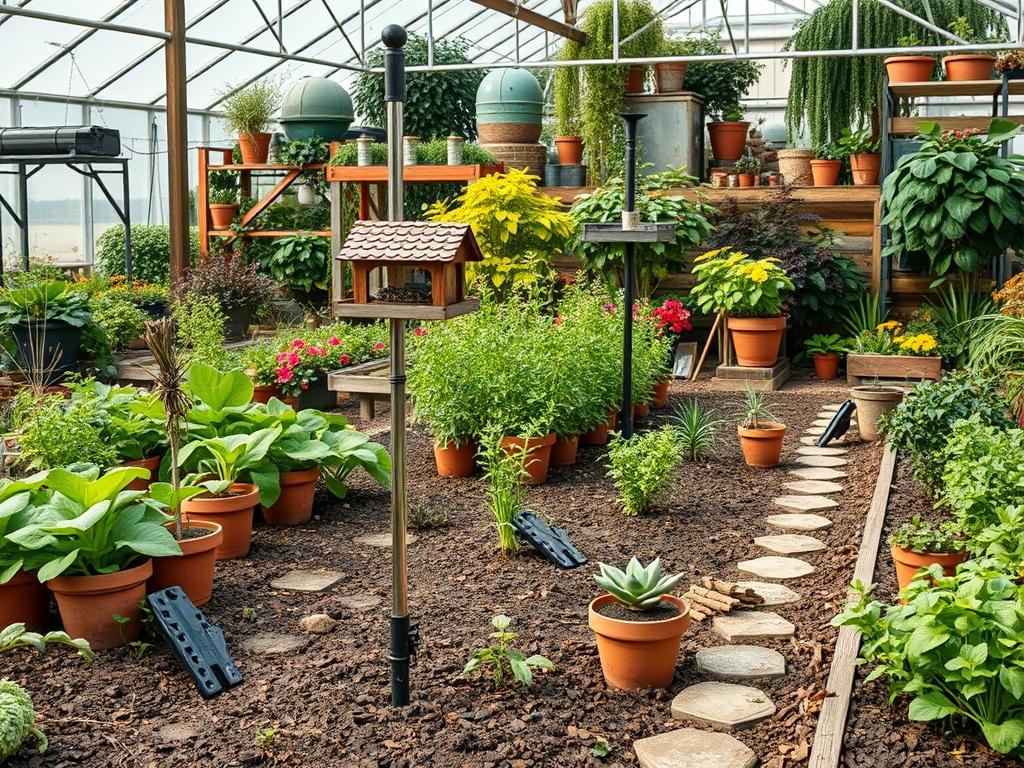
Integrating a bird feeding station into a residential landscape requires more than simply driving a stake into the turf. From a professional architectural perspective, Modern Bird Feeder Poles serve as vertical focal points that must harmonize with the existing hardscape and softscape. A common challenge in modern garden design is balancing the utilitarian nature of these structures with the sleek, minimalist aesthetics of contemporary outdoor living spaces. We must consider the structural integrity of the pole, the surrounding drainage patterns, and how the assembly influences the overall curb appeal of the property. When placed correctly, these poles act as kinetic sculptures that bring movement and life into a garden, but a poorly planned installation can look cluttered or disrupt the visual flow of a curated environment.
Climate considerations play a vital role in the placement and installation of any vertical landscape element. Soil density and wind loads are the primary engineering concerns. In regions with high clay content, poles may shift during the freeze-thaw cycle if the foundation is not properly set below the frost line. Furthermore, the modern aesthetic often favors clean lines and slender profiles, which necessitates the use of high-quality materials like powder-coated steel or brushed aluminum. These materials must withstand UV exposure and moisture without corroding, ensuring that the feature remains an asset to the landscape for decades rather than becoming an eyesore.
Landscape Design Principles
In the realm of landscape architecture, the concept of symmetry and focal points dictates where a vertical element should reside. Modern Bird Feeder Poles should not be placed haphazardly in the center of a lawn. Instead, they should be positioned to anchor a specific sightline, perhaps at the terminus of a stone walkway or balanced against a large retaining wall. By using the principle of the “golden ratio,” a designer can determine the optimal height for a pole relative to the surrounding shrubs. If the pole is too tall, it dominates the space; if it is too short, it loses its architectural significance.
Elevation layers are equally important. To create a professional look, the pole should be the highest point in a tiered plant bed. This creates a “stadium seating” effect for the viewer. Low-growing groundcovers should occupy the foreground, followed by mid-height ornamental grasses, with the bird feeder pole rising from the rear or center. This layering technique masks the base of the pole, which is often the least attractive part of the assembly, and integrates the hardware into the living environment. Irrigation planning must also be synchronized with these placements. We ensure that drip irrigation emitters are clear of the pole’s foundation to prevent localized soil saturation that could lead to leaning or structural failure.
Plant and Material Selection
The following table outlines the best plant species to surround a modern bird feeding station, selected for their structural beauty and ability to thrive without interfering with the feeder’s functionality.
| Plant Type | Sun Exposure | Soil Needs | Water Demand | Growth Speed | Maintenance |
| :— | :— | :— | :— | :— | :— |
| Little Bluestem | Full Sun | Well-Drained | Low | Moderate | Low |
| Boxwood ‘Green Velvet’ | Full to Partial Sun | Loamy | Medium | Slow | Moderate |
| Purple Coneflower | Full Sun | Variable | Low | Fast | Low |
| Lavender ‘Phenomenal’ | Full Sun | Gritty/Sandy | Very Low | Moderate | Moderate |
| Creeping Phlox | Full Sun | Well-Drained | Medium | Moderate | Low |
| Blue Oat Grass | Full Sun | Lean/Dry | Low | Moderate | Low |
For the materials of the pole itself, we recommend 3/4-inch diameter steel poles with a matte black or anthracite finish. These dark, neutral tones tend to recede into the shadows of the foliage, making the colorful birds the primary focus. If the home features modern timber accents, a Western Red Cedar post with stainless steel hardware can provide a more organic yet contemporary feel.
Implementation Strategy
The installation process begins with site grading. The area around the base of the pole must be slightly concave or incorporate a French drain if the pole is located at the bottom of a slope. We start by using a gas-powered auger or a post hole digger to create a hole at least 24 inches deep. For a truly modern, sleek look, instead of using a standard ground sleeve, we prefer to set a galvanized steel pipe directly into a 6-inch gravel base for drainage, followed by 80 pounds of high-strength concrete.
Once the foundation is set and leveled with a spirit level, the transition from the pole to the garden bed must be addressed. We advocate for the use of steel landscape edging to create a crisp, clean border between the turf and the mulch. A 3-inch layer of triple-shredded hardwood mulch or dark basalt river rock should be applied around the base. This serves a dual purpose: it prevents lawnmowers from damaging the pole and provides a clean surface to manage the inevitable birdseed hulls that will fall from the feeder. If using wood mulch, ensure it is kept an inch away from the pole itself to prevent trapped moisture from causing rot or rust.
Common Landscaping Mistakes
One of the most frequent failures in bird feeder placement is ignoring the proximity of “jump points” for predators or squirrels. From a design standpoint, a pole placed too close to a deciduous tree canopy violates the rule of open space and allows squirrels to bypass the baffles. We recommend a minimum clearance of 10 feet from any overhanging branch or fence line.
Another common mistake involves soil compaction. High-traffic areas around a feeder pole can lead to dead zones in the lawn or compacted soil in garden beds, which chokes the roots of surrounding plants. To mitigate this, we often design a small flagstone landing pad or a decomposed granite path leading to the pole. This allows the homeowner to refill the feeders without damaging the aesthetics of the softscape. Lastly, drainage is often overlooked. If water pools at the base of the metal pole, the oxidation process is accelerated, and the structural integrity of the mounting hardware will be compromised within just a few seasons.
Seasonal Maintenance
Landscape management for a bird feeding station changes with the calendar. In the spring, the focus should be on the transition of the surrounding plants. This is the time to prune back ornamental grasses like Little Bluestem to about 6 inches above the ground, allowing for fresh green growth that will eventually frame the pole. We also check the vertical alignment of the pole, as the spring thaw can often cause slight shifts in the soil.
During the summer, the primary task is irrigation monitoring and waste management. Birdseed can be acidic; if it accumulates on the ground, it can change the soil pH and kill sensitive groundcovers. We recommend a “no-waste” seed blend or seasonal raking of the bulk mulch at the base. In the autumn, the pole should be wiped down with a mild solution of soap and water. Any chips in the powder coating should be touched up with an alkyd-based enamel paint to prevent winter rust. Finally, in the winter, we ensure that the pole is structurally sound to handle the weight of heavy ice or snow, which can significantly increase the load-bearing requirements of the horizontal arms.
Professional Landscaping FAQ
What is the best material for a modern bird feeder pole?
Powder-coated steel or anodized aluminum are superior choices. These materials offer high tensile strength and a minimalist profile. They resist corrosion better than untreated wood and match the clean lines of contemporary architectural designs and outdoor hardware.
How deep should the pole be installed?
A professional installation requires a depth of at least 24 inches. In colder climates, you must reach below the frost line to prevent the pole from heaving. Using a concrete footer ensures the pole remains plumb regardless of soil movement.
How do I prevent weeds from growing at the pole base?
Install a professional-grade landscape fabric topped with 3 inches of inorganic mulch, such as crushed slate or river pebbles. This creates a sterile zone that prevents falling seeds from germinating while maintaining a high-end look.
Can I integrate lighting into the bird feeder pole?
Yes, adding a low-voltage LED uplight at the base or a solar-powered post cap can enhance the pole’s architectural presence at night. Ensure the light is dimmable to avoid disturbing the local bird population’s natural sleep cycles.
What distance should be kept between the pole and the house?
Maintain a distance of at least 15 feet from windows to prevent bird collisions. This spacing also allows for better viewing angles from the interior and ensures that the pole functions as a standalone landscape element.