
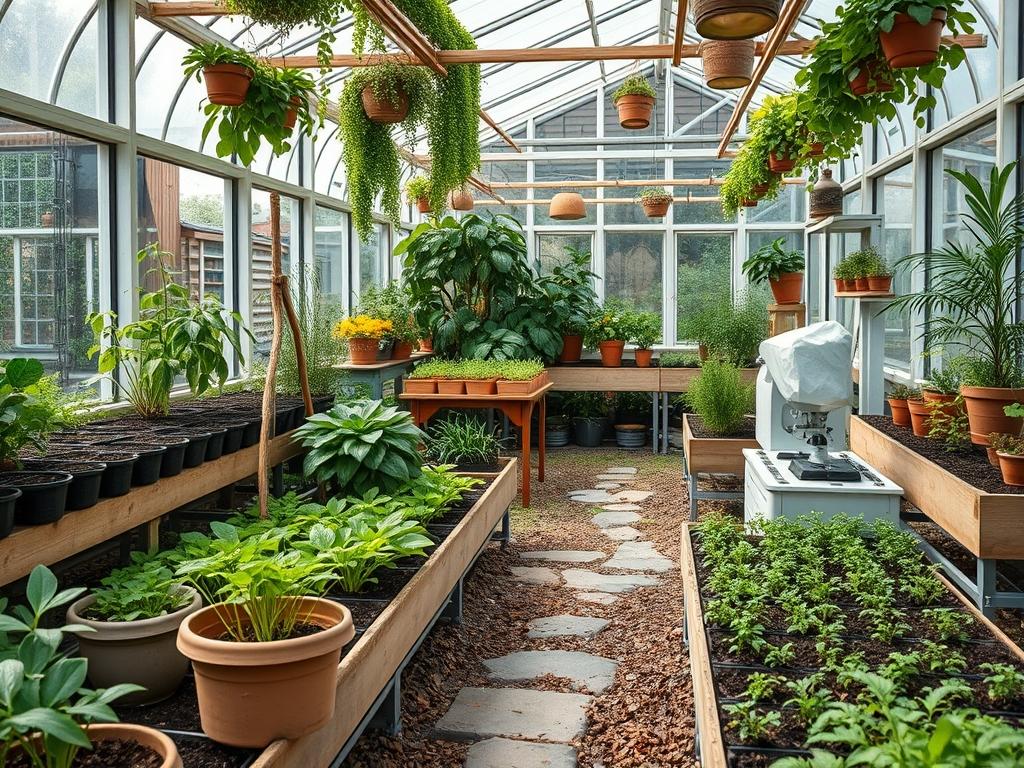
Integrating a modern sunroom into an existing landscape requires more than just a few shrubs and a patch of grass. It demands a sophisticated understanding of how interior light interacts with exterior textures and how the transition between glass and garden can either enhance or diminish the architectural integrity of a home. A sunroom acts as a transparent bridge, making the outdoor environment a permanent wallpaper for the indoor living space. Therefore, the landscaping around this structure must be intentional; it should provide privacy without sacrificing light and create a sense of immersion within the local ecology. When planning Modern Sunroom Landscaping, the primary challenge lies in balancing the aesthetic desire for sleek, clean lines with the biological needs of a thriving garden. Factors such as regional climate, soil acidity, and the specific orientation of the glass walls will dictate which plant species and hardscape materials will provide the highest return on investment for both curb appeal and personal enjoyment.
Effective transitions involve treating the area surrounding the sunroom as an outdoor room in its own right. This requires a careful assessment of how the sunroom impacts the site’s microclimate. For instance, large glass panes reflect heat, which can often scorch delicate foliage placed too close to the structure. Conversely, the shadow cast by the sunroom may create new pockets of deep shade where sun-loving turf once thrived. By viewing the sunroom as the focal point of the backyard, homeowners can design a functional space that facilitates seamless movement from the climate-controlled interior to the open-air deck or patio, ultimately expanding the footprint of the home.
Landscape Design Principles
Modern design often relies on the principle of symmetry to create a sense of order and calm. When landscaping around a sunroom, achieving visual balance is essential because the structure itself is often very geometric. Using Boxwood or Privet hedges can provide a structured border that mirrors the clean lines of the window frames. However, to avoid a sterile appearance, landscape architects often introduce elevation layers. This involves placing lower-growing groundcovers like Creeping Thyme near the glass, followed by mid-sized perennials such as Coneflower, and finishing with taller specimens like Arborvitae or Ornamental Grasses in the background. This tiered approach draws the eye upward and prevents the sunroom from looking like it is floating on an empty sea of mulch.
The use of a focal point is another critical design element. From inside the sunroom, the viewer’s eye naturally seeks a destination. This could be a high-end Water Feature, a sculptural Japanese Maple, or a carefully placed Fire Pit. These elements should be aligned with the primary seating areas inside the sunroom to maximize the visual connection. Furthermore, walkways should be wide and inviting, utilizing materials like Large Format Pavers or Bluestone to create a stable, elegant path. These walkways should be installed with a slight grade of at least 2 percent to ensure that water moves away from the sunroom’s foundation. Finally, irrigation planning is non-negotiable. Modern systems utilizing Drip Irrigation are preferred over traditional spray heads, as they deliver water directly to the root zones without leaving hard water spots on the sunroom glass.
Plant and Material Selection
The following table provides a curated selection of plants and materials suited for a modern sunroom transition.
| Plant Type | Sun Exposure | Soil Needs | Water Demand | Growth Speed | Maintenance Level |
| :— | :— | :— | :— | :— | :— |
| Dwarf Boxwood | Full Sun to Shade | Well-Drained | Moderate | Slow | Low |
| Hosta | Partial to Full Shade | Organic-Rich | High | Medium | Low |
| Lavender | Full Sun | Sandy/Gravelly | Low | Medium | Mid |
| Feather Reed Grass | Full Sun | Clay or Loam | Moderate | Fast | Low |
| Japanese Maple | Partial Shade | Loamy / Acidic | Moderate | Slow | Mid |
| Hydrangea | Partial Sun | Moist / Well-Drained | High | Medium | Mid |
| Star Jasmine | Full Sun to Partial | Average | Moderate | Fast | Mid |
In addition to plant life, material selection plays a pivotal role. Using River Rock or Crushed Granite as a decorative mulch alternative provides a sharp, contemporary look that requires less frequent replacement than organic Hardwood Mulch. For transitions, Powder-Coated Aluminum Edging offers a crisp border that prevents grass from encroaching on garden beds.
Implementation Strategy
The first step in any backyard layout is grading. Before a single plant is placed, the soil levels must be adjusted to prevent moisture accumulation near the sunroom footings. Use a Laser Level to determine the slope of the land. If the yard naturally slopes toward the sunroom, a French Drain or a Dry Creek Bed made of River Rock must be installed to redirect runoff. Once the grade is established, the next phase is excavation for any hardscaping. For a patio transition, digging down 8 inches to allow for a 4-inch base of Crushed Stone and 2 inches of Sand is standard practice to ensure long-term stability.
Once the hardscape is in place, focus on the garden beds. Laying down a high-quality Geotextile Fabric can suppress weeds while allowing the soil to breathe. When planting, always dig a hole twice as wide as the root ball to encourage outward root growth. After the plants are in the ground, apply a layer of Hardwood Mulch approximately 3 inches deep; however, ensure the mulch is pulled back at least 2 inches from the stems of plants to prevent rot. For automated care, install a Smart Irrigation Controller that adjusts based on local weather data, ensuring the plants receive precisely the amount of water they need during the transition period.
Common Landscaping Failures
One of the most frequent errors is the failure to consider root overcrowding. Homeowners often plant fast-growing species too close to the sunroom, only to find that within five years, the roots are threatening the foundation or the branches are scratching the glass. Always check the mature spread of a plant before installation. Another common pitfall is soil compaction. During the construction of the sunroom, heavy machinery often packs the dirt so tightly that air and water cannot reach the roots of new plants. It is vital to use a Broadfork or Tiller to loosen the soil and incorporate Organic Compost before planting.
Improper surface drainage is perhaps the most dangerous failure. Water pooling around the base of a sunroom can cause the structure to settle unevenly, leading to cracked glass or warped frames. Additionally, many people overestimate the effectiveness of landscape fabric for weed control while ignoring the need for regular pre-emergent herbicide applications. Finally, irrigation inefficiencies, such as misaligned spray heads that constantly soak the sunroom’s siding or windows, will lead to mold growth and unsightly mineral deposits that are difficult to remove without professional help.
Seasonal Maintenance
Landscape management is a year-round commitment. In the Spring, the focus is on renewal. This is the time to apply a fresh layer of Mulch, prune away any winter kill from Hydrangeas or Roses, and clean the Drip Irrigation filters. Testing the soil pH with a Soil Probe can also help determine if specific fertilizers are needed to kickstart the growing season. As Summer arrives, the priority shifts to hydration. Monitor the soil moisture daily during heatwaves and inspect the sunroom glass for any heat-stress damage to nearby foliage.
When Autumn begins, the transition involves preparing the garden for dormancy. Rake leaves away from the sunroom foundation to prevent them from trapping moisture against the structure. This is also the best time to plant spring-blooming bulbs like Tulips or Daffodils for an early burst of color. During Winter, the landscape’s “bones” are revealed. Ensure that heavy snow is cleared from the branches of Arborvitae or other evergreens to prevent snapping. If you have an outdoor Water Feature, winterize the pump or install a heater to prevent the lines from freezing and bursting.
Professional Landscaping FAQ
How far should plants be from the sunroom glass?
For most shrubs, maintain a minimum gap of 24 inches. This allows for air circulation, prevents moisture buildup on the siding, and provides enough space for window cleaning equipment or ladders during routine home maintenance tasks.
What is the best mulch for modern aesthetics?
Crushed Slate or Black Lava Rock provides a striking, high-contrast look that complements modern sunroom frames. Unlike organic mulch, stone does not decompose, meaning it maintains its sharp, professional appearance for several years without needing replacement.
Can I plant large trees near a sunroom?
Use caution with large species. Roots can damage foundations and falling limbs pose a risk to glass roofs. Instead, select Columnar Trees or Dwarf Varieties that have a predictable growth habit and manageable root systems.
Does a sunroom require a specific drainage system?
Yes, a French Drain is highly recommended. It consists of a perforated pipe buried in a trench filled with Gravel. This system effectively carries rainwater away from the sunroom foundation, preventing costly structural water damage during heavy storms.
How do I light a sunroom landscape at night?
Use Low-Voltage LED Lighting to highlight focal points like trees or paths. Avoid pointing lights directly at the sunroom glass to prevent glare. Instead, use “uplighting” on textures like stone walls or “downlighting” from nearby trees.