
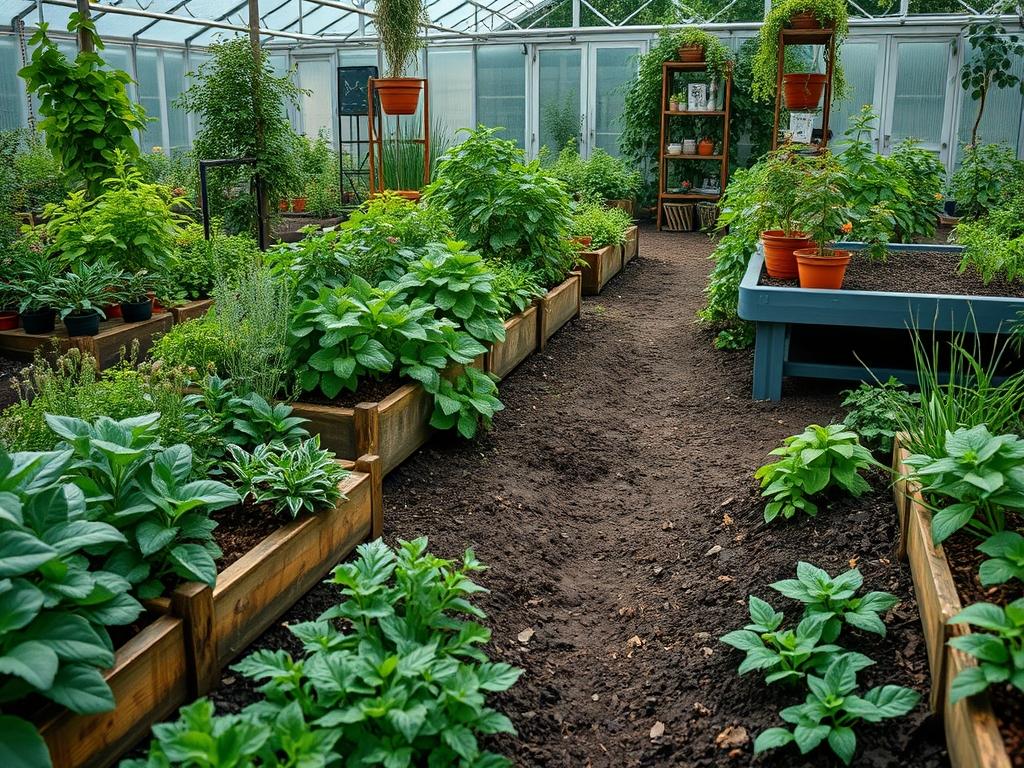
Designing professional herb garden borders requires a precise balance between horticultural requirements and architectural structure. The challenge for most property owners lies in transitioning from a purely ornamental landscape to one that offers high-yield utility without sacrificing curb appeal. Unlike traditional vegetable patches, which are often relegated to the backyard or hidden behind fences, herb garden borders are designed to be front garden features. They serve as tactile, aromatic edges to walkways and patios, providing both a structural framework and a sensory experience. Successful implementation hinges on understanding the specific microclimates of your site; a north-facing wall will harbor significantly different moisture levels and light intensities than a south-facing gravel path. For a landscape architect, the goal is to create a perennial system that requires minimal intervention while maximizing aesthetic output.
Landscape design for herbs must account for the unique growth habits of Mediterranean versus soft-stemmed varieties. Proper border design increases property value by demonstrating an intentional use of outdoor living space. It integrates the kitchen with the garden, fostering a lifestyle of sustainability. However, if the drainage is poorly calculated or the irrigation zones are improperly mapped, the border will quickly succumb to root rot or unsightly dieback. By treating herbs as structural elements rather than mere seasonal additions, we can create boundaries that remain attractive throughout the year. The following guidelines provide a framework for creating herb garden borders that reflect professional landscaping standards.
Landscape Design Principles
Symmetry and massing are the primary tools used to create visual order within herb garden borders. To ensure a professional finish, you should utilize a repeating pattern of “anchor plants” to provide a sense of continuity. These are typically evergreen or semi-evergreen species such as Rosemary or Boxwood used as a backdrop. By repeating these anchors every 4 to 6 feet, the eye perceives a cohesive line rather than a chaotic collection of individual plants. Focal points should be situated at the ends of rows or at the center of a curve, perhaps using a large specimen like a Bay Laurel tree or a decorative Stone Urn to anchor the composition.
Elevation layers are equally critical. A well-designed border follows a tiered approach; lower, prostrate herbs like Creeping Thyme or Oregano inhabit the foreground, while mid-sized varieties like Sage and Lavender occupy the middle ground. The background should consist of taller, structural herbs or small shrubs that can withstand the wind and provide a windbreak for more delicate species. Irrigation planning must follow this elevation strategy. Grouping plants with similar water requirements, a practice known as hydrozoning, ensures that drought-tolerant herbs like Thyme do not suffer from the frequent watering needed by moisture-loving plants like Parsley or Mint.
Walkways should be integrated directly into the border design to allow for easy harvesting and maintenance. A path of Crushed Granite or Flagstone provides a stable surface and improves drainage around the root zones. The width of the border should remain manageable; a maximum depth of 3 feet is recommended if the border is accessible from only one side. This ensures that the gardener can reach the center without stepping into the soil and causing compaction, which is detrimental to herb health. A slightly raised elevation, achieved through the use of a Retaining Wall or a simple Mounded Berm, can further highlight the border and improve drainage.
Plant and Material Selection
Selecting the right plant material involves analyzing the chemical and physical properties of the soil. Mediterranean herbs generally prefer alkaline, well-drained conditions, whereas soft herbs like Cilantro thrive in nutrient-dense, moisture-retentive loam. The table below outlines the requirements for common border-appropriate herbs.
| Plant Type | Sun Exposure | Soil Needs | Water Demand | Growth Speed | Maintenance Level |
| :— | :— | :— | :— | :— | :— |
| Rosemary | Full Sun | Well-drained, sandy | Low | Moderate | Low |
| Lavender | Full Sun | Gritty, alkaline | Low | Moderate | Medium |
| Sage | Full Sun | Loamy, well-drained | Low to Medium | Fast | Medium |
| Thyme | Full Sun | Sandy, dry | Low | Moderate | Low |
| Mint | Partial Shade | Humus-rich, moist | High | Aggressive | High |
| Chives | Full/Part Sun | Rich, moist | Medium | Fast | Low |
| Oregano | Full Sun | Well-drained | Low | Moderate | Medium |
| Basil | Full Sun | Rich, well-drained | High | Very Fast | High |
Implementation Strategy
The transition from a design plan to a physical garden starts with site preparation. You must first remove all existing turf or weeds using a Sod Cutter or a Spade. Once the area is clear, use a Rototiller or a Broadfork to aerate the soil to a depth of at least 12 inches. Grading is the next essential step. Ensure the ground slopes away from your home or patio at a minimum rate of 2% to prevent water from pooling near the foundation or within the border itself.
For the edging, choose a material that provides a clean, permanent line. Powder-coated Steel Edging or Concrete Curbing prevents lawn grass from encroaching into the herbs. If you are building a raised border, a Stone Retaining Wall is an excellent choice as the stones absorb heat during the day and radiate it back to the plants at night, mimicking the natural rocky habitat of many herbs. After installing the hardscaping, amend the soil with Organic Compost and a small amount of Expanded Shale to improve porosity.
When planting, spacing is non-negotiable. It is tempting to plant herbs close together for an instant full look, but this leads to poor air circulation and disease. Follow the mature width specifications for each species. Once the plants are in the ground, apply a 2-inch layer of Hardwood Mulch or Pea Gravel. Gravel is often superior for herb borders because it keeps the foliage dry and prevents soil-borne pathogens from splashing onto the leaves during rain events. Finally, install a Drip Irrigation System with emitters placed at the base of each plant to deliver water directly to the roots.
Common Landscaping Failures
One of the most frequent mistakes in herb garden borders is the “bathtub effect.” This occurs when a planting hole is dug into heavy clay and filled with rich potting soil. The water collects in the hole with nowhere to go, effectively drowning the herb. To avoid this, you must amend the entire border area, not just individual holes, to ensure consistent drainage. Another common failure is the use of invasive species without containment. Mint and Lemon Balm are notorious for their aggressive rhizomes. These should always be planted in buried 5-gallon Buckets or dedicated stone pockets to prevent them from overtaking the entire border.
Root overcrowding and improper spacing often lead to powdery mildew, especially in humid climates. If air cannot move freely between the plants, moisture remains trapped on the leaves. Additionally, soil compaction caused by frequent foot traffic reduces the oxygen available to the roots. Always use designated stepping stones or paths for access. Lastly, many homeowners fail to account for the nutrient requirements of their herbs. While Mediterranean varieties thrive in lean soil, culinary annuals like Basil are heavy feeders. Failing to separate these distinct groups often results in either stunted growth for the hungry plants or “lanky” and flavorless growth for the Mediterranean ones.
Seasonal Maintenance
Seasonal management ensures that your herb border remains productive and visually appealing for years. In the Spring, your primary task is clean-up and soil preparation. Remove any dead stalks from the previous year and apply a thin layer of Compost. This is also the time for a soil test to check pH levels and nutrient deficiencies. As the weather warms, perform “pinching” on young plants to encourage bushier growth.
Summer maintenance focuses on irrigation and deadheading. Check your Drip Lines for clogs or leaks. Herbs like Lavender and Sage should be harvested or trimmed after their first bloom to prevent them from becoming too woody. Ensure that the Mulch layer remains intact to suppress weeds and maintain soil temperature. In the Autumn, prepare the border for dormancy. Trim back perennial herbs by one-third and clear away any fallen debris that could harbor pests over the winter. This is also the ideal time to plant hardier herbs or bulbs like Garlic and Chives.
Winter is about structural preservation. In colder climates, use Burlap Wraps or Frost Blankets to protect tender perennials like Rosemary from desiccating winds. Avoid heavy pruning during this time, as the old growth provides a measure of insulation for the plant’s crown. Winter is also the perfect time to clean and sharpen your Pruning Shears and Trowels, ensuring you are ready for the next growing cycle.
Professional Landscaping FAQ
How do I prevent my herb border from looking messy?
Utilize structural “anchor” plants like Rosemary or Boxwood to create a formal framework. Consistent Steel Edging and a uniform layer of Pea Gravel or Mulch will provide a clean, professional finish regardless of individual plant growth.
What is the best way to handle poor soil drainage?
Install a French Drain or create a Raised Bed using a Stone Retaining Wall. Amending the entire site with Expanded Shale and Coarse Sand will significantly increase the infiltration rate by creating more pore space in the soil.
Can I grow herbs in a shaded border?
Most herbs require at least 6 hours of sun, but some varieties like Mint, Chervil, and Lemon Balm can tolerate partial shade. For best results, position these in areas that receive morning sun and afternoon protection.
How often should I replace my herbs?
Culinary annuals like Basil must be replaced every season. Perennials like Sage and Lavender usually remain productive for 5 to 7 years. Once stems become excessively woody and leaf production slows, it is time to replant.
How much mulch is necessary for an herb border?
A depth of 2 to 3 inches is ideal. Be careful not to pile the material directly against the stems of the herbs, as this can encourage rot. Use Pea Gravel for Mediterranean varieties and Organic Mulch for soft herbs.